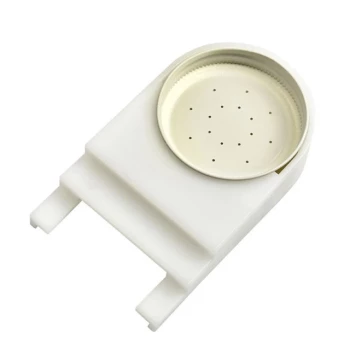
The use of 50% sucrose syrup combined with pollen supplements is a critical protocol for standardizing honeybee nutrition. This regimen provides a consistent, measurable source of essential carbohydrates and proteins, effectively replacing the variability of natural foraging. In controlled environments, this standardization is the only way to ensure that observed changes in bee health are due to specific experimental variables rather than malnutrition.
By eliminating the unpredictability of field foraging, standardized nutritional supplements allow researchers and beekeepers to objectively attribute biological outcomes—such as reduced lifespan—to specific factors like pesticide exposure rather than nutritional deficits.
The Role of Standardization in Research
Eliminating Nutritional Fluctuations
In natural environments, the quality and quantity of nectar and pollen vary wildly.
This variability introduces "noise" into data, making it difficult to determine colony health baselines.
Providing 50% sucrose syrup and pollen supplements creates a control baseline where nutritional input is constant and sufficient.
Isolating Cause and Effect
The primary value of this method in indoor cage experiments is the isolation of variables.
When nutrition is guaranteed, researchers can attribute negative outcomes, such as lifespan reduction, to the specific variable being tested.
For example, this protocol allows for the objective assessment of developmental toxicity caused by pesticide exposure.
Biological Mimicry and Colony Management
Simulating Natural Nectar
A 50% sucrose solution (a 1:1 weight-to-volume ratio) acts as a biomimetic nutritional medium.
Its viscosity and energy concentration closely resemble natural nectar found in the wild.
This familiarity encourages natural feeding behaviors and ensures efficient uptake by the colony.
Stimulating Biological Rhythms
Simulating a natural nectar flow through precise feeding triggers specific colony behaviors.
It stimulates the queen to lay eggs and maintains the foraging drive of worker bees.
This is essential for building colony strength during periods when natural resources are unavailable.
Utility in Treatment and Support
Effective Delivery of Biological Agents
The 50% syrup mixture serves as an ideal carrier for therapeutic agents.
Biological agents, such as Metarhizium or Spinosad, achieve excellent dispersion and stability within this solution.
Because the medium mimics nectar, it utilizes the bees' feeding instincts to ensure the intended dosage is ingested orally.
Energy Compensation During Scarcity
During autumn or late winter, natural nectar is often scarce.
Supplements provide the necessary caloric energy to maintain colony life activities and thermoregulation.
This artificial compensation prevents starvation and supports the production of propolis envelopes or winter food stores.
Understanding the Trade-offs
The Risk of Enzymatic Inefficiency
While sucrose is generally safe, industrial substitutes like high-purity HFCS or glucose syrup carry risks.
If these syrups lack sufficient invertase assistance, bees cannot effectively break down the complex sugars.
This inability to utilize the feed can lead to starvation despite the presence of food.
Balancing Artificial vs. Natural Intake
Reliance on supplements requires careful monitoring of natural intake.
Tools like pollen traps are used to limit or measure the influx of natural pollen.
This ensures that the assessment of the artificial supplement's impact on brood area and bee weight remains accurate and unclouded by wild food sources.
Making the Right Choice for Your Goal
When deciding how to implement nutritional protocols, align your method with your specific objective:
- If your primary focus is experimental toxicity data: Rely on the 50% sucrose and pollen standard to strictly control variables and attribute lifespan changes to the chemical in question.
- If your primary focus is colony survival during winter: Use high-energy syrups to compensate for scarcity, but ensure the bees have the enzymatic capacity to process them to avoid starvation.
- If your primary focus is disease management: Utilize the 1:1 syrup ratio as a stable carrier to induce the oral ingestion of biological treatment agents.
Standardization in nutrition is the difference between anecdotal observation and rigorous, actionable science.
Summary Table:
| Nutritional Component | Purpose in Colony Management | Research Significance |
|---|---|---|
| 50% Sucrose Syrup | Mimics natural nectar; provides caloric energy for thermoregulation. | Creates a consistent baseline; acts as a stable carrier for biological agents. |
| Pollen Supplements | Supplies essential proteins for brood rearing and physical growth. | Eliminates nutritional variables; allows for objective toxicity assessment. |
| 1:1 Weight/Volume Ratio | Encourages natural feeding behaviors and efficient uptake. | Isolates cause and effect by removing the 'noise' of foraging variability. |
Scale Your Apiary Operations with HONESTBEE
Precision in nutrition is the foundation of a thriving commercial apiary. At HONESTBEE, we empower commercial beekeepers and distributors by providing the industrial-grade tools and machinery necessary to maintain these rigorous standards.
Whether you need specialized honey-filling machines for your harvest, hive-making equipment to expand your colony capacity, or a reliable wholesale supply of essential beekeeping tools and consumables, our comprehensive portfolio has you covered. We also offer honey-themed cultural merchandise to help you add value to your brand.
Partner with an industry leader to enhance your production efficiency.
Contact HONESTBEE Today to Discuss Wholesale Solutions
References
- Judy Y. Wu, Walter S. Sheppard. Sub-Lethal Effects of Pesticide Residues in Brood Comb on Worker Honey Bee (Apis mellifera) Development and Longevity. DOI: 10.1371/journal.pone.0014720
This article is also based on technical information from HonestBee Knowledge Base .
Related Products
- Professional Hive Front Entrance Bee Feeder
- Heavy-Duty Ergonomic Grip Galvanized Pollen Shovel
- Solar Beeswax Melter Easy Solar Wax Melter for Beeswax
- Professional Plastic Honey Dipper for Easy Honey Drizzling
- Precision Honey Refractometer Instrument for Quality Assessment
People Also Ask
- What types of bee feeders are available for beginners? Start with the Simple Entrance Feeder
- How does a bee entrance feeder work? A Simple Guide to Convenient Hive Feeding
- What is a bee entrance feeder and what are its drawbacks? Essential Guide to Hive Security and Feeding Efficiency
- How do you make an entrance feeder for bees? A Guide to Safe & Effective Hive Feeding
- How to make an entrance feeder for bees? A DIY Guide for Safe & Effective Feeding