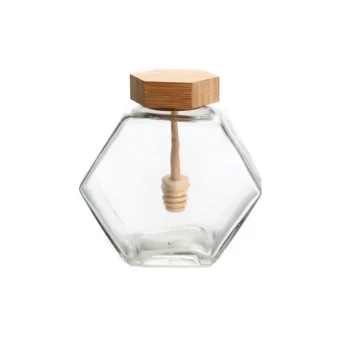
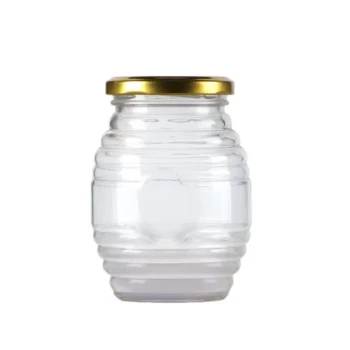
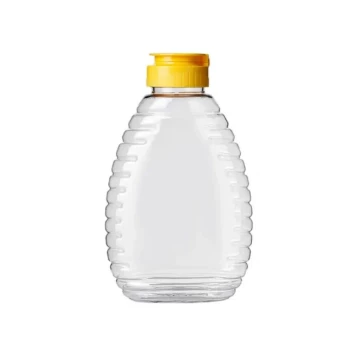
High-quality glass packaging acts as both a critical preservation system and a strategic value multiplier for export-grade honey. It provides an impermeable barrier against moisture and air to ensure biological stability, while simultaneously transforming bulk raw material into a premium consumer commodity capable of commanding significantly higher profit margins in international markets.
Core Takeaway The significance of premium glass packaging lies in its dual ability to arrest the physical degradation of honey—specifically preventing fermentation and aroma loss—while establishing the visual prestige and regulatory compliance necessary to compete in high-end retail sectors.
The Science of Preservation
The Moisture Barrier
Honey is naturally hygroscopic, meaning it readily absorbs moisture from the air.
High-quality glass offers superior sealing properties that effectively block external air and humidity.
By preventing moisture intrusion, glass containers stop the honey's water content from rising, which is the primary cause of fermentation and spoilage during long-term storage.
Chemical Stability and Aroma Retention
Export-grade honey is valued for its unique floral notes, but these aromatic substances are volatile and can easily dissipate.
Glass creates a chemically inert environment that prevents the volatilization of these aromatics.
Unlike some plastics, glass ensures no foreign odors penetrate the container and no chemical interactions occur, preserving the honey’s original flavor profile and natural color.
The Economics of Export
Visual Clarity and Market Value
High light transmittance is a defining feature of premium glass containers.
This transparency allows the natural color and texture of the honey to be fully displayed, acting as a visual proof of quality for the consumer.
This aesthetic appeal is essential for transforming honey from a generic agricultural product into a high-value "finished consumer product" with distinct brand attributes.
Meeting International Standards
Standardized, high-quality packaging is often a prerequisite for entering strict export markets.
Glass meets rigorous food safety and compliance requirements by providing a sanitary, non-reactive storage medium.
Using professional-grade materials signals adherence to safety standards, which is critical for clearing customs and building trust with international distributors.
Understanding the Trade-offs
While glass is superior for preservation and branding, it introduces logistical challenges that must be managed.
Weight and fragility are the primary downsides compared to plastic alternatives.
Glass significantly increases shipping weight, raising transportation costs, and requires robust secondary packaging to prevent breakage during long-distance transit.
However, for export-grade honey, the increase in profit margin and shelf-life generally outweighs these logistical costs.
Making the Right Choice for Your Goal
To maximize the potential of your export honey, align your packaging choice with your specific market strategy:
- If your primary focus is Product Longevity: Prioritize glass with superior sealing technology to ensure zero moisture ingress and prevent fermentation over long shipping durations.
- If your primary focus is Premium Branding: Select glass with maximum light transmittance and clarity to showcase the honey's texture and color as a luxury attribute.
Ultimately, investing in high-quality glass is not just a packaging expense; it is a fundamental requirement for protecting your product's integrity and securing its place in the high-value global market.
Summary Table:
| Feature | Benefit for Export-Grade Honey | Impact on Market Value |
|---|---|---|
| Impermeable Seal | Prevents moisture absorption and fermentation | Ensures long-term biological stability |
| Chemical Inertness | Preserves volatile aromas and prevents contamination | Maintains premium sensory profile |
| High Transmittance | Showcases natural color and texture | Enhances visual prestige and brand appeal |
| Regulatory Safety | Meets strict international food contact standards | Facilitates customs clearance and trust |
Elevate Your Honey Brand with HONESTBEE
At HONESTBEE, we understand that premium honey deserves world-class presentation and protection. We cater specifically to commercial apiaries and distributors, offering a comprehensive wholesale range of beekeeping tools, machinery, and equipment designed to scale your operations.
Whether you need advanced honey-filling machines to ensure precision in your glass packaging or specialized hardware to streamline production, our portfolio has you covered. Beyond machinery, we provide the essential consumables and honey-themed cultural merchandise needed to differentiate your brand in the global market.
Ready to transform your bulk honey into a high-margin export commodity?
Contact HONESTBEE Today to Discuss Your Wholesale Needs
References
- Ivan Svynous, Nadia Svynous. Development of cooperation as the basis of forming a product offer on the honey market in Ukraine. DOI: 10.35774/econa2023.02.265
This article is also based on technical information from HonestBee Knowledge Base .
Related Products
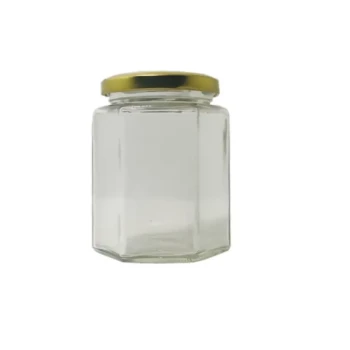
- Hexagonal Glass Honey Jars with Metal Lug Caps Elegant Versatile Packaging
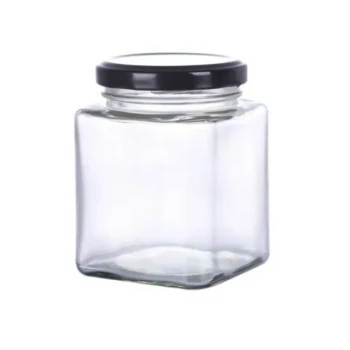
- Modern Square Glass Honey Jar with Twist Off Lid
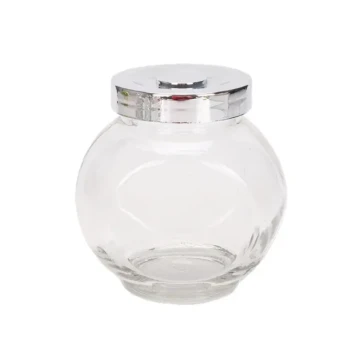
- Classic Drum Shaped Glass Honey Jar with Airtight Lid
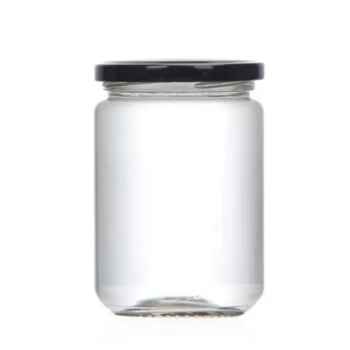
- Classic Round Glass Honey Jar with Lid
- Hexagonal Glass Honey Jar with Wooden Lid Integrated Dipper Elegant Functional Storage
People Also Ask
- What is the aesthetic appeal of using glass jars for honey? Elevate Your Brand with Premium Packaging
- What are the logistical challenges associated with using glass jars for honey packaging? Navigating Weight & Fragility
- What are the advantages of glass containers for honey? Elevate Quality and Market Value with Premium Packaging
- What are the technical advantages of using glass jars for honey? Master Commercial Packaging for Premium Purity
- What are the advantages of using glass jars for honey packaging? Preserve Purity & Elevate Your Brand