The significance of using sterile plastic bottles with airtight lids lies in creating a controlled micro-environment that isolates the sample from external variables immediately upon collection. This approach ensures the biological and chemical profile of the honey remains consistent with its state within the hive, which is a prerequisite for valid scientific analysis.
The core objective of this collection method is to lock in the sample's physicochemical state. by eliminating exposure to air and external microbes, you prevent fermentation and the degradation of sensitive bioactive compounds, ensuring that subsequent test data reflects the honey's true properties rather than handling artifacts.
Eliminating Environmental Contamination
Preventing Secondary Microbial Inoculation
The primary function of using sterile bottles is to establish a biological baseline. Stingless bee honey is naturally distinct, but introducing external bacteria or fungi from non-sterile containers causes "secondary contamination."
Using pre-sterilized containers ensures that any microbial activity detected during analysis is intrinsic to the honey itself. This is critical for the accuracy of subsequent antimicrobial testing data.
Managing High Water Content Risks
Stingless bee honey typically possesses a higher water content than standard Apis honey. This makes it significantly more susceptible to natural fermentation if exposed to environmental yeast or bacteria.
Sterile plastic packaging acts as an immediate barrier to these spoilage organisms. It extends the stability of the sample without requiring chemical preservatives that would alter the sample's composition.
Preserving Chemical Stability
Blocking Moisture Exchange
The airtight lid is essential for maintaining the sample's specific gravity and concentration. Without a hermetic seal, honey will interact with the ambient humidity.
This interaction leads to either moisture absorption (which accelerates fermentation) or evaporation (which artificially alters concentration). A sealed environment maintains the honey's original viscosity and moisture levels for accurate physicochemical profiling.
Protecting Unstable Bioactive Components
Bioactive markers in stingless bee honey, such as specific enzymes and antioxidants, are often chemically unstable. Continuous contact with fresh oxygen can degrade these components rapidly.
By cutting off the air supply, you preserve these physicochemical parameters. When combined with light-shielded storage, this method ensures that sensitive compounds remain detectable during laboratory pretreatment and analysis.
Ensuring Material Inertness
When referring to "plastic" in this context, high-grade materials like High-Density Polyethylene (HDPE) are preferred. These provide a chemically inert environment.
HDPE prevents reactions between the container and the natural organic acids found in the honey. This ensures the sample does not pick up chemical leachates that could skew sensitive analytical results.
Common Pitfalls to Avoid
The Risk of Low-Grade Plastics
Not all plastic bottles are suitable for scientific sampling. Lower-grade plastics may not offer a true gas barrier, allowing slow oxygen permeation over time which degrades antioxidants.
Incomplete Sterilization
Relying on "clean" rather than "sterile" containers is a common error. Physical sterilization of the bottle is necessary to guarantee that the container itself does not introduce the very microbes you are trying to test against.
Making the Right Choice for Your Goal
To ensure your sampling methodology yields publication-grade data, apply the following selection criteria:
- If your primary focus is Antimicrobial Assessment: Prioritize certified sterile containers to ensure that any inhibition zones observed are due to the honey, not external contaminants.
- If your primary focus is Physicochemical Profiling: Ensure the lids feature a high-quality gasket or seal to prevent any fluctuation in water content during transport.
Ultimately, the integrity of your data is defined by the quality of your containment; a compromised sample yields compromised results.
Summary Table:
| Feature | Significance for Honey Sampling | Impact on Results |
|---|---|---|
| Sterility | Prevents secondary microbial inoculation | Ensures accurate antimicrobial testing |
| Airtight Lid | Blocks moisture exchange & oxygen exposure | Maintains viscosity and prevents fermentation |
| HDPE Material | Provides chemical inertness | Prevents leachate contamination and acidity reactions |
| Gas Barrier | Protects unstable bioactive compounds | Preserves antioxidants and enzyme activity |
Elevate Your Beekeeping Operation with HONESTBEE
Are you looking to scale your honey production or scientific sampling capabilities? HONESTBEE specializes in supporting commercial apiaries and distributors with premium wholesale solutions.
We provide a comprehensive range of professional-grade beekeeping tools, specialized machinery, and essential consumables designed for precision and durability. From automated honey-filling machines to high-quality storage hardware and unique honey-themed merchandise, we deliver the tools you need to maintain product integrity and brand excellence.
Partner with HONESTBEE today to optimize your workflow and secure your supply chain.
References
- Thaisa Francielle Toposlki Pavan Batiston, Denise Nunes Araújo. Physicochemical composition and antimicrobial potential of stingless honey: a food of differentiated quality. DOI: 10.33448/rsd-v9i10.8223
This article is also based on technical information from HonestBee Knowledge Base .
Related Products
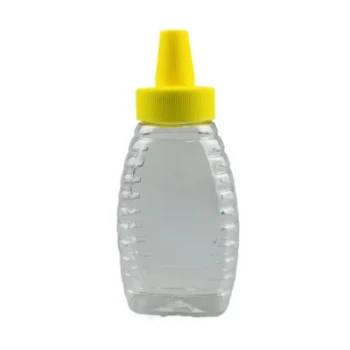
- Classic Beehive Honey Bottle Jar with Squeeze Dispenser Lid
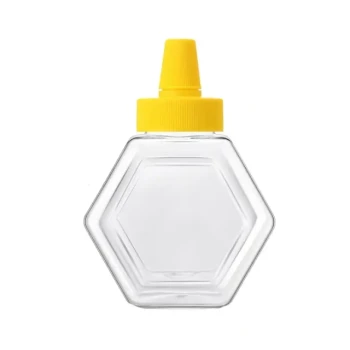
- Hexagonal Squeeze Honey Bottle with No Drip Lid
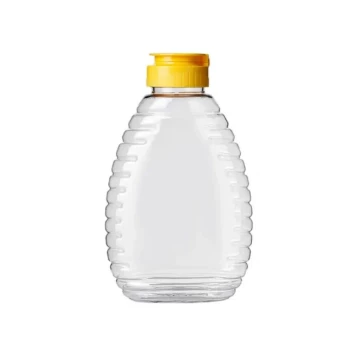
- Squeezable No-Drip Beehive-Shaped Honey Jars with Flip-Top Cap
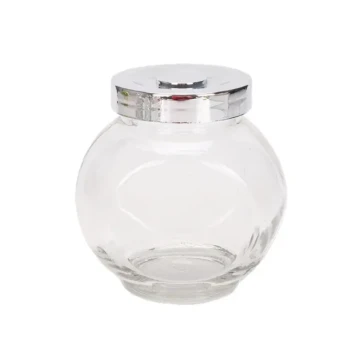
- Classic Drum Shaped Glass Honey Jar with Airtight Lid
People Also Ask
- Why use high-quality honey jars? Protect Your Harvest with Superior Plastic & Glass Packaging Solutions
- What are the benefits of squeeze bottles for honey packaging? Unlock Mess-Free Convenience & Control
- How should honey bottles be prepared before pouring honey into them? The #1 Rule for Honey Longevity
- What are the features of honey bottles? Design for Convenience & Long-Term Preservation
- What are the features and benefits of using honey bottles for packaging? Optimize Preservation and Consumer Experience