In high-intensity commercial pollination, queen excluders and multi-layer supers are technical necessities for managing biological segregation and volume capacity. Queen excluders mechanically confine the queen to the lower brood chamber to prevent egg-laying in resource stores, while multi-layer supers provide the vertical expansion required to support massive colonies exceeding 30,000 individuals.
By effectively separating brood rearing from resource storage, this configuration supports the colony health and operational efficiency required for industrial-scale pollination.
The Role of Queen Excluders
Mechanical Biological Segregation
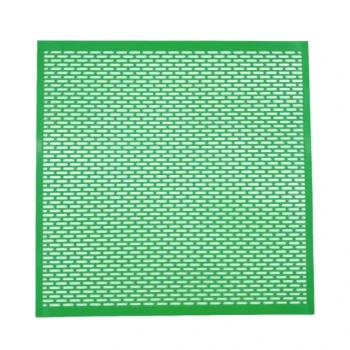
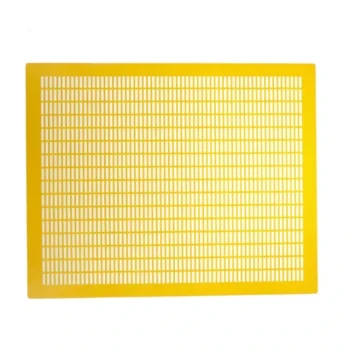
The primary function of a queen excluder is to act as a physical barrier restricted to the specific body size of the queen bee.
By placing this device above the brood chamber, the queen is confined to the lower level. This ensures that her egg-laying activities are strictly limited to the designated brood zone.
Maintaining Resource Purity
In high-intensity operations, mixing brood (larvae) with food stores creates significant extraction and management issues.
The excluder prevents the queen from accessing the upper sections, thereby keeping these areas free of eggs and larvae. This guarantees the purity of honey and pollen storage in the upper supers.
The Necessity of Multi-Layer Supers
Accommodating Massive Populations
Commercial pollination hives are driven to reach peak population densities to maximize efficiency.
These colonies frequently grow to exceed 30,000 individuals. A standard single-box configuration cannot physically house this volume of bees without inducing swarming or overheating.
Expansion for Resource Collection
Multi-layer supers provide the necessary vertical volume for the colony to expand its operations.
This added space is critical for high-volume resource collection, allowing workers to store the massive influx of nectar and pollen generated during intense pollination events.
Enabling Data Monitoring
Modern commercial beekeeping often relies on data to assess hive performance.
The multi-layer configuration segregates the hive into functional zones. This structure facilitates accurate data monitoring by keeping population clusters and resource stores in predictable locations.
Operational Considerations and Trade-offs
Balancing Restriction with Flow
While queen excluders are essential for purity, they introduce a physical barrier within the hive.
Operators must ensure that the excluder does not impede the movement of worker bees carrying resources to the upper supers. If the barrier becomes clogged or restricted, it can hinder the efficiency of resource collection.
Managing Colony Health
The use of multi-layer supers requires careful timing regarding colony strength.
Adding expansion space too early can disperse the colony's heat, potentially affecting colony health. Conversely, failing to add supers to a colony exceeding 30,000 bees will lead to overcrowding and resource bottlenecks.
Making the Right Choice for Your Operation
For commercial operators, the configuration of the hive must align with the specific operational goals of the pollination contract.
- If your primary focus is resource quality: Prioritize queen excluders to rigorously separate brood rearing from honey and pollen storage areas.
- If your primary focus is colony size: Utilize multi-layer supers to ensure sufficient capacity for populations exceeding 30,000 bees.
Ultimately, the technical integration of both components is required to maintain the sanitary and spatial standards of high-intensity commercial pollination.
Summary Table:
| Component | Technical Function | Primary Benefit |
|---|---|---|
| Queen Excluder | Mechanical biological segregation | Prevents egg-laying in resource supers; ensures honey purity. |
| Multi-layer Supers | Vertical volume expansion | Accommodates 30,000+ bees; prevents swarming and overheating. |
| Brood Chamber | Confined queen activity zone | Concentrates larval development for easier hive management. |
| Upper Supers | High-volume storage zones | Facilitates massive nectar and pollen collection during pollination. |
Elevate Your Beekeeping Operation with HONESTBEE
To succeed in high-intensity commercial pollination, you need equipment that can handle massive colonies and rigorous standards. HONESTBEE specializes in serving commercial apiaries and distributors with premium wholesale solutions.
From durable queen excluders and precision-engineered multi-layer supers to industrial-grade honey-filling machines and hive-making hardware, we provide the full spectrum of tools and consumables required for your success. Our comprehensive portfolio is designed to enhance your operational efficiency and maximize honey purity.
Ready to scale your production? Contact us today to learn how our wholesale equipment can optimize your commercial pollination workflow.
References
- Ryan J. Warren, Geoff R. Allen. Impact of isolated and unattractive crops on honeybee foraging: A case study using radio frequency identification and hybrid carrot seed crops. DOI: 10.1111/afe.12609
This article is also based on technical information from HonestBee Knowledge Base .
Related Products
- High Performance Plastic Queen Excluder for Beekeeping and Apiary Management
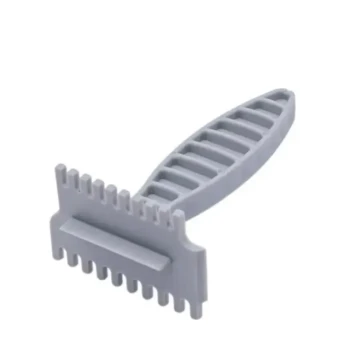
- Lightweight Durable Plastic Queen Excluder Scraper for Beekeeping
- Premium Wood Framed Metal Wire Queen Bee Excluder
- Professional Plastic Queen Excluder for Modern Beekeeping
- Metal Queen Bee Excluder for Beekeeping
People Also Ask
- What are the characteristics of a plastic queen excluder? Key Benefits for Cost-Effective Beekeeping
- What are the operational and cost advantages of using plastic queen excluders over metal or wire excluders in commercial hive management? Discover how they reduce labor, prevent wing damage, and lower total costs.
- What types of queen excluders are available for beekeepers? Choose the Right Tool for Your Hive
- Why are standardized hive frames and queen excluders essential for maintaining honey purity and quality? Scale Your Purity
- Do plastic queen excluders work? A Cost-Effective Solution for Modern Apiaries