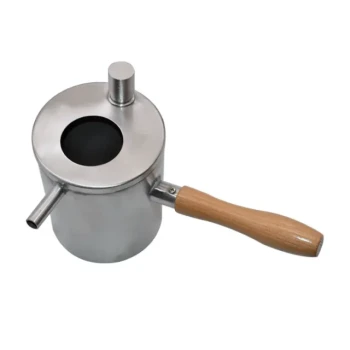
Maintaining internal beeswax cycles creates a closed biological loop that serves as the primary defense against external chemical contamination in an apiary. Technically, this establishes a barrier against the introduction of commercial foundations, which frequently harbor pesticide residues or synthetic additives. By recycling high-purity wax produced exclusively within the apiary, beekeepers secure the chemical integrity of the colony's core ecological niche.
The central technical value of internal beeswax cycling is the creation of a chemically inert physical foundation. This isolation from the industrial wax supply chain is the single most critical factor in producing residue-free, high-end honey.
Establishing a Chemically Inert Environment
Eliminating Vector Transmission
The primary technical significance of this practice is the elimination of external vectors for contamination. Commercial wax foundations are a common entry point for foreign chemicals.
By restricting the hive infrastructure to wax produced on-site, you prevent the accumulation of agricultural pesticides and synthetic additives often found in aggregated commercial wax supplies.
Defining the Ecological Niche
A honeybee colony relies on the comb not just for storage, but as its physical home. Internal cycling protects this core ecological niche.
Ensuring the wax is free from external pollutants allows the colony to function in a natural, unadulterated state, reducing physiological stress on the bees caused by chemical exposure.
The Foundation of High-End Production
Achieving Zero-Residue Standards
For the production of high-end honey, the purity of the comb is non-negotiable. Honey is lipophilic and can absorb contaminants from the surrounding wax.
Using internally cycled, high-purity beeswax provides a clean physical foundation. This ensures that the final honey product remains residue-free, meeting strict ecological standards.
Resource Maximization
From a technical production standpoint, this approach transforms a byproduct into a primary asset.
Rather than treating old comb as waste—a common practice in settings lacking proper tools—internal cycling recovers this material, maximizing the economic utilization of all hive resources.
Technical Execution and Trade-offs
The Requirement for Precision Processing
Effective cycling is not merely melting wax; it requires precise temperature control and multi-stage filtration.
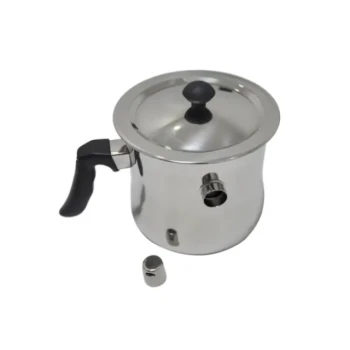
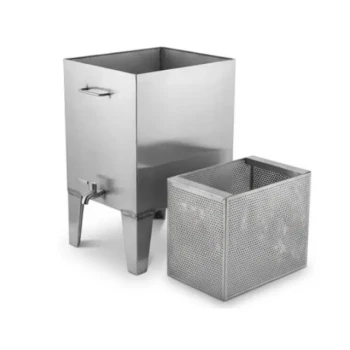
To extract high-purity beeswax from old combs, specialized processing equipment is necessary. This machinery ensures the separation of impurities without degrading the chemical structure of the wax.
Understanding the Operational Demands
While ecologically superior, this approach introduces operational complexity. The "trade-off" is the shift from a consumption model (buying foundation) to a processing model.
Beekeepers must invest in professional processing machinery and filtration consumables. Without this investment, valuable wax is often discarded due to the difficulty of manual extraction, resulting in a loss of potential high-value commodities.
Making the Right Choice for Your Goal
To implement internal beeswax cycles effectively, assess your primary operational objectives:
- If your primary focus is Ecological Purity: Prioritize the exclusion of all commercial foundation to guarantee a chemically inert environment for the colony.
- If your primary focus is Economic Efficiency: Invest in specialized processing equipment to transform waste comb into high-value wax commodities, reducing material costs.
Control the wax, and you control the chemical destiny of your hive.
Summary Table:
| Technical Feature | Significance in Ecological Beekeeping | Benefit for the Apiary |
|---|---|---|
| Closed Biological Loop | Prevents external pesticide and synthetic additive entry | Ensures a chemically inert physical foundation |
| Ecological Niche Protection | Maintains the chemical integrity of the colony's home | Reduces physiological stress on bees from pollutants |
| Zero-Residue Standards | Eliminates lipophilic absorption of wax contaminants | Guarantees high-purity, premium honey production |
| Material Recovery | Transforms old comb into a primary asset via filtration | Maximizes resource utilization and economic value |
Elevate Your Honey Quality with Professional Wax Management
Maintaining a closed beeswax cycle is the gold standard for high-end honey production, but it requires the right tools to execute effectively. HONESTBEE empowers commercial apiaries and distributors with the precision machinery needed to turn raw hive resources into premium assets.
Whether you are looking for high-efficiency wax processing machines, honey-filling equipment, or specialized hive-making hardware, our comprehensive wholesale portfolio is designed to help you maintain ecological purity while maximizing operational efficiency.
Ready to secure your hive's chemical destiny? Contact us today to discover how our professional beekeeping equipment and industrial consumables can transform your apiary's productivity.
References
- Stephan Lorenz. The endangerment of bees and new developments in beekeeping: a social science perspective using the example of Germany. DOI: 10.1080/00207233.2016.1220703
This article is also based on technical information from HonestBee Knowledge Base .
Related Products
- Beeswax Foundation Sheets Beehive Foundation for Wholesale
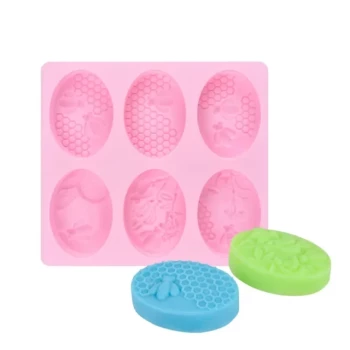
- Colorful Silicone Beeswax Foundation Mold Mould for Beekeeping
- Economy Manual Beeswax Embossing Mill Wax Foundation Machine Roller
- Beeswax Melter for Candle Making Honey Bee Wax Melter
- Electric Beeswax Flat Sheet Machine with Operating Tray for Wax Processing
People Also Ask
- What are the technical advantages of beeswax foundations and feeding tools? Optimize Your Bee Breeding Phase
- Why is the regular exchange and replacement of beeswax foundations encouraged? Boost Honey Yield & Hive Biosafety
- What are the negative consequences of using old or contaminated beeswax in foundations? Protect Your Hive Today
- Why is high-purity natural beeswax essential for foundations? Prevent Larval Mortality & Boost Colony Health
- What are the specific advantages of regular comb replacement? Boost Hive Health with New Beeswax Foundations