The trade-off between beekeeping glove thickness and dexterity is a direct exchange of physical safety for manual precision. Thicker materials, such as heavy leather, provide an almost impenetrable barrier against stings but significantly dull tactile feedback, making it clumsy to handle frames and tools. Conversely, thinner gloves, such as nitrile, offer superior dexterity and touch sensitivity, but they increase the risk of a stinger penetrating the material.
Core Takeaway While thick gloves offer maximum sting immunity, they can inadvertently increase danger by causing clumsy handling that agitates the hive. The ideal glove finds a "middle ground" where you feel protected enough to remain calm, yet sensitive enough to handle bees without crushing them.
The Spectrum of Protection
The Argument for Thickness
Gloves made from heavy-duty materials like thick leather or canvas prioritize operator confidence. The primary benefit is that these materials are essentially sting-proof.
For a nervous beekeeper or one managing an aggressive hive, this impenetrable layer is vital. It eliminates the fear of pain, allowing the beekeeper to remain calm, which in turn helps keep the colony calm.
The Advantage of Sensitivity
On the other end of the spectrum are thin, flexible options like nitrile gloves. These provide a snug fit that mimics the dexterity of bare hands.
High dexterity allows for precise movements, enabling you to manipulate frames and hive tools efficiently. The ability to "feel" what you are doing is critical for avoiding accidental harm to the bees or the queen during inspections.
The Hidden Factor: Fit and Design
Why Fit Equals Function
The primary reference highlights that fit is just as critical as thickness. A thick glove that fits poorly is the worst of both worlds: it offers protection but creates excessive clumsiness.
Loose fabric or leather can get caught in hive components or trap bees in folds. A glove must be snug enough to move with your fingers, regardless of the material's weight.
The Role of Grip
Dexterity is not just about thinness; it is about control. Some gloves incorporate textured fingertips or palms to compensate for the loss of touch sensitivity.
Enhanced grip reduces the likelihood of dropping frames, a common mistake that can startle the hive and trigger a defensive reaction.
Understanding the Trade-offs
The "Clumsy Giant" Problem
The most significant downside of thick gloves is the loss of tactile feedback. When you cannot feel the bees under your fingertips, you risk accidentally crushing them while moving frames.
Crushing bees releases alarm pheromones, which can quickly turn a docile hive into an aggressive one. Ironically, the gloves you wear to avoid stings can sometimes provoke the bees into stinging more.
The Vulnerabilities of Ventilation
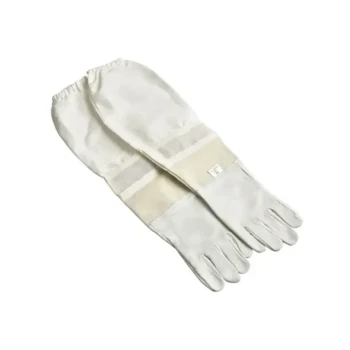
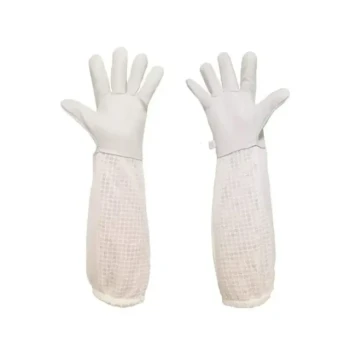
Many beekeepers opt for ventilated gloves to combat heat, utilizing a mesh panel near the wrist. While this increases comfort in hot climates, it introduces a specific weakness.
You must accept that the mesh area is not sting-proof. While the leather fingers protect the hands, the wrist area becomes a target, offering less security than a fully enclosed leather or canvas gauntlet.
Making the Right Choice for Your Goal
The "best" glove is relative to your experience level and the specific task at hand.
- If your primary focus is maximum safety or managing aggression: Choose thick leather gloves with gauntlets to ensure an impenetrable barrier, accepting that you must move slowly to avoid clumsiness.
- If your primary focus is precision and hive health: Choose form-fitting nitrile gloves to maximize tactile feedback, reducing the risk of crushing bees while accepting a slight risk of stings.
- If your primary focus is climate comfort: Choose ventilated gloves with leather hands, balancing airflow with finger protection, but remain aware of the vulnerable mesh areas.
True expertise often involves having multiple pairs, swapping them based on the temperament of the hive you are inspecting that day.
Summary Table:
| Glove Type | Material | Protection Level | Dexterity | Best Use Case |
|---|---|---|---|---|
| Heavy Duty | Thick Leather / Canvas | Maximum (Sting-proof) | Low | Aggressive hives / Beginners |
| Precision | Nitrile / Thin Latex | Low (Puncture risk) | High | Queen marking / Precise inspections |
| Ventilated | Leather with Mesh | Moderate | Medium | Hot climates / Long work sessions |
| Mid-Range | Goatskin Leather | High | Moderate | General beekeeping / Commercial use |
Elevate Your Beekeeping Operations with HONESTBEE
Finding the perfect balance between protection and precision is essential for professional beekeepers and distributors alike. HONESTBEE specializes in providing high-quality beekeeping tools, machinery, and essential consumables designed for the rigors of commercial apiaries.
From durable, professional-grade gloves to advanced hive-making and honey-filling machinery, our comprehensive wholesale portfolio is built to scale your business and protect your bees.
Ready to upgrade your equipment? Contact us today to discuss our wholesale offerings and discover how we can streamline your honey production and hive management.
Related Products
- Beekeeping Gloves Goatskin Leather with Long Cotton Sleeve for Beekeepers
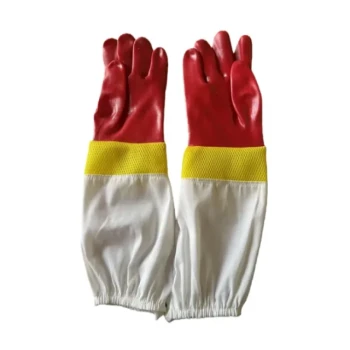
- Heavy Duty Red Rubber Beekeeping Gloves with Vented Mesh Cotton Sleeves
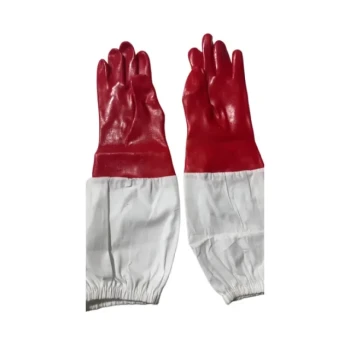
- Heavy Duty Red Rubber Beekeeping Gloves with Extended Pure Cotton Sleeves for Beekeepers
- Goatskin Leather Beekeeper Gloves with Vent Long Sleeve for Beekeeping Honey Bee Sting Proof Protection
- Premium Ventilated Goatskin Beekeeping Gloves with Full 3-Layer Mesh Sleeve
People Also Ask
- What are the characteristics of the best gloves for beekeeping? Choose Protection & Dexterity
- What are the primary purposes of using beekeeping gloves? Protect Your Hands and Ensure Apiary Hygiene
- What types of gloves are available for beekeeping? Choose the Right Protection for Your Hive
- Why is it important for beekeepers to wear gloves? Essential Safety and Confidence for Hive Management
- Why do some experienced beekeepers opt not to wear gloves? Discover the Benefits of Tactile Precision