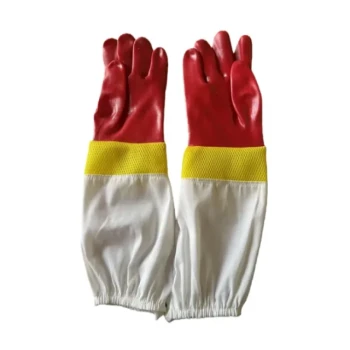
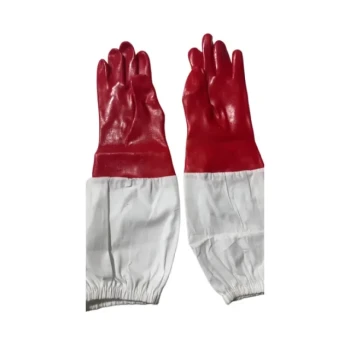
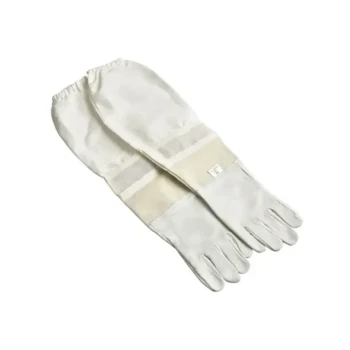
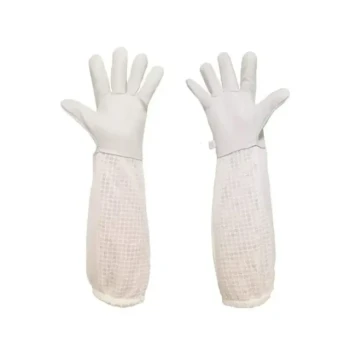
Beginner beekeepers must prioritize high-quality gloves made of thick, durable materials. For those new to the hive, the primary goal is safety; therefore, materials like leather or heavy canvas are the superior choice. You should explicitly avoid inexpensive, thin cotton gloves, as they provide inadequate protection and leave you vulnerable to stings.
Core Takeaway Confidence is the most critical tool for a novice beekeeper, and it starts with feeling secure. By investing in heavy-duty, sting-resistant gloves initially, you remove the fear of injury, allowing you to focus entirely on learning bee behavior and proper hive management.
Prioritizing Material and Safety
For the novice, the margin for error is small. Your equipment acts as a necessary barrier while you learn to read the colony's temperament.
The Standard: Leather and Canvas
The most reliable options for beginners are gloves constructed from thick leather or durable canvas.
These materials are difficult for a bee's stinger to penetrate.
They provide the highest level of physical security, which is essential when you are learning how to handle frames without agitating the bees.
What to Avoid
Do not rely on thin cotton gloves.
While they may be inexpensive, they offer virtually no protection against stings.
Using inadequate gear can lead to painful experiences that may hurt your confidence and increase your anxiety during future hive inspections.
Understanding the Trade-offs
While protection is paramount, glove selection involves balancing safety with the ability to work effectively.
Protection vs. Dexterity
Thick gloves offer excellent armor, but they significantly reduce tactile sensitivity.
When wearing heavy leather, it can be difficult to feel the pressure you are applying to the bees or the hive components.
This lack of "feel" can occasionally lead to clumsiness, such as accidentally squashing a bee, which releases alarm pheromones and agitates the colony.
The Form-Fitting Alternative
Some beekeepers utilize form-fitting gloves, such as those used for lab work or household chores (nitrile or latex).
These provide superior dexterity and keep hands free of sticky honey and propolis.
However, they offer significantly less sting protection than leather; beginners should approach this option with caution until they understand bee behavior better.
The Evolution of Protective Gear
Your equipment needs will change as your skills develop. Beekeeping is a progressive learning experience.
The "Full Armor" Phase
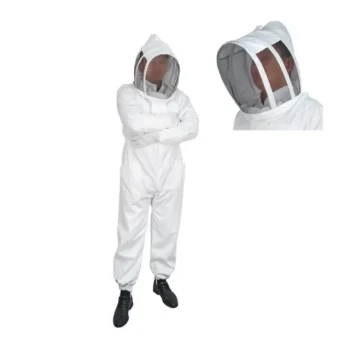
When starting out, it is advisable to wear all available protection.
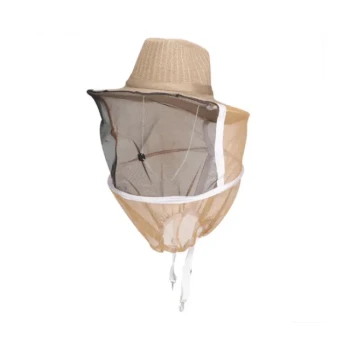
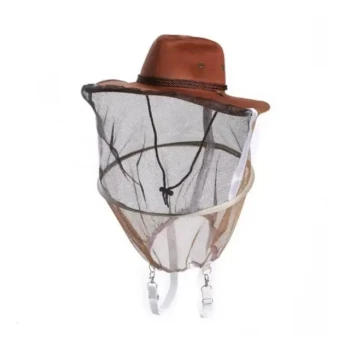
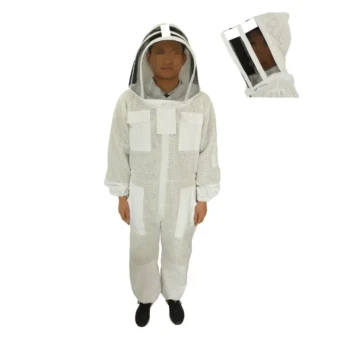
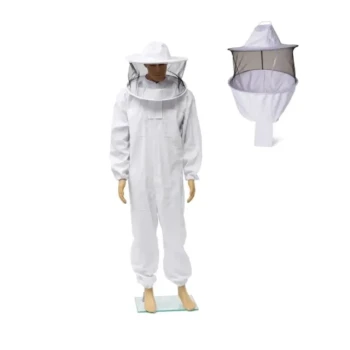
This includes a full bee suit (preferably ventilated for comfort), a veil, and your heavy-duty gloves.
This comprehensive barrier helps you remain calm, preventing the panic that can trigger aggressive bee behavior.
Transitioning as Skills Improve
As you gain proficiency, you will develop a "feel" for your bees and learn what actions disturb them.
Experienced beekeepers often transition to thinner gloves or even go glove-less to increase precision.
Make this transition only when your personal comfort level and knowledge of bee behavior support it.
Making the Right Choice for Your Goal
Select your gear based on your current psychological and technical needs.
- If your primary focus is eliminating fear: Choose heavy-duty leather or canvas gloves to maximize sting prevention and confidence.
- If your primary focus is hygiene and dexterity: Consider form-fitting nitrile gloves, acknowledging that you are trading some sting protection for better tactile feedback and cleanliness.
- If your primary focus is budget: Prioritize spending on protective gear (gloves and veil) over accessories, avoiding cheap cotton alternatives that will likely fail you.
Start with the highest level of protection to build the competence that eventually makes heavy armor unnecessary.
Summary Table:
| Glove Material | Protection Level | Dexterity | Best For |
|---|---|---|---|
| Leather/Canvas | High (Sting-proof) | Low | Beginners & Aggressive Hives |
| Form-fitting Nitrile | Low | High | Experienced Keepers & Hygiene |
| Thin Cotton | Very Low | Moderate | Not Recommended for Beekeeping |
Secure Your Apiary with Premium Gear from HONESTBEE
As a commercial apiary or distributor, providing the right protection is the first step toward beekeeping success. HONESTBEE specializes in the wholesale supply of professional-grade beekeeping tools and safety equipment. From heavy-duty protective gloves to advanced hive-making and honey-filling machinery, we offer the comprehensive portfolio you need to serve your customers or scale your operations.
Partner with HONESTBEE today for high-quality beekeeping consumables and specialized hardware.
Contact Us to Discuss Wholesale Opportunities
Related Products
- Beekeeping Gloves Goatskin Leather with Long Cotton Sleeve for Beekeepers
- Heavy Duty Red Rubber Beekeeping Gloves with Vented Mesh Cotton Sleeves
- Heavy Duty Red Rubber Beekeeping Gloves with Extended Pure Cotton Sleeves for Beekeepers
- Goatskin Leather Beekeeper Gloves with Vent Long Sleeve for Beekeeping Honey Bee Sting Proof Protection
- Premium Ventilated Goatskin Beekeeping Gloves with Full 3-Layer Mesh Sleeve
People Also Ask
- What are the characteristics of the best gloves for beekeeping? Choose Protection & Dexterity
- What are the primary purposes of using beekeeping gloves? Protect Your Hands and Ensure Apiary Hygiene
- What types of gloves are available for beekeeping? Choose the Right Protection for Your Hive
- Why is it important for beekeepers to wear gloves? Essential Safety and Confidence for Hive Management
- Why do some experienced beekeepers opt not to wear gloves? Discover the Benefits of Tactile Precision