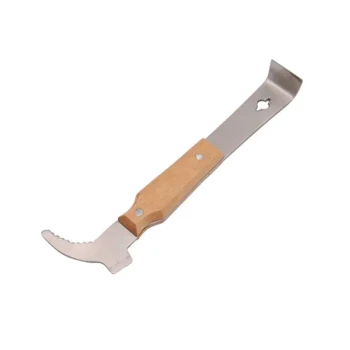
Winter offers a crucial window of opportunity for apiary management. While bee activity is minimal, you must shift your focus to inspecting tools and machinery for necessary repairs or replacement, and building or painting new woodenware to ensure readiness for the spring season.
Core Takeaway The "off-season" is effectively the preparation season. Success in the spring relies on using the winter months to audit existing tools, construct surplus hives for potential swarms, and strictly manage storage conditions to prevent pest damage.
Auditing and Repairing Essential Gear
The downtime in November and December is the most effective period for a comprehensive equipment audit. Because outdoor work with the bees is restricted, your attention should turn to the physical infrastructure of your operation.
Inspecting Tools and Machinery
Thoroughly examine all beekeeping tools and machinery. Look for signs of wear and tear that could compromise their function during the busy season. Identify items that require repair and separate those that need total replacement.
Restoring Woodenware
Wooden hive components take a beating during the active season. Check your existing stock of woodenware for structural integrity. Perform necessary repairs now, including painting hives, to ensure they are dry and fume-free long before the bees inhabit them.
Preparing for Spring Expansion
Proactive beekeepers do not wait until spring to assemble equipment. You must anticipate the biological needs of the colony before the season changes.
Constructing New Hives
Use the winter months to build and paint new hives. Having these ready in advance is critical for housing new package bees or capturing swarms.
Ensuring Surplus Availability
A common failure point in spring is lacking equipment when a colony expands rapidly. You must maintain a surplus of ready-to-use hives and supers. This preparation ensures you can immediately manage swarms or expand apiary operations without delay.
Securing Supply Orders
This is the correct time to finalize logistics for the coming year. Place orders for package bees and any specialized hardware now to guarantee availability when the season starts.
Common Pitfalls: Storage and Protection
Proper maintenance is futile if the equipment is ruined during storage. You must actively manage the environment where your gear is kept.
Controlling the Environment
Store beekeeping frames and equipment in a clean, dust-free environment. Avoid areas with extreme temperature fluctuations or high humidity. Moisture and strong odors are detrimental to equipment integrity and must be mitigated.
Defending Against Pests
Stored wax frames are highly attractive to pests, specifically mice and wax moths. Simply stacking them in a shed is often insufficient. Using sealed bins is an effective method to protect these assets from infestation.
Managing Active Hives
For hives that remain outdoors with active colonies, preparation begins in October. You must install mouse guards at hive entrances and verify the apiary has proper ventilation and moisture control to ensure colony survival.
Making the Right Choice for Your Goal
Your winter maintenance schedule dictates your capacity for the upcoming year.
- If your primary focus is maintaining current stock: Prioritize the deep cleaning of tools and the structural repair of existing woodenware to extend their lifespan.
- If your primary focus is apiary growth: Dedicate the majority of your time to building and painting new hive bodies to accommodate spring swarms and package bees.
By treating the winter months as a period of active preparation rather than dormancy, you ensure your apiary is ready to thrive the moment the first blooms appear.
Summary Table:
| Winter Maintenance Task | Key Action Items | Target Benefit |
|---|---|---|
| Equipment Audit | Inspect tools & machinery for wear; repair or replace | Ensures operational readiness & safety |
| Woodenware Care | Repair, build, and paint new hives/supers | Prevents spring shortages & houses swarms |
| Storage Management | Use sealed bins; maintain dust-free, dry environment | Prevents damage from wax moths & mice |
| Supply Logistics | Order package bees and specialized hardware | Guarantees availability for peak season |
| Active Hive Prep | Install mouse guards; verify ventilation/moisture control | Maximizes colony survival rates |
Maximize Your Apiary Productivity with HONESTBEE
Don't let the spring rush catch you unprepared. At HONESTBEE, we specialize in supporting commercial apiaries and distributors with high-quality, wholesale-ready solutions designed for durability. From specialized hive-making and honey-filling machinery to essential consumables and beekeeping tools, we provide everything you need to scale your operations.
Whether you are repairing your current infrastructure or expanding your fleet of hives, our comprehensive portfolio ensures your business remains efficient and profitable.
Ready to upgrade your equipment for the upcoming season?
Contact HONESTBEE Today to discuss our wholesale offerings and how we can support your apiary’s growth.
Related Products
- HONESTBEE 15-in-1 Beekeeper Multi-Tool with Hammer and Pliers for Beekeeping
- Stainless Steel J Hook Hive Tool for Beekeeping
- Stainless Steel Queen Grafting Tool for Beekeeping and Bee Queen Grafting
- Multi-Function Plier-Style Frame Grip Hive Tool
- HONESTBEE Professional Mini J-Hook Hive Tool for Beekeeping
People Also Ask
- What is the recommended method for storing beekeeping tools? Expert Vertical Storage Solutions for Your Apiary
- Why is the treatment of beekeeping tools with high-concentration chemical disinfectants necessary for preventing AFB?
- How does a favorable microclimate interact with beekeeping tools? Boost Overwintering Success and Equipment Longevity
- How does the stable local supply of beekeeping tools affect technology adoption? Building Sustainable Apiaries
- Why design beekeeping tools with ergonomics in mind? Empowering All Beekeepers with Inclusive Equipment