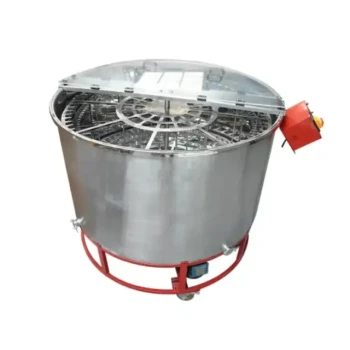
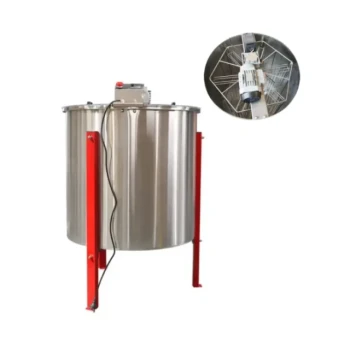
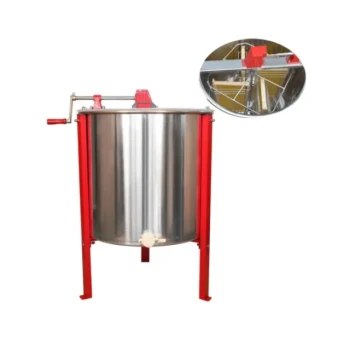
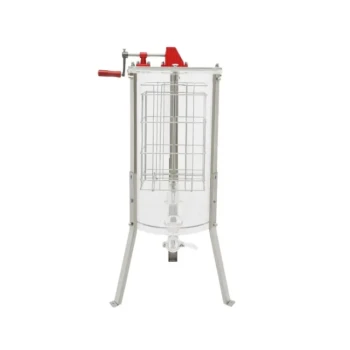
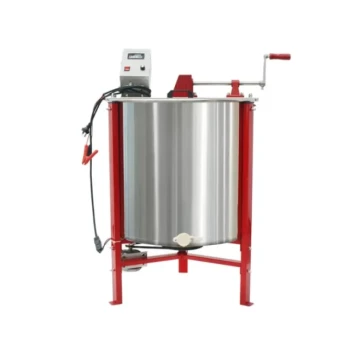
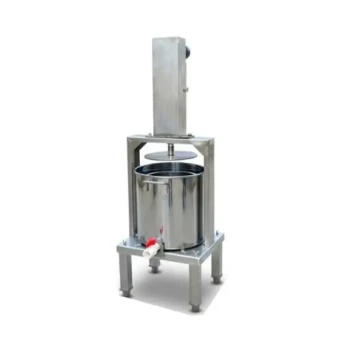
Regular maintenance inspections are critical for ensuring your honey extractor operates smoothly and produces sanitary honey year after year. To maintain the unit, you should primarily verify the condition of the gearbox and bearings, check the honey gate and its pivot screw for proper function, and ensure the unit is thoroughly cleaned; note that most modern extractors do not require the addition of grease or oil.
Core Takeaway While mechanical checks on the gearbox and bearings are necessary, the most common maintenance oversight involves the honey gate pivot screw. Furthermore, unlike many other mechanical devices, most honey extractors are designed to run without added lubrication to prevent contamination.
Critical Mechanical Checks
Inspecting the Gearbox and Bearings
The primary mechanical components of your extractor are the gearbox and the bearings. You must regularly inspect these to ensure they are in good working condition.
Listen for grinding noises or resistance during rotation, which may indicate wear. If these components fail, the extractor cannot spin the frames effectively.
The Honey Gate and Pivot Screw
The honey gate is a frequent point of failure. You must specifically check the pivot screw on the gate mechanism.
Ensure the screw is tight enough to create a seal but loose enough to allow the gate to open smoothly. A loose or damaged pivot screw is a common problem area that leads to messy leaks.
The Rule on Lubrication
It is a common misconception that the moving parts require frequent oiling. Most extractor units do not require lubrication with grease or oil.
Adding unapproved lubricants can attract debris or, worse, contaminate the honey. Always refer to your specific model's manual before applying any substance to the mechanism.
Hygiene and Preservation
Cleaning Protocols
Maintenance extends beyond mechanics to hygiene. After every use, you must disassemble the equipment and wash all parts with warm soapy water.
This step is non-negotiable to prevent the growth of bacteria and mold. Leftover wax or honey residue can degrade the machine and spoil future harvests.
Proper Storage
Rust is the enemy of your extractor's longevity. Store the unit in a dry, cool, and clean area.
Even stainless steel units should be kept away from excessive moisture during the off-season to ensure the components remain pristine.
Operational Pitfalls to Avoid
The Dangers of Imbalanced Loads
One of the fastest ways to damage your extractor's legs and bearings is improper loading. You must always load frames in a balanced manner.
An unbalanced load creates excessive vibration. This stress can warp the stainless steel legs or damage the central shaft over time.
Ignoring Stabilization
The stability of the unit during operation is a form of preventative maintenance. Ensure the legs are sturdy; thick stainless steel legs are preferred for better stabilization.
If the unit "walks" or shakes violently during the spin cycle, stop immediately and rebalance the load to prevent structural failure.
Making the Right Choice for Your Goal
To get the most out of your equipment, align your maintenance habits with your specific objectives.
- If your primary focus is Equipment Longevity: Prioritize checking the gearbox and storing the unit in a dry environment to prevent rust and mechanical seizure.
- If your primary focus is Honey Quality: Focus relentlessly on disassembling and cleaning the unit after every use to prevent mold and bacterial contamination.
- If your primary focus is Leak Prevention: Regularly tighten and inspect the honey gate pivot screw, as this is the most common source of mechanical failure.
Treat your extractor with care during storage and operation, and it will serve your apiary for years to come.
Summary Table:
| Maintenance Type | Component | Key Action | Frequency |
|---|---|---|---|
| Mechanical | Gearbox & Bearings | Listen for grinding; check for rotation resistance | Before each season |
| Sealing | Honey Gate Pivot Screw | Adjust for a tight seal and smooth movement | Before & during harvest |
| Hygiene | Tank & Internal Parts | Disassemble and wash with warm soapy water | After every use |
| Stability | Legs & Central Shaft | Ensure balanced loads to prevent vibration | During every extraction |
| Preservation | Entire Unit | Store in a dry, cool area to prevent rust | Off-season |
Maximize Your Harvest Efficiency with HONESTBEE
High-quality honey starts with high-performance equipment. At HONESTBEE, we empower commercial apiaries and distributors by supplying durable honey-filling machines, specialized hive-making equipment, and a full spectrum of professional beekeeping tools.
Whether you need precision machinery or essential industry consumables, our comprehensive wholesale offerings are designed to keep your operations running flawlessly. Partner with the experts today—Contact HONESTBEE to discover how our tailored equipment solutions can elevate your honey production and business growth.
Related Products
- HONESTBEE 72 Frame Industrial Electric Honey Extractor for Beekeeping
- Commercial Electric 12 Frame Honey Extractor Spinner Motorized Honey Extractor
- HONESTBEE 3-Frame Manual Acrylic Honey Extractor
- electric honey extractor honey centrifuge 3 frame honey extractor stainless steel honey frame extractor
- HONESTBEE 6 Frame Self Reversing Electric Honey Extractor for Beekeeping
People Also Ask
- What is the importance of balancing honeycomb frames within a honey extractor? Ensure Stability and Protect Machinery
- How is honey separated from the frames after they are uncapped? Efficient Extraction Methods for High Yields
- What are the main benefits of using a honey extractor? Maximize Yields and Protect Your Honeycomb
- What are the recommended methods for removing honey from the honeycomb? Top Extraction Techniques for Maximum Efficiency
- How do manual honey extractors compare to electric honey extractors? Choosing the Right Tool for Your Apiary Growth