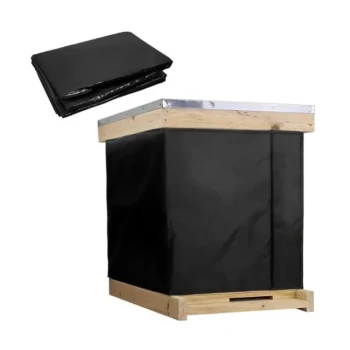
Effective beehive insulation requires a combined approach of physical barriers, entrance modification, and wind protection to maximize colony survival. You can insulate a hive by reducing entrance sizes to limit cold drafts, wrapping the exterior with protective materials, installing foam insulation boards, or positioning wind blocks such as hay bales around the apiary.
Core Takeaway: The goal of insulation is to reduce the honey consumption required for the colony to generate heat. However, insulation must never trap moisture; a hive that is warm but damp will kill bees faster than a hive that is cold and dry.
Primary Insulation Methods
Wrapping the Hive
Wrapping the hive provides a direct shield against wind and precipitation. You should apply wraps around the time of the first hard freeze. Materials should be secured firmly with heavy-duty tape, Velcro, or staples to withstand winter storms.
Using Tar Paper
Tar paper is a specific type of wrap that acts as an effective windbreak. Because it is dark-colored, it absorbs solar radiation on sunny days, providing passive heat to the colony. It is also generally more breathable than plastic, reducing the risk of moisture accumulation.
Installing Foam Boards
Foam insulation creates a barrier with low thermal conductivity. This significantly reduces heat loss, allowing the colony to maintain higher internal temperatures with less energy. This energy conservation preserves honey stores and can lead to increased brood rearing in the spring.
Entrance Reduction and Wind Blocks
Limiting the size of the hive entrance restricts the intake of freezing air. Additionally, placing external wind blocks—such as hay bales or fencing—around the apiary creates a buffer zone that reduces the wind chill factor on the hive structure itself.
The Critical Role of Ventilation
The Moisture Danger
Bees generate heat through metabolism, which produces moisture as a byproduct. If the hive is sealed too tightly with insulation, this warm, moist air condenses on cold inner surfaces and "rains" down on the cluster. Cold, wet bees cannot survive.
Ventilation Techniques
To prevent condensation, moist air must be allowed to escape. Common methods include using a quilt box (a box filled with absorbent material) on top, placing small sticks under the outer lid to create an air gap, or installing a shim with a small upper entrance.
Maintaining Airflow
You must ensure that the lower hive entrance remains unobstructed by insulation or snow. Small openings at both the top and bottom of the hive establish a chimney effect, allowing fresh air to circulate without stripping away all the heat.
Understanding the Trade-offs
Over-Insulation Risks
There is a distinct risk in "loving your bees to death." Excessive insulation without adequate ventilation leads to damp, stagnant air. This promotes the growth of mildew and disease, which can decimate a colony even if they stay warm.
Monitoring Requirements
Insulated hives require vigilance. Because you have altered the hive's natural airflow, you must check frequently to ensure moisture is not building up. If you see signs of dampness or mold, you must increase ventilation immediately.
Making the Right Choice for Your Goal
When deciding on your insulation strategy, consider your specific climate and colony strength:
- If your primary focus is preventing starvation: Prioritize foam boards and heavy wrapping, as this minimizes the calories bees burn for heat, preserving honey stores.
- If your primary focus is moisture management: Use breathable tar paper and a quilt box, ensuring distinct upper and lower ventilation points to keep the cluster dry.
- If your primary focus is wind protection: Utilize external wind blocks and entrance reducers, which protect the colony from drafts without altering the internal hive physics too drastically.
Successful wintering is not about stopping the cold; it is about managing the relationship between heat retention and humidity.
Summary Table:
| Method | Material Used | Primary Benefit | Moisture Risk |
|---|---|---|---|
| Hive Wrapping | Tar Paper / Commercial Wraps | Blocks wind & absorbs solar heat | Moderate |
| Foam Insulation | Polystyrene Boards | High thermal retention / saves honey | High |
| Wind Blocks | Hay Bales / Fencing | Reduces wind chill around apiary | Low |
| Moisture Control | Quilt Boxes / Shims | Prevents condensation & mold | Very Low |
Maximize Your Colony’s Winter Survival with HONESTBEE
Protecting your bees through the winter requires the right balance of insulation and ventilation. At HONESTBEE, we specialize in supporting commercial apiaries and distributors with high-quality, professional-grade beekeeping equipment. From durable hive-making machinery to essential wintering consumables and protective hardware, our comprehensive wholesale offering is designed to enhance your operational efficiency.
Ready to scale your apiary or restock your distribution center? Contact us today to discover how our expert tools and specialized machinery can drive your success in the beekeeping industry.
Related Products
- Professional Insulated Plastic Bee Hives
- Professional Insulated Winter Hive Wrap for Beekeeping
- Inner Beehive Cover for Beekeeping Bee Hive Inner Cover
- Stainless Steel Round Beehive Air Vents for Ventilation
- Metal Hive Feet Bee Hive Stand for Ant Protection
People Also Ask
- What are the advantages of plastic bee hives? Boost Efficiency & Durability for Your Apiary
- Are plastic bee hives any good? Unlock Durability & Efficiency for Your Apiary
- How do plastic bee hives compare to wooden hives in handling? Reduce Strain & Boost Efficiency
- Are plastic bee hives good? Durable, Low-Maintenance Hives for Modern Apiaries
- What are the disadvantages of plastic beehives? Key Operational and Environmental Risks Exposed