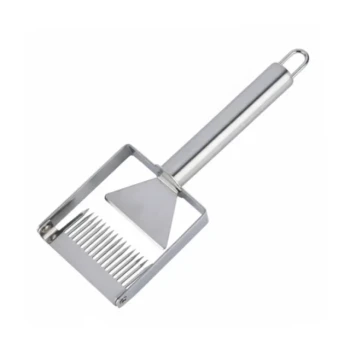
Reduced honey yields usually result from operational breakdowns rather than a single failure. Disease and parasite pressure, pesticide exposure, unstable weather, dearth-period nutrition, weak queens, poor hive management, and post-harvest inefficiencies can all reduce the workforce available for nectar collection. Specialized feeders, durable hive hardware, pest-monitoring supplies, queen-rearing equipment, harvesting machinery, and controlled storage help commercial apiaries protect colony strength and convert more production potential into saleable honey.
Honey yield depends on keeping colonies healthy, well-fed, and populous before the main nectar flow. The most effective approach combines biological management with reliable equipment that reduces losses, labor requirements, handling stress, and processing delays.
Why Operational Problems Reduce Honey Yields
Disease and Parasite Outbreaks Weaken Colonies
Pests and diseases reduce worker populations, disrupt brood production, and can increase colony mortality. Even when a colony survives, a smaller or stressed workforce has less capacity for foraging and honey storage.
Structured monitoring and control are therefore central to yield management. Pest-monitoring supplies, specialized application tools, sanitary hive consumables, and standardized inspection procedures help identify problems earlier and reduce transmission between colonies.
Pesticide Exposure Damages Colony Performance
Agricultural pesticide exposure can impair colony health and contribute to worker losses. The operational impact may appear as reduced foraging activity, weaker populations, or difficulty maintaining healthy brood.
Beekeepers need consistent colony observation and coordinated management around agricultural activity where possible. Careful inspection tools and standardized hive-management practices make it easier to detect abnormal colony behavior and respond before losses expand.
Weather Disrupts Nectar Collection
Extreme seasonal conditions can shorten bloom periods, limit forage availability, and interfere with bee flight. Winter mortality can also reduce the number of strong colonies available for the following production cycle.
Durable hive hardware is especially important for migratory apiaries exposed to repeated transport and changing weather. Stable, well-maintained equipment protects colonies during movement and supports more predictable placement near productive forage.
Dearth Periods Create Nutritional Gaps
When blooming plants are unavailable, colonies may lack the food needed to maintain brood rearing and worker populations. A colony that enters a major nectar flow underfed may not have enough mature workers to collect and process nectar efficiently.
Frame feeders and top feeders allow beekeepers to provide sugar syrup during non-blooming periods with less disruption to the hive. Maintaining nutrition through dearth periods helps preserve the population needed for later honey production.
How Equipment Supports Stronger Colonies
Feeding Equipment Maintains Workforce Capacity
Specialized feeders make supplemental feeding more consistent across a commercial apiary. Frame feeders integrate within the hive, while top feeders provide accessible syrup capacity from above.
The correct choice depends on the apiary’s hive configuration, handling routines, and scale. In either case, reliable feeding equipment helps reduce nutritional stress while limiting unnecessary colony disturbance.
Hive Hardware Improves Transport and Standardization
Commercial beekeeping often involves moving colonies between locations or managing large numbers of standardized hives. Weak, poorly fitted, or aging hardware increases the risk of damage, disturbance, and colony loss during transport.
Durable hive bodies, frames, covers, and related hardware support safer migration and more consistent inspections. Standardization also simplifies purchasing, maintenance, replacement, and workforce training.
Inspection Tools Reduce Handling Stress
Large apiaries must inspect colonies efficiently while preserving colony welfare. Appropriate beekeeping tools allow technicians to open, assess, and manage hives with greater control and fewer unnecessary disruptions.
Gentle handling matters because repeated disturbance consumes labor and can affect colony stability. A well-equipped team can inspect more colonies within the available management window and identify weak colonies before they affect overall production.
Biological Factors That Equipment Cannot Replace
Brood Area Determines Future Foraging Strength
The brood-rearing area has a direct positive relationship with honey production because it influences the number of workers available for future nectar collection. Hive management should therefore protect brood development and provide sufficient space for colony expansion.
Modern brood frames and standardized hive-making equipment help maintain orderly, usable brood areas. They give beekeepers greater control over colony development and make expansion decisions more consistent across the apiary.
Queen Age and Quality Affect Colony Growth
Aging or low-quality queens can limit brood production and slow population growth. An insufficient supply of young, high-quality queens may leave colonies unable to reach peak workforce levels before a major nectar flow.
Queen cell cups, grafting tools, mating nucleus hives, queen isolation cages, and artificial insemination instruments support more controlled queen-rearing programs. These tools help breeders produce fertilized, high-fecundity queens and replace underperforming queens more systematically.
Colony Expansion Requires Consistent Management
Adding hives can increase total production, but only when colonies are sufficiently strong and management capacity grows with the hive count. Expansion without adequate equipment, labor, nutrition, or disease control can increase losses instead of improving output.
Standardized hardware and precision management tools make it easier to scale colony numbers without creating inconsistent practices. They also support more efficient inventory planning for distributors, wholesalers, and commercial operators.
How Harvest and Processing Tools Protect Efficiency
High-Efficiency Extractors Shorten Harvest Cycles
Honey extraction can become a major labor bottleneck when handled with slow or outdated equipment. High-efficiency and mechanized extractors reduce manual work and allow commercial apiaries to process more frames within a shorter period.
Faster extraction helps producers respond to market demand and price changes. It also improves yield efficiency by reducing the time and labor required to move honey from hive to storage.
Electric Bee Blowers Improve Hive Clearance
Electric bee blowers can accelerate the removal of bees from honey supers during harvest. When used appropriately, they reduce manual handling time and help teams process colonies more efficiently.
This is particularly valuable for large operations with narrow harvest windows. Faster collection can reduce scheduling pressure while limiting prolonged disturbance to colonies.
Filling Machinery Removes Post-Harvest Bottlenecks
Extraction is only one stage of the production workflow. Manual filling can delay order fulfillment, create inconsistent packaging output, and make it harder to maintain throughput during peak demand.
Automated honey-filling machinery streamlines bottling and supports more consistent sanitary practices. Combined with efficient extraction, it helps commercial producers scale processing capacity without matching every increase in volume with additional manual labor.
Temperature-Regulated Storage Protects Product Quality
Losses can occur after harvesting if honey is stored under unsuitable conditions. Temperature-regulated storage units help protect raw honey quality and reduce avoidable post-harvest losses.
Storage equipment should be considered part of yield protection because harvested honey only creates value when it remains suitable for sale. Sanitary handling and controlled storage also support more reliable customer and wholesale fulfillment.
Understanding the Trade-offs
Equipment Requires Upfront Investment
Specialized feeders, transport hardware, queen-rearing systems, extractors, filling machinery, and storage units require capital. The return depends on hive count, labor costs, processing volume, colony losses, and market demand.
The most practical investment sequence is usually tied to the largest operational constraint. An apiary facing repeated dearth-period weakening may prioritize feeders, while a producer facing processing delays may gain more from extraction or filling equipment.
Mechanization Does Not Replace Expertise
Modern equipment can reduce labor and management errors, but it cannot replace disease recognition, queen evaluation, nutritional planning, or sound colony decisions. Improper use may still stress colonies or fail to address the underlying biological problem.
Training, operating procedures, and regular equipment maintenance must accompany purchasing decisions. Professional supplier support and responsive technical service are valuable because commercial downtime can affect both colony health and order commitments.
Standardization Can Limit Flexibility
Standardized hive hardware improves efficiency, but equipment must remain compatible with the apiary’s hive formats, migration model, and management practices. A poorly matched product portfolio can create unnecessary conversions, spare-parts complexity, and workflow disruption.
Distributors and B2B resellers should therefore evaluate compatibility, product breadth, delivery reliability, and technical support together. One-stop sourcing is most useful when the supplier can support the full operating system rather than provide isolated products.
More Hives Increase Management Risk
Increasing hive counts can raise total output, but it also increases exposure to disease spread, nutritional shortages, winter losses, storage needs, and inspection backlogs. Growth without adequate systems can reduce average yield per hive.
Scaling should be matched with standardized inspections, pest-control resources, replacement hardware, queen-rearing capacity, and processing throughput. This keeps expansion operationally controlled instead of merely increasing the number of colonies at risk.
Making the Right Choice for Your Goal
The best equipment program begins with the operational factor causing the greatest loss or delay.
- If your primary focus is maintaining colony strength: Use reliable frame or top feeders, pest-monitoring supplies, sanitary hive consumables, and standardized inspection tools to support nutrition and early risk detection.
- If your primary focus is migratory production: Prioritize durable, compatible hive hardware that protects colonies during transport and simplifies rapid field handling.
- If your primary focus is increasing yield per hive: Invest in modern brood frames, queen-rearing equipment, and structured replacement programs for young, high-quality queens.
- If your primary focus is lowering harvest labor: Use high-efficiency honey extractors and electric bee blowers to shorten collection cycles and increase processing capacity.
- If your primary focus is meeting wholesale demand: Add automated honey-filling machinery and temperature-regulated storage to reduce bottlenecks, protect quality, and improve order fulfillment.
- If your primary focus is sourcing efficiency: Work with suppliers offering a full-spectrum product portfolio, rapid response, dedicated service, professional expertise, and dependable delivery across both apiary and processing requirements.
When colony management and specialized equipment are planned as one operating system, commercial apiaries can protect bee health, reduce avoidable losses, and turn stronger colonies into more consistent honey yields.
Summary Table:
| Factor | Impact on Honey Yield | Equipment/Management Solution |
|---|---|---|
| Disease and Parasites | Weakens colonies, reduces foraging workforce | Pest-monitoring supplies, sanitary hive consumables, standardized inspections |
| Pesticide Exposure | Impairs colony health, reduces activity | Consistent observation, careful inspection tools |
| Weather Disruption | Shortens bloom, limits forage | Durable hive hardware for migratory apiaries |
| Dearth Periods | Nutritional gaps reduce brood and workforce | Frame/top feeders for supplemental feeding |
| Weak Queens | Limits brood production and population growth | Queen-rearing equipment, grafting tools, queen cages |
| Post-harvest Inefficiencies | Labor bottlenecks, quality losses | High-efficiency extractors, electric bee blowers, filling machinery, temperature-regulated storage |
Maximize your honey yields with the right equipment and management tools. At HONESTBEE, we cater to commercial apiaries and distributors with a comprehensive wholesale offering, supplying everything from hive-making and honey-filling machines to essential consumables. Our one-stop sourcing, rapid response, and dedicated service ensure you get the right products to keep your colonies healthy and your processing efficient. Whether you need to boost colony strength, streamline harvest, or scale your operations, we're here to support you every step of the way. Contact us today to discuss your specific needs and discover how our full-spectrum product portfolio and professional expertise can help you achieve consistent, high yields. Get in touch with us and let's optimize your beekeeping operation together!
Related Products
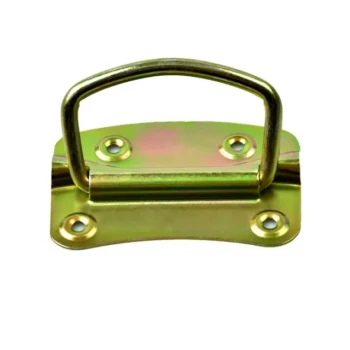
- Professional Grade Foldable Beehive Handles
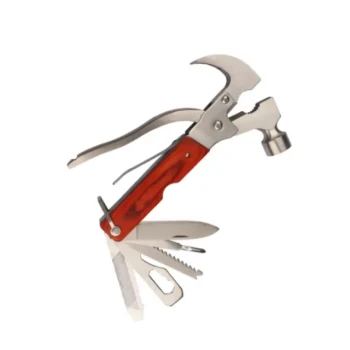
- HONESTBEE 15-in-1 Beekeeper Multi-Tool with Hammer and Pliers for Beekeeping
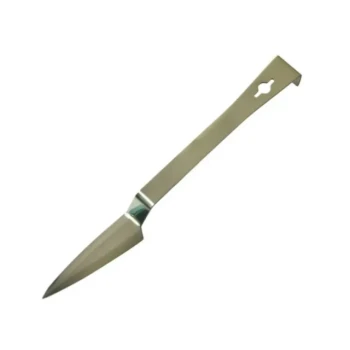
- HONESTBEE Professional Long Handled Hive Tool with Precision Cutting Blade
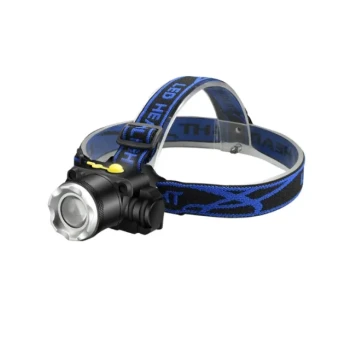
- Professional Rechargeable Beekeeping Headlamp Flashlight with Red Light Mode and Type-C Charging
- Heavy-Duty Ergonomic Grip Galvanized Pollen Shovel
People Also Ask
- How do bee hive handles facilitate the evaluation of food stores? Use the Lift Test for Winter Survival
- How do hive handling tools and propolis management affect bee colony behavior during routine apiary maintenance? Minimize Disturbance with Precise Techniques
- How do the geometry and dimensions of hive handles influence operational safety and control? Expert Design Insights
- What is a bee hive tool? Discover Why It’s the Most Essential Hand Tool for Every Beekeeper
- What are the common sizes and features of bee hive tools? Choose the Right Tools for Your Apiary