Modern hives with removable frames provide a superior physical structure that enables vertical expansion and non-destructive honey harvesting. This design allows beekeepers to extract honey using centrifugal force without destroying the wax combs, saving bees the immense energy required to rebuild their environment. Consequently, annual honey yields can increase from roughly 5–10 kg in traditional hives to over 33 kg in modern standardized systems.
Core Takeaway: The shift from traditional to modern frame hives replaces a destructive, low-yield process with a scalable, modular production system that preserves biological resources and triples output potential.
Maximizing Biological Efficiency Through Structural Design
The Impact of Vertical Modular Expansion
Modern hives utilize supers, which are additional boxes placed vertically on top of the brood chamber to expand colony space. This verticality allows bees to store surplus honey in a dedicated area, separate from the queen’s egg-laying zone.
By adding or removing these modules based on the nectar flow, beekeepers can optimize the hive's internal volume. This prevents overcrowding and encourages the colony to focus entirely on honey accumulation during peak seasons.
Preservation of High-Energy Wax Combs
In traditional "fixed-comb" hives, harvesting requires crushing the honeycomb, forcing bees to consume significant amounts of honey just to produce the wax needed for reconstruction. Modern removable frames allow the wax architecture to remain intact during and after extraction.
Because bees do not have to spend time or metabolic energy rebuilding their nest, they can immediately return to foraging. This preservation of "biological capital" is the primary driver behind the massive increase in annual honey yields.
Technical Advantages in Harvesting and Management
Integration with Centrifugal Extraction
The physical standardization of modern frames makes them compatible with centrifugal honey extractors. This equipment spins the frames at high speeds, pulling the honey out of the cells while leaving the delicate wax structure undamaged.
This process enables the rapid recycling of combs back into the hive. Reusing combs multiple times per season allows for up to three or more harvests per year, compared to the limited one or two harvests typical of traditional methods.
Enhanced Product Purity and Market Value
Modern frames facilitate the use of queen excluders, physical barriers that prevent the queen from laying larvae in the honey storage area. This ensures that the harvested honey is free from impurities like bee brood or larvae.
Distributors benefit from this structural separation because it results in honey with higher clarity, better color, and lower impurity rates. These factors significantly improve the commercial grading and market value of the final product.
Understanding the Trade-offs and Requirements
Increased Capital and Maintenance Costs
While modern hives offer higher yields, they require a higher initial investment in standardized equipment and extraction machinery. Unlike traditional hives, which can often be built from local materials, modern systems rely on precise manufacturing tolerances.
Necessity for Skilled Management
The complexity of modular hives demands more frequent and technical inspections. Beekeepers must understand how to manage the "space" within the hive to prevent swarming and to ensure that frames are swapped at the correct maturity levels.
Making the Right Choice for Your Portfolio
As a distributor or wholesaler, your choice of inventory should align with your clients' production goals and technical capabilities.
- If your primary focus is maximizing commercial honey production: Prioritize a full-spectrum portfolio of standardized Langstroth-style hives and centrifugal extractors to ensure your clients achieve the highest possible yields and purity.
- If your primary focus is rapid market entry for hobbyists: Source modular "nuc" (nucleus) hives and starter kits that emphasize ease of inspection and non-destructive harvesting for smaller-scale operations.
- If your primary focus is supply chain reliability: Partner with a one-stop trading expert who can provide rapid response times and ultra-fast delivery on standardized frame components to prevent seasonal stockouts.
Modern removable-frame hives represent the transition from subsistence beekeeping to a high-efficiency, standardized industry that maximizes both bee health and economic return.
Summary Table:
| Feature | Traditional Hives | Modern Removable Frame Hives |
|---|---|---|
| Annual Honey Yield | Low (5–10 kg) | High (33+ kg) |
| Harvesting Method | Destructive (Crushing) | Non-destructive (Centrifugal) |
| Wax Architecture | Destroyed & Rebuilt | Preserved & Reused |
| Expansion Ability | Limited/Fixed Volume | Vertical Modular Supers |
| Product Purity | Low (Contains Larvae) | High (Queen Excluder System) |
Scale Your Beekeeping Business with HONESTBEE
For distributors, wholesalers, and commercial apiaries, equipment efficiency is the key to profitability. HONESTBEE provides a comprehensive one-stop sourcing solution designed to maximize honey yield and operational speed. From standardized Langstroth-style hives and centrifugal extractors to specialized hive-making and honey-filling machines, we supply the full spectrum of professional beekeeping hardware and consumables.
Why Partner with HONESTBEE?
- Comprehensive Portfolio: Access everything from essential tools to honey-themed cultural merchandise.
- B2B Focused Service: High-margin wholesale offerings with OEM/ODM support for resellers.
- Rapid Fulfillment: Ultra-fast delivery and deep industry expertise to ensure your supply chain never misses a nectar flow.
Ready to enhance your product lineup with premium, high-yield equipment? Contact our experts today to receive our latest wholesale catalog and professional consultation.
References
- Solomon Abera Bariagabre, Daniel Woldegebriel. The effect of harvesting time and beehive type on honey yield and quality of Apis mellifera in Kilite Awlaelo district, Tigray, Northern Ethiopia. DOI: 10.1007/s44187-025-00704-z
This article is also based on technical information from HonestBee Knowledge Base .
Related Products
- Plastic Bee Frame Beekeeping Hive Frames for Wholesale
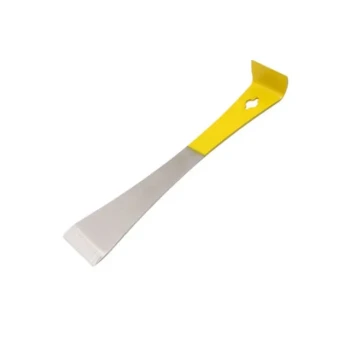
- Professional Multi-Function Stainless Steel Hive Tool
- Wooden Bee Hive Frames for Beekeeping and Wholesale
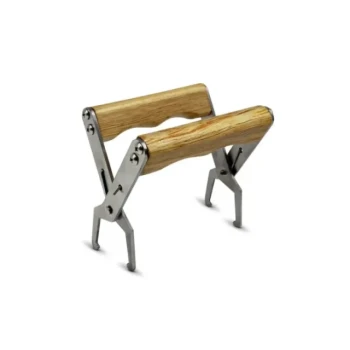
- Premium Frame Grip with Ergonomic Wood Handles
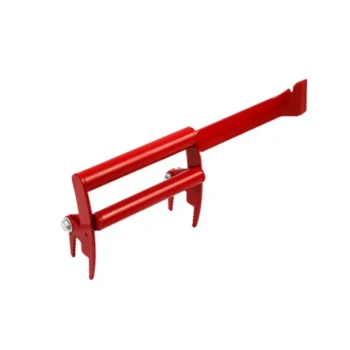
- Multi-Function Plier-Style Frame Grip Hive Tool
People Also Ask
- Do bee frames need foundation? Choose the Right Approach for Your Apiary
- Under what circumstances should bee frames be destroyed? Protect Your Apiary from American Foulbrood
- How should frames be rearranged as a bee colony grows? Master Hive Expansion and Nest Management
- When should frames with new foundation be given to colonies? Master Timing for a Thriving Hive
- What are bee frames and how are they sized? A Professional Guide to Standardization & Material Choice