Successful queen bee grafting begins long before you pick up a tool.
The absolute primary requirement before beginning the physical grafting process is ensuring a cell builder or starter colony is available and ready. You must establish this receiving colony first, as it serves as the immediate destination for the larvae once they are transferred from their brood cells.
The physical act of grafting requires moving delicate larvae into artificial environments. Because these larvae require immediate care, having a prepared cell builder colony waiting to receive them is the non-negotiable prerequisite to the procedure.
The Mechanics of Grafting
Defining the Process
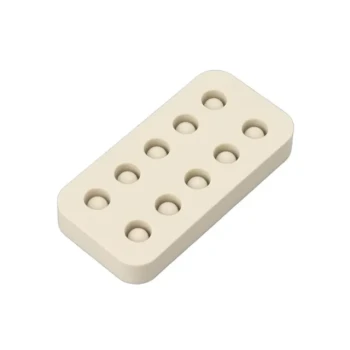
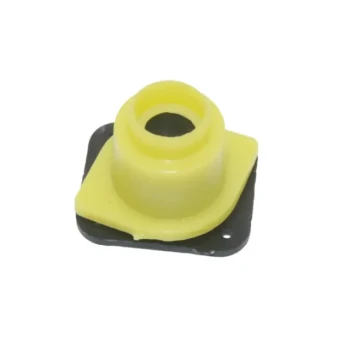
Grafting is technically defined as the action of transferring a honey bee larva from a natural brood cell into a manufactured cell cup.
This technique allows beekeepers to separate the larva from the comb structure, placing it into a vessel that is standardized for human handling.
Why Preparation Matters
The goal of this technique is typically to produce a larger volume of queens—more than a mere handful—in a single season.
Because you are creating multiple queen cells simultaneously, you cannot rely on natural hive dynamics to spontaneously care for them. You must artificially create a demand for queens in the receiving colony beforehand.
The Critical Prerequisite: The Cell Builder
Immediate Reception
According to expert guidelines, the cell builder (or starter colony) must be fully established before grafting commences.
This colony acts as a surrogate, providing the immediate warmth, royal jelly, and care necessary for the grafted larvae to survive the transition.
Scalability and Handling
Using manufactured cell cups allows for the creation of queen cells that are easy to transport and handle.
However, this advantage is lost if the starter colony is not prepared to accept these artificial cups immediately upon insertion.
Common Pitfalls to Avoid
Neglecting Colony Readiness
A frequent error is focusing entirely on the manual dexterity required to move larvae while underestimating the importance of the receiving colony.
If the cell builder is not available or properly timed to receive the graft, the larvae may dry out or be rejected.
Misaligned Workflows
Attempting to prepare the colony and graft larvae simultaneously often leads to delays.
The biological viability of the larvae degrades rapidly outside the hive; therefore, the "infrastructure" (the colony) must be waiting for the "product" (the larvae), not the other way around.
Ensuring Grafting Success
To maximize your acceptance rates and queen quality, prioritize your workflow based on your specific goals:
- If your primary focus is high-volume production: Ensure your cell builder is available and capable of supporting the specific number of manufactured cups you intend to introduce.
- If your primary focus is process efficiency: Confirm the starter colony is ready to receive frames immediately, minimizing the time delicate larvae are exposed to dry air during transfer.
Preparation of the receiving colony is not just a step in the process; it is the foundation that makes the technique viable.
Summary Table:
| Preparation Category | Key Requirement | Importance |
|---|---|---|
| Colony Status | Established Cell Builder/Starter | Provides immediate warmth, royal jelly, and care. |
| Equipment | Manufactured Cell Cups | Standardizes handling for high-volume queen production. |
| Timing | Immediate Transfer | Prevents larvae from drying out or being rejected. |
| Infrastructure | Surrogacy Readiness | Ensures the colony is biologically primed to accept grafts. |
Scale Your Queen Rearing with HONESTBEE
High-volume queen production requires precision equipment that works as hard as you do. HONESTBEE specializes in supporting commercial apiaries and distributors with a complete range of professional-grade beekeeping tools. From durable cell cups to advanced honey-filling machines and hive-making equipment, we provide the industrial infrastructure necessary for your success.
Ready to elevate your operations? Contact us today to learn how our wholesale solutions and essential consumables can optimize your apiary's efficiency and output.
Related Products
- Clear Black Plain Polystyrene Queen Bee Grafting Cell Cups No Lug for Bee Queen Cup
- Portable Queen Bee Incubator with 12V Car Adapter for Safe Transport
- Stainless Steel Beekeeping Queen Grafting Tool for Honey Bee Rearing
- Stainless Steel Queen Grafting Tool for Beekeeping and Bee Queen Grafting
- Plastic Chinese Queen Grafting Tool for Bee Queen Rearing
People Also Ask
- What materials are used to make artificial queen cell cups for grafting? Beeswax vs. Plastic Guide
- What role do specialized queen rearing tools play in developing mite-resistant honeybee stock? Master Genetic Selection
- What roles do specialized queen cell cups play in royal jelly production? Optimize Your Hive's Secretion and Yield
- What types of cell cups are commonly used in grafting? Plastic vs. Wax for Queen Rearing Success
- Why is a diluted royal jelly solution applied to queen cell cups? Boost Acceptance in Artificial Grafting