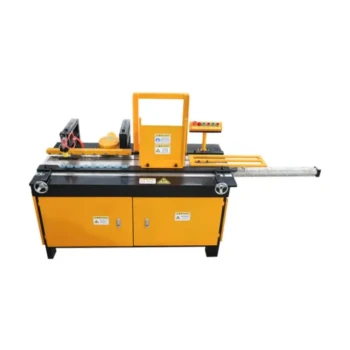
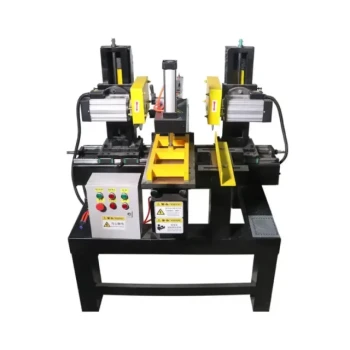
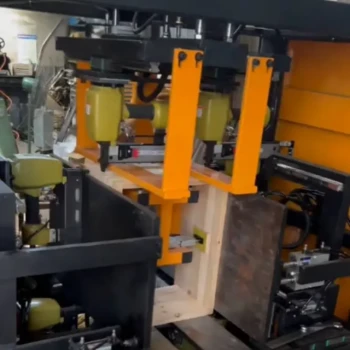
Industrial hive-making and honey-filling machinery act as a primary vector for the cross-border transmission of the Small Hive Beetle (SHB). While these technologies are fundamental to modern apiculture, they facilitate the long-distance movement of beetle eggs, larvae, and adults when contaminated equipment is transported or used to process infected hive products without rigorous sanitation protocols.
Core Takeaway: Unsanitized industrial equipment serves as a hidden "highway" for the Small Hive Beetle, allowing the pest to bypass natural geographic barriers through human trade routes. Effective control requires treating the machinery not just as a production tool, but as a critical checkpoint for biosecurity and sanitation.
The Mechanism of Transmission
Equipment as a Biological Vector
According to the primary analysis of global trade risks, industrial machinery is a confirmed carrier of SHB. When hive-making machines or honey-filling lines process contaminated beeswax, honey, or structural components, they can unknowingly harbor beetle eggs and larvae.
Because these pests are small and often hidden within raw materials, the machinery itself becomes a vehicle for infestation. If this hardware is sold or moved between countries without sterilization, it introduces the pest into previously unaffected regions.
The Role of Residual Contamination
The risk is amplified by the residue left within complex machinery. Honey-filling equipment that is not flushed and sanitized retains traces of honey and pollen.
This organic matter supports the survival of SHB larvae during transport. Without strict biosecurity monitoring, the equipment provides both the shelter and the food source necessary for the pest to survive long-distance travel.
How Technology Mitigates Infestation Risks
While machinery poses a transmission risk during transport, its proper application offers significant defenses against local infestations.
Precision Engineering Reducting Hiding Spots
High-precision hive manufacturing mitigates the beetle's ability to establish a colony. Industrial-grade machinery produces components with exact specifications, ensuring tight fits between hive parts.
This minimizes structural gaps and crevices where adult beetles typically hide and lay eggs. By reducing these physical vulnerabilities, the machinery enables honeybees to patrol the hive more effectively and remove pests before they multiply.
Automated Processing Prevents Attraction
Small Hive Beetles are powerfully attracted to the scent of fermented honey, often caused by the yeast Kodamaea ohmeri found in beetle excrement. Automated filling equipment seals honey rapidly and airtight, drastically reducing exposure to environmental contaminants.
By preventing the honey from fermenting or leaking—issues common with manual or improper extraction—automated systems eliminate the olfactory cues that draw beetles into the facility in the first place.
Critical Trade-offs and Risks
Efficiency vs. Inspection Complexity
Industrial-grade machinery allows for the mass production and standardization necessary for large-scale pollination services. However, this volume creates a trade-off in oversight.
High-speed automated lines make it difficult to visually inspect every millimeter of processed material for beetle eggs. Reliance on speed must be balanced with automated detection or strict batch testing to prevent mass contamination.
The "Trojan Horse" of Standardization
Standardized hives allow for the easy interchange of frames and the long-distance transport of colonies for pollination. While this aids management, it ironically facilitates the spread of pests.
The same equipment that makes pollination rentals possible also creates the infrastructure for moving infested colonies across vast distances. The machinery enables a system where pests move as fast as the economy, necessitating a shift from reactive pest control to proactive equipment sterilization.
Making the Right Choice for Your Goal
To manage the complex relationship between industrial efficiency and biological risk, prioritize your actions based on your specific operational focus:
- If your primary focus is preventing cross-border transmission: Implement strict sanitation protocols and utilize industrial irradiation (400 Gy) to treat equipment, ensuring 100% beetle mortality without damaging materials.
- If your primary focus is reducing local infestation rates: Invest in high-precision manufacturing equipment to produce seamless hives that eliminate the crevices SHB use for breeding and hiding.
- If your primary focus is product hygiene: Transition to automated, airtight filling systems to prevent honey fermentation, thereby removing the primary scent attractant for new beetle populations.
Biosecurity is no longer just about the bees; it is about the cleanliness and design of the machines that build their world.
Summary Table:
| Aspect | Role in SHB Transmission / Prevention | Impact on Biosecurity |
|---|---|---|
| Equipment Vector | Carries eggs/larvae in organic residues | Facilitates cross-border spread via trade |
| Precision Hive Making | Reduces structural gaps and hiding crevices | Enhances bees' ability to patrol & defend |
| Automated Filling | Rapid, airtight sealing prevents fermentation | Eliminates scent cues that attract beetles |
| Sanitation Needs | Requires irradiation or deep cleaning | Prevents equipment from acting as a 'Trojan Horse' |
Protect Your Apiary with HONESTBEE Precision Equipment
At HONESTBEE, we understand that high-quality machinery is your first line of defense against pests like the Small Hive Beetle. We provide commercial apiaries and distributors with precision-engineered hive-making machines designed to eliminate hiding spots and advanced honey-filling systems that ensure product hygiene.
Whether you need specialized hardware or essential industry consumables, our comprehensive wholesale offerings are built to scale your business while maintaining the highest biosecurity standards.
Ready to upgrade your production safety?
Contact HONESTBEE today to explore our full range of professional beekeeping solutions.
References
- B. Cornelissen, Oliver Schweiger. Global warming promotes biological invasion of a honey bee pest. DOI: 10.1111/gcb.14791
This article is also based on technical information from HonestBee Knowledge Base .
Related Products
- High-Efficiency Pneumatic Bee Hive Making Machine for Rapid Box Assembly
- Beehive Handle and Frame Rest Cutting Machine: Your Specialized Hive Machine
- Automatic Finger Joints Joint Making Machine for Bee Box and Hive Making
- Beehive Machine Double End Saw for Precision Hive Component Manufacturing
- Mini Desktop Bee Hive Frame Forming Making Machine
People Also Ask
- How does the introduction of professional beehive-making machinery benefit sustainable beekeeping? Scale Your Apiary
- Why is specialized beehive-making machinery critical for low-defense breeding? Enhance Selection with Precision Tools
- How does the introduction of specialized beehive making machinery contribute to increasing the scale of regional beekeeping industries?
- What is the importance of specialized beehive making machinery in a circular bio-economy? Build Local Sustainability
- Why is specialized beehive-making machinery essential? Scale Your Apiary with Precision Industrial Standards