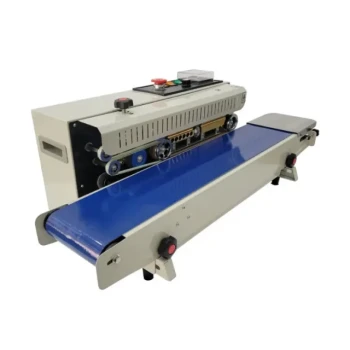
A constant temperature oven serves as a precision tool for the controlled removal of solvents. During the concentration stage of propolis ethanol extracts, its primary role is to maintain a stable thermal environment—typically at 50°C—to facilitate the partial evaporation of ethanol. This increases the density of active ingredients while preventing thermal degradation.
Core Takeaway The oven acts as a safeguard between potency and purity. It allows you to drive off the ethanol solvent to concentrate the extract, but does so gently enough to preserve the biological activity of heat-sensitive components like volatile oils and enzymes.
The Mechanics of Solvent Removal
Achieving Controlled Evaporation
The fundamental function of the constant temperature oven is to provide a stable thermal environment.
By maintaining a consistent temperature, typically set to 50 degrees Celsius, the equipment ensures that the ethanol solvent evaporates at a steady, predictable rate.
This "gentle heating" method is distinct from rapid boiling or high-heat distillation, prioritizing stability over raw speed.
Increasing Active Ingredient Concentration
The goal of this stage is to remove the carrier (ethanol) to leave behind the valuable payload (propolis compounds).
As the ethanol evaporates in the controlled heat, the volume of the liquid decreases, but the mass of the solid matter remains constant.
This process directly results in a higher concentration of active ingredients per unit of volume in the remaining solution.
Preserving Bioactive Integrity
Protecting Sensitive Compounds
Propolis is a complex mixture containing fragile biological substances.
The primary reference highlights that volatile oils and enzymes are particularly susceptible to heat damage.
If exposed to the fluctuating or excessive temperatures common in unregulated heating methods, these components can denature or evaporate, reducing the therapeutic value of the final product.
Ensuring Chemical Stability
The constant temperature oven mitigates the risk of "cooking" the extract.
By capping the temperature at a moderate level (50°C), the process ensures that the chemical structure of the bioactive polyphenols remains intact.
This preservation is essential for maintaining the extract's efficacy for pharmaceutical or food applications.
Understanding the Limitations and Trade-offs
The Balance of Speed vs. Quality
Using a constant temperature oven at 50°C is an exercise in patience.
While this method is superior for quality preservation, it is significantly slower than high-heat evaporation techniques.
You are trading processing speed for the assurance that the biological activity of the propolis is preserved.
Partial vs. Total Removal
It is important to note that this method is often used to partially remove the solvent.
While it effectively concentrates the liquid, drying the extract completely to a solid state for analytical purposes (as noted in supplementary contexts regarding "constant weight") may require significantly longer processing times.
For total solvent removal in industrial settings, other equipment is sometimes preferred, but the oven remains the standard for controlled, gentle concentration.
Optimizing Your Concentration Process
To ensure you are utilizing the constant temperature oven effectively, align your settings with your specific objectives.
- If your primary focus is potency preservation: Maintain the temperature strictly at 50°C to ensure volatile oils and enzymes are not degraded during evaporation.
- If your primary focus is analytical measurement: Use the oven to dry a known volume to a constant weight, allowing you to calculate the precise mass concentration (mg/ml) for scientific comparison.
- If your primary focus is production efficiency: Recognize that this is a passive, gentle process; do not attempt to rush evaporation by raising temperatures, as this defeats the purpose of the equipment.
By respecting the thermal limits of the extract, you transform a raw solution into a potent, bioactive concentrate without compromising its quality.
Summary Table:
| Feature | Function in Propolis Concentration | Benefit |
|---|---|---|
| Temperature Stability | Maintains a consistent 50°C environment | Prevents thermal degradation of sensitive oils |
| Controlled Evaporation | Regulated removal of ethanol solvent | Increases density of active ingredients |
| Bioactive Preservation | Protects enzymes and volatile compounds | Ensures high therapeutic efficacy and purity |
| Chemical Integrity | Caps heat at a moderate level | Keeps polyphenol structures intact |
Elevate Your Propolis Production with HONESTBEE
At HONESTBEE, we understand that preserving the delicate biological activity of propolis is vital for commercial success. Whether you are a professional apiary or a global distributor, our comprehensive wholesale solutions provide the specialized machinery and equipment needed for high-quality extraction and processing.
Why partner with HONESTBEE?
- Precision Equipment: From constant temperature ovens to honey-filling and hive-making machines.
- Industry Consumables: A full spectrum of essential tools and supplies for large-scale operations.
- Market Growth: We help you deliver potent, pharmaceutical-grade extracts that stand out in the marketplace.
Ready to scale your beekeeping business with professional-grade hardware? Contact our expert team today to discuss your wholesale needs and discover how our specialized tools can enhance your product quality.
References
- Sibel Soycan Önenç, Aslı Turan Uçman. Effects of Adding Ethanol Extract of Propolis on the Fermentation Quality, Aerobic Stability, Fatty Acid Profile, and In Vitro Digestibility of Alfalfa Silages. DOI: 10.3390/fermentation8080412
This article is also based on technical information from HonestBee Knowledge Base .
Related Products
People Also Ask
- How is a heat sealer used in the production of honey sticks? Master the Art of Leak-Proof Sealing
- What is a sealing machine called? Choose the Right Heat Sealer for Your Packaging
- How do I choose a heat sealer? A Guide to Matching the Right Machine to Your Needs
- What is the function of sealing machines? Ensure Product Integrity and Extend Shelf Life
- What is a sealing machine? Protect Your Product Quality and Brand Reputation