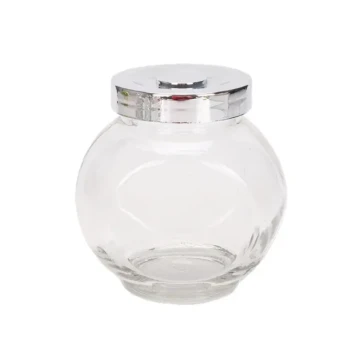
Food-grade funnels and collection basins function as critical fluid guidance and containment systems during the honey harvesting process. They serve as the essential interface between filtration equipment and final storage containers, managing the physical flow of honey. Their primary operational role is to facilitate the transfer of honey in open or semi-open environments while minimizing physical waste and preventing contamination.
By narrowing the flow path and acting as intermediate holding vessels, these tools significantly reduce the surface area of honey exposed to the environment. This ensures that the transition from extraction to storage maintains the strict hygiene standards required for food products.
The Mechanics of Efficient Transfer
Fluid Guidance and Direction
Funnels act as fluid guidance vehicles. They channel honey from broad output points—such as extractors or strainers—into narrower storage openings.
Without this guidance, the high viscosity of honey can lead to spills and inefficient transfer. Funnels ensure the product moves directly into the storage vessel without contacting external surfaces.
Intermediate Collection and Buffering
Collection basins serve as turnover consumables and preliminary storage units. They receive honey immediately after extraction or filtration, holding it temporarily before it is poured or pumped into long-term storage.
These basins allow for the aggregation of flow from different processing batches. This facilitates a smoother workflow by decoupling the extraction rate from the packing rate.
Hygiene and Quality Control
Reducing Environmental Exposure
A critical function of these tools is reducing the surface area of honey exposure. In open or semi-open harvesting environments, honey is vulnerable to dust, moisture, and debris.
By quickly guiding honey into containers (funnels) or pooling it in deep vessels (basins), the ratio of surface area to volume is minimized. This limits the window of opportunity for airborne contaminants to settle on the product.
Material Cleanliness and Grade
The designation of "food-grade" is not merely a label; it is a functional requirement for primary processing quality.
Because these tools come into direct contact with raw honey, their material integrity prevents chemical leaching. Using verified food-grade plastics or stainless steel ensures that the chemical properties of the honey remain stable during transfer.
Understanding the Trade-offs
The Viscosity Bottleneck
While funnels guide flow, they can create bottlenecks if not sized correctly. Cold or highly viscous honey moves slowly, and a funnel with a narrow stem can back up quickly, halting the entire harvesting line.
Open System Risks
Collection basins are typically open-top vessels. While they are excellent for receiving honey, they do not offer the sealed protection of a lidded bucket.
Leaving honey in a collection basin for extended periods increases the risk of absorbing ambient moisture or attracting insects. These tools are designed for active transfer, not static storage.
Making the Right Choice for Your Goal
To ensure your harvesting setup meets your specific operational needs, consider how you prioritize speed versus control.
- If your primary focus is Hygiene and Purity: Prioritize stainless steel or certified food-grade plastics that are easy to clean, ensuring no residue carries over between batches.
- If your primary focus is Process Efficiency: Select wide-mouth funnels and large-capacity basins to accommodate high-volume flow without creating bottlenecks during the transfer.
The effective use of these tools transforms honey transfer from a messy, high-risk chore into a controlled, sanitary manufacturing process.
Summary Table:
| Tool Component | Primary Role | Key Functional Benefit | Material Requirement |
|---|---|---|---|
| Food-Grade Funnels | Fluid Guidance | Directs flow from extractors to containers; prevents spills. | Non-leaching Plastic / Stainless Steel |
| Collection Basins | Intermediate Buffering | Temporarily holds honey to decouple extraction and packing rates. | Certified Food-Grade Surface |
| Narrow Stems/Outlets | Flow Control | Minimizes surface area exposure to environmental contaminants. | Easy-to-clean geometry |
| Deep Vessel Design | Volume Management | Aggregates batches for consistent workflow and quality control. | High-durability construction |
Elevate Your Honey Processing with HONESTBEE Professional Solutions
Maximize your harvest efficiency and maintain peak product purity with HONESTBEE. As a specialized partner for commercial apiaries and distributors, we provide more than just tools; we deliver comprehensive wholesale systems designed for scale.
From high-performance honey-filling machines and hive-making hardware to professional-grade beekeeping tools and essential consumables, our portfolio is engineered to support your growth.
Ready to streamline your operations? Contact our experts today to discover how HONESTBEE can optimize your production line and enhance your market value with our industry-leading machinery and cultural merchandise.
References
- Iman Sulaiman. ANALISIS USAHA PERLEBAHAN TERHADAP PENDAPATAN KELUARGA TANI DESA SIPATUHU 1 BANDING AGUNG KABUPATEN OKU SELATAN. DOI: 10.53488/jba.v1i01.33
This article is also based on technical information from HonestBee Knowledge Base .
Related Products
- Food Grade Plastic Honey Bucket Pail for Beekeeping
- Plastic Honey Gate Spout with Wing Nut for Beekeeping Honey Bucket
- Honeycomb Style Drip Free Honey Dispenser
- Classic Drum Shaped Glass Honey Jar with Airtight Lid
People Also Ask
- What key operational precautions should be taken when using honey buckets and extractors fitted with bottom drain taps?
- What functions do food-grade honey buckets perform? Safeguard Your Harvest and Optimize Apiary Logistics
- Why are food-grade plastic buckets preferred for honey? Protect Quality with Modern Honey Collection Tools
- What is the significance of food-grade plastic honey collection buckets? Boost Quality in Forest Honey Logistics
- What is a honey pail? The Essential Container for Protecting Your Honey's Value