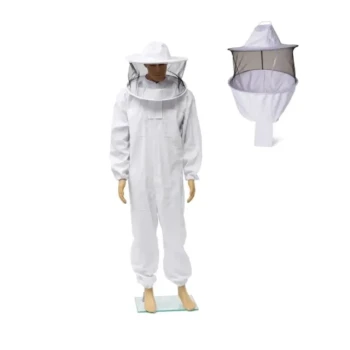
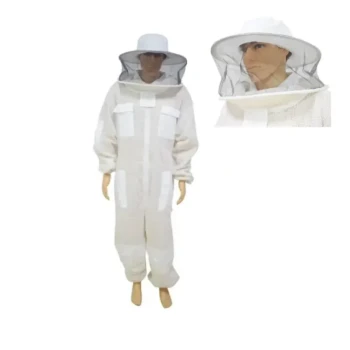
Beyond simple physical armor, professional bee suits are engineered to exploit the specific visual psychology of honeybees. By utilizing light-colored and low-reflectivity fabrics, the suit renders the wearer less perceptible as a biological threat to the hive.
While thickness prevents stings, the core technical principle of a professional suit is visual threat reduction. By matching the fabric’s appearance to the bee’s low-threat perception spectrum, the design minimizes the colony's defensive response before a physical encounter ever occurs.
The Science of Visual Mitigation
Professional beekeeping gear is designed around the biological reality of how bees perceive potential predators.
Exploiting Bee Vision
Honeybees are evolutionarily conditioned to identify dark, moving shapes—such as bears or badgers—as primary threats.
Professional suits utilize light-colored fabrics to break this recognition pattern. Because bees do not easily perceive white or light pastels as hostile agents, the wearer effectively bypasses the colony’s primary visual trigger for aggression.
The Role of Low-Reflectivity
The texture of the material is just as critical as the color.
Professional suits employ low-reflectivity fabrics to avoid creating glare or sudden flashes of light. High-sheen materials can startle the hive, whereas matte finishes help the beekeeper blend neutrally into the background of the apiary.
Operational Impact on the Colony
The technical design of the suit serves to manage the hive's behavior, not just protect the human.
Lowering Colony Alertness
The primary goal of the visual design is stress reduction for the superorganism.
By appearing as a neutral object rather than a dark predator, the suit keeps the colony's defensive alertness low. This allows the beekeeper to approach and work without triggering a mass defensive mobilization.
Preserving Normal Activity
Effective suit design allows for safe hive operations without disrupting the bees' workflow.
When the colony perceives a threat, normal foraging and hive maintenance stop as bees switch to defense. By using light, low-reflectivity gear, the beekeeper allows the bees to continue their normal activities uninterrupted during inspections.
Understanding the Limitations
While visual principles are effective, they rely on the biological tendencies of the bee rather than absolute invisibility.
Camouflage is Not Foolproof
While light colors lower the probability of an attack, they do not guarantee safety.
The visual camouflage reduces the initial threat assessment, but it does not negate the bees' response to other stimuli. Rapid movement or strong vibrations can still override the calming effect of the light-colored fabric.
The Maintenance Factor
The effectiveness of the suit relies on the integrity of its visual characteristics.
Over time, suits can darken with dirt, propolis, or venom, which compromises their low-threat appearance. To maintain the technical advantage of the design, the fabric must remain clean and light-colored.
Making the Right Choice for Your Goal
To maximize safety and efficiency in the apiary, select gear that aligns with these biological principles.
- If your primary focus is personal safety: Prioritize suits with proven light-colored pigmentation to ensure you are not identified as a natural predator.
- If your primary focus is colony productivity: Choose gear with low-reflectivity finishes to perform inspections without triggering a work-stopping defensive response.
Effective beekeeping relies on managing the bees' perception of risk as much as managing the bees themselves.
Summary Table:
| Technical Principle | Design Implementation | Biological Objective |
|---|---|---|
| Visual Mitigation | Light-colored / White fabrics | Avoid recognition as a dark-colored predator (e.g., bears). |
| Glare Reduction | Low-reflectivity / Matte finishes | Prevent startling the hive with sudden light flashes. |
| Behavior Management | Neutral aesthetic profiles | Keep colony stress low to preserve normal foraging activity. |
| Psychological Shield | Thick, multi-layered material | Provides physical protection while maintaining color integrity. |
Elevate Your Beekeeping Operations with HONESTBEE
At HONESTBEE, we understand that professional beekeeping requires more than just physical protection—it requires gear designed with biological precision. We specialize in catering to commercial apiaries and global distributors, offering a comprehensive wholesale range of high-performance beekeeping suits, advanced machinery, and essential consumables.
Whether you need hive-making equipment, honey-filling machines, or the latest in protective apparel, our portfolio is built to enhance both beekeeper safety and colony productivity. Contact us today to discover how our premium supplies and industry expertise can provide the competitive edge your business deserves.
References
- Aušrinė Raudoniūtė. EFFECTIVENESS OF INTEGRATED THEMATIC EDUCATIONAL ACTIVITY ABOUT BEES AND BEEKEEPING. DOI: 10.48127/gu/19.25.70
This article is also based on technical information from HonestBee Knowledge Base .
Related Products
- Professional Cotton Beekeeper Suit with Round Veil Design for Commercial Apiaries
- Professional Beekeeper Suit with Square Folding Cotton Veil
- Professional Beekeeping Suit for Kids and Girls Childrens Bee Keeper Suit
- Bee Inflatable Costume Professional Engaging Promotional Attire for Events & Marketing
- Iconic Maya the Bee Mascot Costume Professional Engaging Character Outfit
People Also Ask
- What material and design specifications are recommended for a high-quality beekeeper suit? Top Gear Selection Guide
- How to Pre-treat Propolis Stains on Beekeeping Suits? Master Advanced Fabric Care and Soil Removal
- Why is it important to keep a beekeeping suit clean? Essential Safety & Maintenance Tips
- Is it generally safe to wash a beekeeping suit in a washing machine? Maintain Your Safety Gear Properly
- What are the primary functional requirements for a beekeeping suit to ensure user safety? Professional Sourcing Guide