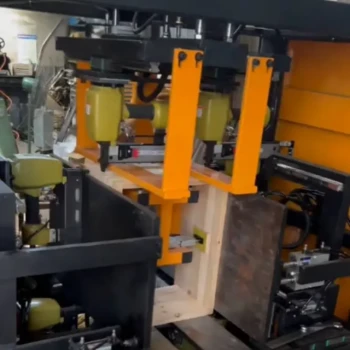
The technical requirements for managing high-density apiaries focus on four pillars: standardization of hive infrastructure, industrial-grade health monitoring, mechanized extraction systems, and biocompatible consumables. To sustain large-scale operations, equipment must facilitate rapid health screenings and high-volume processing while maintaining a controlled, mobile environment for bee colonies.
Managing high-density apiaries requires a shift from manual oversight to a synchronized system of standardized equipment that minimizes labor and maximizes honey purity. Success at scale depends on integrating industrial-grade tools that ensure consistency across hundreds of colonies.
Infrastructure and Environmental Standardization
The Role of Standardized Hives
Standardized beehives are the essential physical foundation for any high-density operation. They provide a uniform environment that allows for precise colony monitoring and predictable honey yields.
Consistency in hive dimensions is critical for interchangeability of parts, which speeds up field operations and reduces downtime during inspections. This uniformity also allows for more efficient supplementary feeding and baiting protocols across thousands of units.
Resilience Against Environmental Fluctuations
Professional equipment must offer industrial-grade design to protect colonies from diverse climatic conditions. This ensures that production stability is maintained even when environmental risks, such as temperature swings, threaten colony health.
High-density beekeeping relies on these structured environments to implement human interventions effectively. By controlling the hive space, beekeepers can better manage bee labor distribution to optimize total output.
Precision Health and Maintenance Protocols
Specialized Diagnostic Tools
High-density environments increase the risk of rapid disease transmission, making specialized diagnostic tools a requirement for frequent health screenings. These tools allow for early detection, which is vital when managing over 150 colonies in close proximity.
Biocompatible Pest Control Consumables
Maintenance requires the use of disease prevention treatments and professional feeding products that prioritize high durability. These consumables must maintain stable physical performance even under high-intensity operational conditions.
A critical technical requirement is biocompatibility. Materials used in frames and feeders must not leach chemical contaminants into bee products, ensuring the ecological balance and the economic value of the harvest.
Mechanization and Industrial Extraction
Sanitary Extraction Machinery
To maintain honey quality across large volumes, apiaries must utilize sanitary extraction machinery. This equipment is designed to handle high-throughput processing while meeting strict hygiene standards.
Industrial-grade honey extraction significantly reduces labor intensity, which is a primary concern for commercial operations facing rising labor costs. Mechanization allows for standardized production that is difficult to achieve with manual methods.
Logistics and Nomadic Mobility
For many professional operations, nomadic beekeeping is necessary to follow floral blooms. This requires specialized transport trailers and stabilization devices designed to minimize vibration and stress.
Effective transport solutions ensure that colonies can quickly resume activity upon arrival at a new location. This mobility expands the reach of pollination services and increases the overall efficiency of the apiary.
Understanding the Trade-offs and Pitfalls
The Risk of Technical Complexity
Transitioning to high-density equipment requires a higher initial capital investment compared to traditional methods. While mechanization reduces labor, it introduces the need for specialized maintenance and technical expertise to manage complex machinery.
Balancing Scale and Product Purity
As density increases, the risk of cross-contamination during extraction rises. Using low-quality or non-standardized consumables can lead to chemical leaching, which compromises the "natural" status of bee products and risks market rejection.
Dependency on Supply Chain Reliability
A high-density apiary is only as strong as its weakest component. Relying on fragmented sourcing for different parts of the hive or extraction line can lead to incompatibility issues that disrupt the entire production workflow.
Making the Right Choice for Your Goal
How to Apply This to Your Project
As a distributor or wholesaler, your selection of beekeeping equipment should align with the specific operational scale and mobility requirements of your clients.
- If your primary focus is maximizing production efficiency: Prioritize a full-spectrum portfolio of standardized hives and mechanized extraction units to ensure seamless integration.
- If your primary focus is ensuring product purity and compliance: Invest in biocompatible consumables and diagnostic tools that meet rigorous safety standards to prevent contamination.
- If your primary focus is nomadic or pollination services: Source specialized transport trailers and stabilization hardware that minimize colony stress during transit.
- If your primary focus is reducing operational downtime: Partner with a one-stop supplier that offers rapid response times and ultra-fast delivery for critical replacement parts.
Integrating professional-grade, standardized equipment is the only sustainable pathway to achieving consistent yields and high-quality bee products at an industrial scale.
Summary Table:
| Technical Pillar | Key Requirement | Impact on Large-Scale Operations |
|---|---|---|
| Infrastructure | Standardized Hive Systems | Enables interchangeability and rapid field inspections. |
| Health Management | Specialized Diagnostic Tools | Prevents rapid disease transmission across dense colonies. |
| Mechanization | Industrial Extraction Machinery | Reduces labor intensity and ensures high honey purity standards. |
| Consumables | Biocompatible Materials | Prevents chemical leaching and ensures market compliance. |
| Logistics | Stabilization & Transport Gear | Minimizes colony stress during nomadic beekeeping operations. |
Scale Your Wholesale Business with HONESTBEE
Maximize your market reach and profit margins with HONESTBEE, your premier partner for one-stop sourcing in the professional beekeeping industry. We cater specifically to distributors, wholesalers, and B2B resellers by providing a comprehensive, full-spectrum product portfolio—from specialized hive-making and honey-filling machinery to high-durability consumables and honey-themed cultural merchandise.
Why Choose HONESTBEE for Your Supply Chain?
- Comprehensive Sourcing: Access everything from industrial hardware to essential apiary consumables in one place.
- Deep Industry Expertise: Benefit from our professional knowledge to support your OEM/ODM requirements and technical queries.
- Rapid Fulfillment: Stay ahead of demand with our ultra-fast delivery, efficient order processing, and exceptional customer service.
- Reliable Quality: Ensure your clients receive biocompatible, standardized equipment that meets rigorous commercial standards.
Ready to elevate your inventory with premium beekeeping solutions? Contact HONESTBEE Today to discuss our wholesale offerings and how we can support your business growth.
References
- Kozeta Vaso, Landi Dardha. HONEY PRODUCTION AND CONSUMPTION IN ALBANIA: ALIGNING CONSUMER PERCEPTIONS, BEEKEEPER PRACTICES, AND POLICY. DOI: 10.31407/ijees15.605
This article is also based on technical information from HonestBee Knowledge Base .
Related Products
- HONESTBEE Classic Pry Bar Hive Tool with High Visibility Finish for Beekeeping
- Professional Stainless Steel J-Hook Hive Tool
- Durable Galvanized Steel Frame Grip
- Heavy-Duty Ergonomic Grip Galvanized Pollen Shovel
- Yellow Plastic Bucket Pail Perch for Beekeeping
People Also Ask
- What specific challenges do beekeeping hive tools address during hive maintenance? Essential Solutions for Apiaries
- Why are specialized beekeeping tools essential for executing colony health monitoring processes? Enhance Hive Precision
- What are some essential tools for beekeepers? Start Your Apiary with the Right Gear
- What are the essential tools and gear for basic beekeeping? Equip Your Apiary for Success and Safety
- What is the purpose of adding crystalline soda when disinfecting beekeeping tools? Boost Sterilization Efficiency