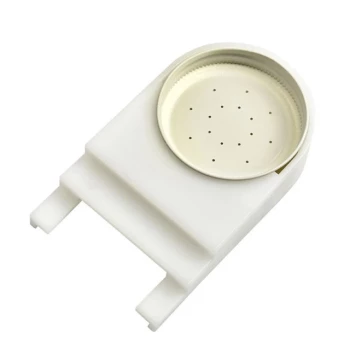
To prevent starvation when winter stores are depleted, you must immediately provide solid, carbohydrate-rich emergency feeds. The preferred options for this critical intervention are fondant, sugar cakes, dry sugar, or candy boards, which sustain the colony until natural nectar becomes available in the spring.
Core Takeaway Winter feeding is a survival measure, not a growth strategy. The goal is to provide accessible, high-carbohydrate energy to maintain warmth while limiting protein intake to prevent the colony from attempting to rear brood during the coldest months.
Selecting the Right Emergency Feed
The Four Primary Options
According to standard management practices, the most effective emergency resources are solid feeds. Specifically, you should utilize fondant, sugar cakes, dry sugar, or candy boards.
Why Solid Feeds are Preferred
These solid forms of sugar provide a dense energy source. They are distinct from the liquid syrups used in other seasons.
The Role of "Specialized" Winter Feed
Commercial or homemade winter feeds are formulated to be almost entirely carbohydrates. They are designed to keep the bees alive, not to stimulate growth.
Strategic Composition and Placement
Limiting Protein Content
It is critical that your winter feed contains only a very small amount of protein.
High protein levels signal the colony to begin rearing brood. Encouraging brood rearing prematurely during the winter can be disastrous, as it strains the colony's resources and energy reserves.
Placement is Critical
Simply putting food in the hive is not enough; it must be accessible to the winter cluster.
Honey bees in winter move as a cohesive unit and cannot travel far from the warmth of the cluster to forage within the hive.
Adjacent Positioning
You must position the supplemental feed immediately adjacent to the honey bee cluster or directly above it. This ensures the colony can access the energy source without breaking their thermal formation.
Understanding the Trade-offs
Liquid vs. Solid Feeds
While 2:1 sugar syrup is excellent for building weight in late August or early September, it is generally ill-suited for deep winter emergency feeding.
Introducing excess moisture through liquids during freezing temperatures can harm the colony. Stick to the solid options (fondant, dry sugar) once winter has set in.
The Risk of Pollen Substitutes
Pollen substitutes are valuable in late summer to build a population of "winter bees."
However, using them during the deep winter emergency phase is a trade-off you must manage carefully. Excess protein triggers brood rearing, which requires higher hive temperatures and consumes fuel faster, potentially accelerating starvation.
Making the Right Choice for Your Goal
Select your feed method based on the current season and the immediate status of the colony's resources.
- If your primary focus is preventing immediate starvation in deep winter: Use fondant, sugar cakes, or candy boards placed directly against the cluster.
- If your primary focus is preparing for winter in late August/September: Provide 2:1 sugar syrup and pollen substitutes to bulk up stores and build young bees.
- If your primary focus is managing spring transition: Continue with solid carbohydrates until natural nectar flows are confirmed to prevent late-season collapse.
Successful wintering relies on constant monitoring and the timely application of dry, accessible energy.
Summary Table:
| Feed Type | Best Usage Timing | Physical State | Primary Benefit |
|---|---|---|---|
| Fondant | Deep Winter Emergency | Solid / Pliable | Easy access for the cluster; low moisture |
| Sugar Cakes | Late Winter / Emergency | Solid | High energy density; easy to place above frames |
| Dry Sugar | Mid-Winter Emergency | Solid / Granular | Absorbs hive moisture; simple to apply |
| Candy Boards | All Winter Prevention | Solid | Large reserve of long-term carbohydrate storage |
| 2:1 Sugar Syrup | Late Summer / Early Fall | Liquid | Builds winter stores before temperatures drop |
Secure Your Apiary's Survival with HONESTBEE
Don't let depleted winter stores jeopardize your colony's health. At HONESTBEE, we specialize in supporting commercial apiaries and distributors with a comprehensive range of professional beekeeping tools, hive-making machinery, and essential consumables.
Whether you need specialized hardware to optimize your production or bulk supplies to maintain your hives through the harshest seasons, our expert team is here to provide the high-quality equipment your business demands.
Ready to scale your beekeeping operation or restock your inventory?
Contact us today to learn more about our wholesale offerings and how we can add value to your commercial apiary.
Related Products
- HONESTBEE Entrance Bee Feeder Efficient Hive Front Liquid Feeding Solution for Beekeeping
- HONESTBEE Entrance Bee Feeder Professional Hive Nutrition Solution for Beekeeping
- HONESTBEE Professional Entrance Bee Feeder Hive Nutrition Solution
- HONESTBEE Round Hive Top Bee Feeder for Syrup
- HONESTBEE Square Top Hive Bee Feeder Top Bee Feeder
People Also Ask
- What types of bee feeders are available for beginners? Start with the Simple Entrance Feeder
- What are the advantages and disadvantages of using an entrance feeder for bees? Balance Convenience and Hive Security.
- What is a bee entrance feeder and what are its drawbacks? Essential Guide to Hive Security and Feeding Efficiency
- How does a bee entrance feeder work? A Simple Guide to Convenient Hive Feeding
- How to make an entrance feeder for bees? A DIY Guide for Safe & Effective Feeding