The appropriate time to start feeding pollen substitute is in early spring, specifically following a light stimulatory feeding of syrup. This specific timing is required because the initial syrup feed triggers the queen to increase egg-laying, which subsequently creates an immediate biological demand for protein to rear the developing brood.
The effectiveness of pollen substitute depends entirely on the colony's brood status; you must first stimulate the queen with syrup to create the demand, then provide the substitute to ensure the resulting larvae do not starve.
The Biological Sequence of Feeding
Stimulate, Then Supplement
You cannot simply add pollen substitute in isolation and expect results. The process must begin with a light syrup stimulatory feed.
This artificial nectar flow signals to the queen that resources are abundant. She responds by breaking winter dormancy patterns and intensifying her egg-laying efforts.
Once eggs are laid, the metabolic needs of the colony shift. The developing larvae require substantial protein for growth, creating a deficit that only pollen (or its substitute) can fill.
Identifying the "Hunger Gap"
The goal of feeding substitute is to bridge the gap between the queen's activation and the natural bloom.
You should introduce substitute when there is a localized shortage of natural pollen. This often occurs when weather allows for flight and syrup feeding, but flowering plants and trees have not yet produced sufficient forage.
Critical Precautions: Managing Thermodynamics
The Heat Sink Effect
The most critical precaution involves the timing of the initial syrup feed. Do not feed syrup too early in the season.
Syrup is a liquid with high thermal mass. If introduced before ambient temperatures have stabilized, it acts as a heat sink.
This cold mass draws valuable warmth away from the brood nest. This forces the cluster to expend excessive energy maintaining hive temperature, which can stress or chill the very brood you are trying to stimulate.
Geographic Variability
There is no single calendar date for "early spring." The correct timing is dictated by your specific geographic location and the progression of the season.
You must observe your local climate rather than a calendar. Wait until the risk of severe cold snaps has passed to prevent the syrup from compromising the colony's thermal regulation.
Making the Right Choice for Your Goal
To apply this to your apiary, assess your specific objectives and local conditions:
- If your primary focus is rapid population buildup: Feed light syrup first to stimulate laying, then immediately follow with pollen substitute to support the new larval population.
- If your primary focus is colony survival and stability: Delay the introduction of syrup until temperatures are stable to avoid creating a heat sink that compromises the brood nest.
Success requires balancing the drive for growth with the physical limitations of the hive's environment.
Summary Table:
| Feeding Stage | Primary Goal | Timing Indicator | Key Consideration |
|---|---|---|---|
| Stimulatory Syrup | Trigger queen egg-laying | Stable early spring temps | Avoid 'heat sink' effect in cold weather |
| Pollen Substitute | Support larval development | Post-syrup stimulation | Bridge the gap until natural bloom |
| Natural Forage | Sustainable colony growth | Local floral bloom | Monitor intake as natural pollen increases |
Maximize Your Colony Potential with HONESTBEE
Success in commercial beekeeping starts with precision and the right resources. At HONESTBEE, we understand the complex biological needs of your apiary, from delicate spring feeding cycles to peak season honey production.
We provide a comprehensive wholesale range of specialized beekeeping tools, hive-making machinery, and honey-filling equipment designed specifically for commercial apiaries and distributors. Whether you need industrial-grade machinery to scale your operations or essential industry consumables to keep your colonies thriving, our expert solutions empower your business to grow.
Ready to scale your production? Contact us today to discover how our premium equipment and wholesale offerings can optimize your apiary's efficiency.
Related Products
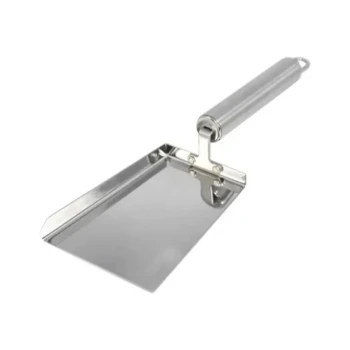
- Heavy-Duty Ergonomic Stainless Steel Pollen Shovel
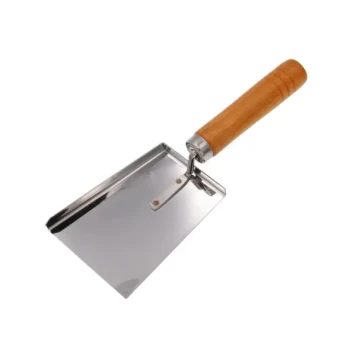
- Stainless Steel Pollen Shovel with Wooden Handle
- Removable Plastic Pollen Trap With Ventilated Tray for Bees Pollen Collector
- Heavy-Duty Ergonomic Grip Galvanized Pollen Shovel
- Plastic Bee Pollen Trap Strips Comb Catcher Collector
People Also Ask
- How is pollen cleaned after it has been dried? Master Efficient Separation for Pure Bee Pollen
- What methods are used to clean harvested bee pollen? Scale Your Beekeeping Operations with the Right Technique
- How can harvested bee pollen be cleaned to remove impurities? Efficient Methods for Commercial and Hobbyist Beekeepers
- How do bee pollen collection tools affect the quality of bee pollen used in functional dairy ice cream production?
- What is the technical significance of using specialized cutting tools for propolis? Master Precision Pollen Harvesting