The ideal time to mark a queen bee is strictly after she has completed her mating flights, commenced laying eggs, and fully established herself within the colony. Attempting to mark a queen before these critical biological milestones drastically increases the risk of the hive rejecting or physically harming her.
Core Takeaway Patience is the primary requirement for successful queen marking. You must wait until the queen is mated, laying, and accepted by the colony, and perform the procedure only during calm, pleasant weather to ensure the least amount of stress on the hive.
Determining the Biological Window
Wait for Mating Completion
You must never mark a virgin queen. A queen needs to remain agile and unencumbered to successfully perform her mating flights.
Adding extra weight or a foreign scent (paint) before she mates can interfere with her flight ability or attract predators.
Confirm the Laying Pattern
The definitive signal that it is safe to mark a queen is the presence of eggs.
Once she begins laying, her pheromones change, signaling to the colony that she is their permanent, fertile leader. This physiological change makes the workers less likely to view her as an intruder after you handle her.
Hive Acclimatization
If you are introducing a pre-mated queen from an outside source, do not mark her immediately upon release.
Allow the colony to settle into a routine with the new queen first. Wait until she has been fully accepted and the hive's temperament is stable before disrupting them again to mark her.
Environmental Considerations
Weather Conditions
The timing of the specific day is just as important as the queen's development.
Marking should only be performed on days with comfortable, pleasant weather. Cold, rainy, or windy weather makes the colony aggressive and increases the stress on the queen during handling.
Drying Time
The "when" also applies to the procedure itself: you must hold the queen for 30 seconds to one minute after applying the paint.
Releasing her too quickly allows the paint to smear or encourages attendant bees to clean it off immediately. The paint must be fully dry before she is returned to the frame.
Common Pitfalls to Avoid
The Risk of "Balling"
Marking a queen too early, or handling her roughly, can trigger a defensive reaction known as "balling."
This occurs when worker bees surround the queen in a tight cluster to overheat and kill her because they no longer recognize her scent or perceive her as damaged. Waiting for her to be fully established minimizes this risk.
Handling Virgin Queens
Virgin bees are significantly more "flighty" and faster than heavy, mated queens.
Attempting to catch and mark a virgin queen increases the likelihood that she will fly off the frame and be lost, or that you will accidentally crush her while trying to secure her.
Making the Right Choice for Your Goal
To ensure the longevity of your queen and the stability of your hive, apply these guidelines based on your specific situation:
- If your primary focus is raising your own queens: Wait until you visually confirm larvae or a solid pattern of eggs before attempting to capture and mark her.
- If your primary focus is introducing a purchased queen: Allow her at least one week of laying within your specific hive to ensure the colony has fully accepted her pheromones.
- If your primary focus is practice: Hone your technique on drones first to ensure you can apply the mark quickly and gently without stressing a valuable queen.
A marked queen is a valuable asset for management, but a live, unmarked queen is always better than a rejected one.
Summary Table:
| Factor | Ideal Condition | Reason for Importance |
|---|---|---|
| Biological Status | Mated and laying eggs | Ensures colony acceptance and prevents mating flight interference. |
| Weather | Warm, calm, and sunny | Minimizes hive aggression and reduces stress during handling. |
| Colony Status | Fully established/acclimatized | Prevents "balling" or rejection of the queen due to scent changes. |
| Drying Time | 30 to 60 seconds | Prevents paint smearing and immediate removal by worker bees. |
Maximize Your Apiary Productivity with HONESTBEE
Proper queen management is the backbone of a successful beekeeping operation. At HONESTBEE, we understand the needs of commercial apiaries and distributors. Whether you are scaling up production or supplying local beekeepers, we provide the full spectrum of professional-grade tools to support your goals. From precision queen-marking supplies and specialized hive-making machinery to honey-filling systems and cultural merchandise, our comprehensive wholesale offering ensures you have the competitive edge.
Ready to elevate your beekeeping business? Our team is dedicated to providing high-quality equipment and essential consumables tailored to your specific needs.
Contact HONESTBEE Today to discuss our wholesale solutions and discover how we can grow your apiary success together.
Related Products
- Durable Galvanized Steel Spring Queen Bee Cage
- Portable Queen Bee Incubator with 12V Car Adapter for Safe Transport
- Professional Queen Bee Introduction and Transport Cage
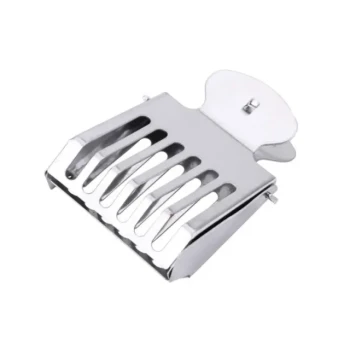
- Heavy Duty Stainless Steel Queen Bee Catcher Clip
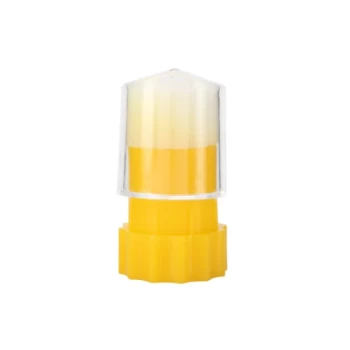
- Queen Bee Catcher Plastic Bee Marker Bottle with Piston Marking Tube
People Also Ask
- Why are specialized queen bee cages used for the banking of mated queen bees? Maximize Commercial Apiary Storage Efficiency
- What is the mechanism of action for using temporary queen bee cages? Master Successful Queen Introduction
- What is the step-by-step process for installing a queen bee's cage onto a frame? Ensure Hive Acceptance Safely
- What is the optimal placement for a queen bee cage? Essential Strategies for Successful Re-queening
- What are the advantages and disadvantages of introducing a queen bee by embedding the cage? Boost Your Queen Acceptance