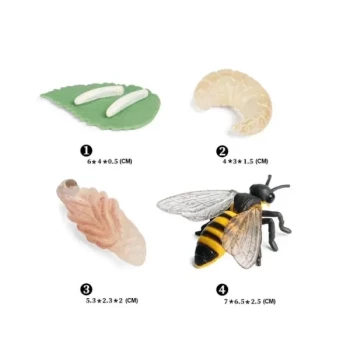
The most effective time to establish a new honeybee hive is during the spring months. For most regions in the United States, this specifically means installing your colony in March, April, or May. This timing allows the bees to synchronize their colony development with the natural growing season.
Success in beekeeping is measured by winter survival. Starting a hive in the spring provides the critical runway a colony needs to build infrastructure and stockpile the energy resources required to survive the following winter.
Why Spring is Critical for Colony Success
Aligning with Resource Availability
Honeybees rely entirely on the environment for their food. Starting in the spring aligns the colony’s establishment with the onset of the foraging season.
By starting in March or April, you ensure your bees are active when nectar and pollen are most abundant. This availability is the fuel required for rapid colony expansion.
Time to Build Infrastructure
A new hive does not start with a furnished home; the bees must build it. They need substantial time to secrete wax and construct the honeycomb.
This comb is the essential infrastructure where the queen lays eggs and where the colony stores food. Without a spring start, bees often lack the time to build the comb volume necessary for a mature colony.
Securing Winter Reserves
The ultimate goal of the bees' labor in the warmer months is surviving the cold months. A colony needs to store a massive amount of honey to act as fuel during the winter.
The primary reference notes that starting early ensures the bees have sufficient time to store enough honey to last through the winter dormancy.
Common Pitfalls: The Dangers of Starting Late
The Self-Sufficiency Gap
Late-year starts are strongly discouraged for new beekeepers. If a hive is established after May, the prime nectar flows may have already passed.
Consequently, the colony often fails to become self-sufficient. They cannot gather enough resources to feed the current population, let alone save for the future.
Inability to Overwinter
The primary risk of a late start is colony collapse during the following winter.
If the "runway" before winter is too short, the bees cannot build up the population or food stores required to generate heat. A hive started late is statistically less likely to see the following spring.
Making the Right Choice for Your Location
Beekeeping is local, but the principles of timing remain consistent.
- If your primary focus is maximum colony survival: Schedule your hive installation for March or April to utilize the full foraging season.
- If your primary focus is avoiding resource failure: Do not attempt to start a new hive late in the year, as the colony will likely not be self-sufficient before winter.
Timing your start correctly is the single most effective step you can take to ensure a thriving apiary.
Summary Table:
| Factor | Spring Startup (March - May) | Late Year Startup (June onwards) |
|---|---|---|
| Resource Availability | High nectar and pollen flows | Dwindling or finished nectar flows |
| Comb Building | Maximum wax production capacity | Insufficient time to build storage comb |
| Winter Preparation | Ample time to stockpile honey | High risk of starvation before winter |
| Colony Growth | Rapid population expansion | Stunted growth; lacks self-sufficiency |
| Survival Rate | High probability of overwintering | Statistically more likely to collapse |
Scale Your Apiary Operations with HONESTBEE
Starting your hives at the right time is just the first step—having the right equipment is what ensures long-term profitability. At HONESTBEE, we specialize in supporting commercial apiaries and distributors with high-performance beekeeping solutions. From industrial-grade honey-filling and hive-making machinery to essential consumables and honey-themed cultural merchandise, we provide the full spectrum of tools you need to succeed.
Whether you are expanding a commercial operation or stocking a distribution network, our wholesale offerings are designed for durability and efficiency. Contact us today to discuss how our premium hardware and industry expertise can optimize your beekeeping season!
Related Products
- HONESTBEE Professional Hive Top Bee Feeder Feeding Solution
- Stainless Steel Honey Bee Smoker Hive and Honeycomb Smoker for Beekeeping
- Assembled Wooden Bee Frames with Plastic Foundation for Durability and Convenience by HONESTBEE
- Professional Stainless Steel Pry-Bar Hive Tool
- HONESTBEE AC Powered Wire Embedder with Alligator Clips
People Also Ask
- How does a bee hive top feeder work? A Guide to Efficient, Protected Feeding
- What is a hive top feeder? A Guide to Efficient, Low-Stress Beekeeping
- Do I need an inner cover with a hive top feeder? Optimize Your Hive Setup for Healthy Bees
- What is a hive top feeder, and how does it work? A Complete Guide to Efficient In-Hive Feeding
- What are the characteristics, advantages, and disadvantages of hive top feeders? Optimize Your High-Volume Feeding