A queen excluder must be removed immediately after the nectar flow has ended and honey supers are harvested, and definitively before winter begins. The critical reason for this timing is to prevent the queen from being physically separated from the worker cluster during cold weather, which results in her freezing to death.
Core Takeaway During winter, a bee colony survives by clustering together and moving upward to consume honey stores. If a queen excluder is left in place, the worker bees will pass through it to access food and warmth, leaving the larger queen trapped below to perish in the cold.
The Biological Imperative for Removal
The primary driver for removing the excluder is the natural survival mechanism of the honeybee colony during the cold season.
The Winter Cluster Dynamic
Bees do not hibernate; instead, they form a tight cluster to generate heat. As the winter progresses, this cluster naturally migrates upward through the hive boxes to access the honey stored above them.
The Mechanical Trap
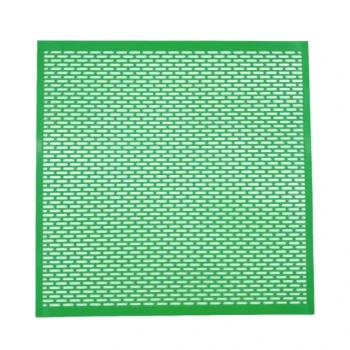
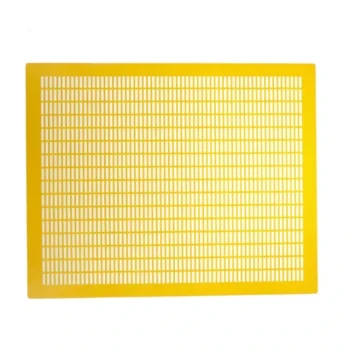
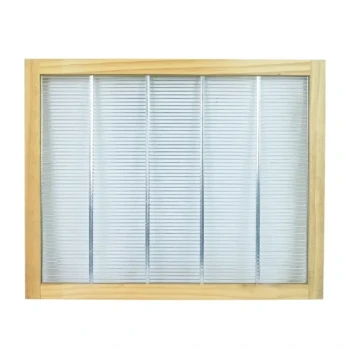
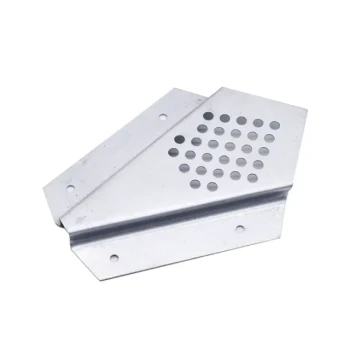
The queen excluder works by adhering to specific dimensions that allow small workers to pass while blocking the larger queen. While this is useful for honey production in summer, it becomes a fatal barrier in winter.
The Consequence of Separation
If the excluder remains, the worker bees will move up through the grid to stay with the food source. The queen, unable to squeeze through the metal or plastic slats, is left abandoned below the cluster where she will quickly freeze and die, causing the eventual loss of the entire colony.
Operational Timing
Knowing exactly when to intervene ensures you protect the queen without sacrificing your honey harvest.
After the Nectar Flow
Once the local flora stops producing nectar, the bees will cease filling the upper supers. At this stage, the excluder has fulfilled its purpose of keeping brood out of the honey and is no longer providing value.
During Honey Harvest
The most practical time to remove the device is when you physically remove the honey supers for extraction. Since you are already dismantling the upper layers of the hive, you should remove the excluder before closing the hive back up for the season.
Understanding the Trade-offs
While the primary risk is winter death, there are other considerations regarding the prolonged use of excluders.
Drone Entrapment
Like the queen, drones (male bees) are larger than worker bees and cannot pass through the excluder. Leaving the excluder on unnecessarily can trap drones, causing them to die and block the ventilation holes, or preventing them from exiting the hive to mate or void waste.
Impact on Worker Efficiency
Even for smaller worker bees, the excluder acts as a partial barrier that slows movement. Removing it when the honey season is over restores free movement throughout the hive, allowing the colony to regulate temperature and transport resources more efficiently.
Making the Right Choice for Your Goal
To ensure your colony survives and your equipment lasts, apply the following guidelines:
- If your primary focus is winter survival: Remove the excluder immediately after harvest to ensure the queen can travel upward with the warming cluster.
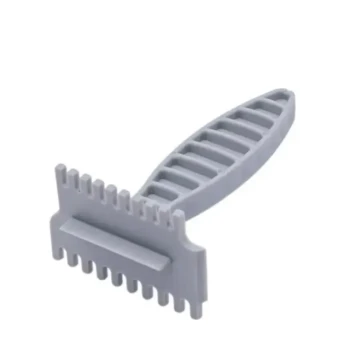
- If your primary focus is equipment maintenance: Remove the excluder in early autumn to scrape off burr comb and propolis, preventing it from becoming fused to the brood box.
The excluder is a tool for the harvest season only; leaving it on year-round is a mismanagement error that frequently kills colonies.
Summary Table:
| Factor | Recommended Action | Reason for Removal |
|---|---|---|
| Timing | Immediately after honey harvest | Prevents interference with winter cluster movement |
| Biological Risk | Remove before first frost | Queen cannot pass through; will freeze if separated from cluster |
| Hive Dynamics | Post-nectar flow | Allows drones to exit and workers to move freely |
| Maintenance | Early Autumn | Prevents propolis buildup and fusion to hive components |
Maximize Your Apiary Productivity with HONESTBEE
Protecting your colony starts with the right management and high-quality equipment. At HONESTBEE, we specialize in supporting commercial apiaries and distributors with a comprehensive range of professional beekeeping tools. From durable queen excluders and protective gear to advanced honey-filling and hive-making machinery, our wholesale solutions are designed to scale your operations efficiently.
Whether you are restocking essential consumables or upgrading your facility with industrial-grade hardware, we provide the expertise and inventory to help your business thrive. Partner with us to secure the best for your hives.
Contact HONESTBEE Today for Wholesale Inquiries
Related Products
- High Performance Plastic Queen Excluder for Beekeeping and Apiary Management
- Professional Plastic Queen Excluder for Modern Beekeeping
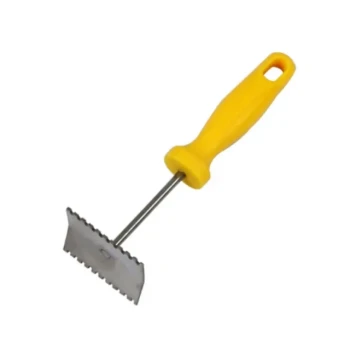
- Lightweight Durable Plastic Queen Excluder Scraper for Beekeeping
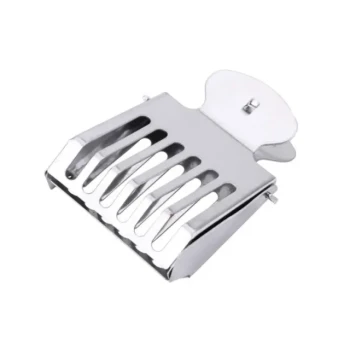
- Metal Queen Bee Excluder for Beekeeping
- Premium Wood Framed Metal Wire Queen Bee Excluder
People Also Ask
- What are the characteristics of a plastic queen excluder? Key Benefits for Cost-Effective Beekeeping
- What are the operational and cost advantages of using plastic queen excluders over metal or wire excluders in commercial hive management? Discover how they reduce labor, prevent wing damage, and lower total costs.
- What types of queen excluders are available for beekeepers? Choose the Right Tool for Your Hive
- Why are standardized hive frames and queen excluders essential for maintaining honey purity and quality? Scale Your Purity
- Do plastic queen excluders work? A Cost-Effective Solution for Modern Apiaries