Old brood comb should be retired and replaced with new foundation approximately every five years. This rotation is a critical component of hive hygiene, preventing the detrimental effects of physical debris buildup and the accumulation of chemical residues within the wax.
To maintain a healthy colony, you must view brood comb as a consumable resource rather than a permanent fixture; over time, cocoon buildup shrinks cell size and wax absorbs harmful contaminants, making replacement essential for long-term vitality.
The Physical Degradation of the Comb
The Accumulation of Old Cocoons
Every time a bee undergoes metamorphosis from larva to adult, it spins a cocoon within its cell. When the adult bee emerges, the cocoon sheds remain behind, effectively lining the walls of the cell.
Over years of repeated brood cycles, these layers of silk and debris accumulate. This buildup thickens the cell walls and creates a darker, heavier comb structure.
The Reduction of Cell Volume
The direct consequence of cocoon accumulation is that honeycomb cells become smaller.
As the available volume within the cell decreases, the space available for developing larvae is restricted. This physical alteration deviates from the bees' natural architecture and can impact the development of future generations.
The Chemical Risks of Aged Wax
Accumulation of Hive Treatments
Beeswax is lipophilic, meaning it readily absorbs and retains oil-soluble substances.
Over time, chemicals used to treat the hive—such as miticides or other medications—accumulate in the old comb. This creates a persistent low-level chemical exposure for the developing brood.
Environmental Contaminants
Beyond treatments applied by the beekeeper, the comb can act as a sink for environmental toxins.
Contaminants brought in by foragers from the surrounding landscape can become trapped in the wax. Retiring the comb is the only effective way to permanently remove this toxic load from the colony's environment.
Challenges and Considerations
The Cost of Wax Production
Replacing comb is not without cost to the colony. Bees consume significant amounts of honey and energy to secrete the wax needed to draw out new foundation.
Avoiding Shock to the Colony
Removing too many frames at once can destabilize the hive.
You must balance the need for clean wax against the resources required to rebuild it. A sudden removal of all brood frames would leave the queen with nowhere to lay and the colony with no storage space.
Implementing a Healthy Rotation Strategy
The 20% Guideline
To achieve a five-year turnover cycle without shocking the bees, many experts recommend replacing roughly 20% of your frames annually.
This usually equates to swapping out two old frames from a standard 10-frame box each year. This steady pace keeps the wax relatively fresh without overburdening the colony's wax-production capabilities.
Making the Right Choice for Your Goal
- If your primary focus is reducing chemical exposure: Prioritize culling the darkest, heaviest combs first, as these contain the highest concentration of absorbed treatments.
- If your primary focus is colony stability: Adhere strictly to a gradual rotation (2 frames per box/year) to ensure the bees always have sufficient drawn comb for immediate use.
Regularly rotating your brood comb is the single most effective proactive step you can take to reset the biological and chemical baseline of your apiary.
Summary Table:
| Factor | Impact of Old Comb | Benefit of Retirement |
|---|---|---|
| Cell Size | Smaller cells due to cocoon buildup | Restores natural volume for larval growth |
| Hygiene | Accumulation of pathogens and debris | Resets the biological baseline of the hive |
| Chemicals | Retention of miticides and toxins | Removes persistent environmental contaminants |
| Color/Weight | Dark, heavy, and thick-walled | Fresh, light wax improves hive ventilation |
| Rotation | Stagnant wax cycle | 20% annual replacement maintains stability |
Maximize Your Apiary's Vitality with HONESTBEE
Maintaining healthy brood cycles starts with high-quality foundation and reliable equipment. At HONESTBEE, we specialize in supporting commercial apiaries and distributors with a comprehensive range of professional beekeeping tools and machinery. Whether you need specialized hive-making machines to scale your operations or honey-filling equipment for your harvest, we provide the essential hardware and consumables required for a thriving business.
Ready to upgrade your wholesale supply or streamline your production? Contact us today to discover how our industry-leading solutions can enhance your efficiency and colony health.
Related Products
- Heart-Shaped Comb Honey Frame and Honeycomb Cassette
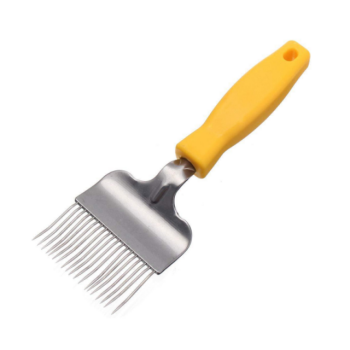
- Professional Bent Tine Honey Uncapping Fork with Ergonomic Grip
- Professional Wide Blade Honey Scraper for Beekeeping and Honey Processing
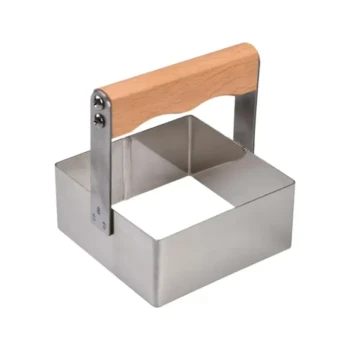
- Heavy Duty Stainless Steel Honeycomb Cutter
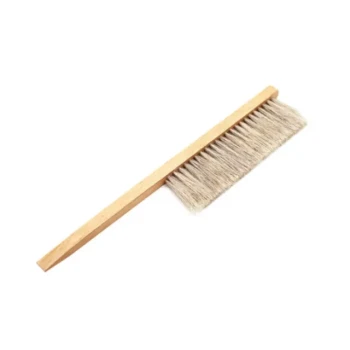
- Wooden Bee Brush with Double-Row Horsehair Bristles
People Also Ask
- How are honeybee combs utilized for non-destructive colony monitoring? Master Population Density Tracking
- What is a honeycomb frame? The Key to Modern, Sustainable Beekeeping
- What is the technical purpose of exchanging honeycomb frames? Master Apiary Equalization for Growth
- What frame to use for honeycomb? Choose the Right System for Pure, Edible Comb
- What is the significance of sampling honeycomb frames and hive bottoms? A Guide to Scientific Sanitation Monitoring