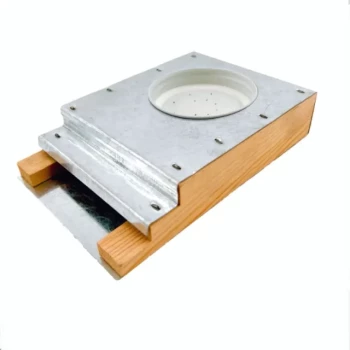
Artificial feeding products are the primary defense against the inherent volatility of nature in apiary management. These consumables, such as sugar syrup and solid patties, serve as vital nutritional bridges that sustain honeybee colonies when natural resources like nectar and pollen are unavailable, insufficient, or depleted. By supplementing energy, beekeepers prevent starvation and maintain colony population levels during critical non-foraging periods.
The Core Insight Natural nectar flows are rarely consistent enough to guarantee year-round colony health in a managed setting. Artificial feeds turn beekeeping from a passive reliance on nature into an active management system, ensuring survival during droughts and winter while enabling explosive growth in the spring.
Ensuring Survival During Resource Scarcity
Overwintering and Maintenance
The primary function of artificial feed is to act as an energy reservoir during winter. When foraging is impossible, bees rely entirely on stored food to generate heat and survive.
Feeds like solid sugar patties or heavy syrup provide the dense calories required to mitigate survival pressures. This intervention ensures the colony maintains a strong population capable of emerging into spring, rather than collapsing due to starvation.
Bridging Floral Gaps
Even during active seasons, colonies face "dearth" periods—times when flowers are not blooming or extreme weather prevents foraging.
Supplementary feeds serve as a survival safeguard during these gaps, particularly during droughts. They provide an immediate caloric intake that prevents the colony from consuming its long-term winter stores prematurely.
Optimizing Growth and Production
Stimulating Spring Brood Rearing
Beyond survival, artificial feeding is a strategic tool for growth acceleration. In the spring, "stimulative feeding" mimics an early nectar flow.
This encourages the queen to lay eggs and accelerates brood rearing. The goal is to ensure the colony reaches peak foraging strength exactly when the major natural nectar flows begin, maximizing the eventual honey harvest.
Stabilizing Royal Jelly Production
For specialized production, consistency is key. Sucrose syrup at a 50 wt.% concentration effectively mimics the energy density of natural nectar.
This specific concentration serves as a vital carbon source that stimulates the nursing instincts of worker bees. This ensures consistent, stable royal jelly production even when natural nectar sources are scarce or fluctuating.
Understanding the Trade-offs
Supplementation vs. Replacement
While essential, these products are designed to be supplements, not permanent replacements. They mimic the energy density of nectar but lack the complex micronutrients found in diverse natural pollens.
Cost and Management Overhead
Relying on artificial feed requires precise timing and financial investment.
Feeding too early in winter can stimulate brood rearing when it is too cold to support it. Feeding too late in spring may result in missed opportunities for population growth. Effective use requires constant monitoring of local floral conditions.
Making the Right Choice for Your Goal
- If your primary focus is Overwintering Survival: Prioritize energy-dense feeds like solid patties or heavy syrup to build up stores without stimulating premature brood rearing.
- If your primary focus is Spring Buildup: Utilize a 50% sucrose syrup concentration to mimic natural nectar, triggering the colony’s instinct to expand the population.
- If your primary focus is Production Stability: Use feed as a stop-gap during floral droughts to maintain consistent royal jelly output and preventing population decline.
Success in apiary management lies in using artificial feed not just to keep bees alive, but to synchronize their peak health with the rhythm of the seasons.
Summary Table:
| Feeding Goal | Recommended Product Type | Primary Benefit |
|---|---|---|
| Overwintering | Solid Sugar Patties / Heavy Syrup | Provides energy reservoir and prevents winter starvation |
| Spring Buildup | 50% Sucrose Syrup | Stimulates queen laying and accelerates brood rearing |
| Production Stability | Light Syrup (Nectar Mimic) | Maintains royal jelly output and colony health during droughts |
| Resource Scarcity | Supplementary Feed | Safeguards colony when natural nectar flows are depleted |
Maximize Your Apiary Productivity with HONESTBEE
As a commercial apiary owner or distributor, you know that consistent nutrition is the backbone of a profitable season. HONESTBEE specializes in empowering large-scale operations with a comprehensive wholesale range of beekeeping essentials.
From high-efficiency machinery like hive-making and honey-filling systems to the vital consumables and specialized hardware needed to maintain colony health, we provide the tools you need to scale. Our portfolio is designed to help you transition from passive reliance on nature to an active, high-yield management system.
Ready to upgrade your equipment or restock essential supplies?
Contact HONESTBEE Today for Wholesale Pricing
References
- Juan Lerdón, Eduardo Macario Moctezuma Navarro. Análisis económico de una unidad productiva de miel, localizada en el sector Antilhue. DOI: 10.4206/agrosur.2017.v45n2-01
This article is also based on technical information from HonestBee Knowledge Base .
Related Products
- HONESTBEE Professional Hive Top Bee Feeder Feeding Solution
- Classic Boardman Entrance Bee Feeder Hive Front Feeding Solution
- HONESTBEE Entrance Bee Feeder Efficient Hive Front Liquid Feeding Solution for Beekeeping
- Professional In-Hive Bee Feeder HONESTBEE Frame for Beekeeping
- Professional In-Hive Frame Bee Feeder by HONESTBEE
People Also Ask
- How does a bee hive top feeder work? A Guide to Efficient, Protected Feeding
- Do I need an inner cover with a hive top feeder? Optimize Your Hive Setup for Healthy Bees
- What is a hive top feeder? A Guide to Efficient, Low-Stress Beekeeping
- What is a hive top feeder, and how does it work? A Complete Guide to Efficient In-Hive Feeding
- What are the characteristics, advantages, and disadvantages of hive top feeders? Optimize Your High-Volume Feeding