The primary value of fine fiber brushes lies in their ability to manipulate live Varroa mites with extreme gentleness, preventing physical trauma during transfer. Specifically, brushes such as size 0000 are used to move mites from hosts to experimental apparatuses without damaging their delicate appendages. Beyond simple transport, these tools are essential for cleaning residual debris, such as powdered sugar, from the mite's body to ensure its sensory organs remain unobstructed and functional.
The indispensability of fine fiber brushes lies in their ability to maintain the biological integrity of the specimen. By preventing mechanical stress and removing debris, these tools ensure that Varroa mites remain viable and behaviorally authentic for accurate experimental data.
Preserving Physical Integrity
The most immediate challenge in parasitology is moving a microscopic subject without altering its physical state.
Minimizing Mechanical Stress
Fine natural-bristle brushes provide the necessary softness and tactile sensitivity required for this task.
Unlike rigid tools like forceps, these brushes allow researchers to pick up and transfer individual mites with minimal mechanical pressure.
Protecting Delicate Anatomy
The complex exoskeleton and mouthparts of the Varroa mite are susceptible to damage during extraction.
Using a fine fiber brush prevents crushing or tearing these structures, particularly when extracting mites from difficult surfaces like brood caps or larval bodies.
Ensuring Specimen Vitality
For experiments involving inoculation—where mites are introduced to new honeybee colonies—the mite must arrive in full health.
By avoiding mechanical injury during the transfer from collection papers to brood cells, researchers significantly increase the success rate of inoculation and the subsequent survival of the parasite.
Maintaining Behavioral Authenticity
Physical survival is not enough; the mite must also behave naturally for experiment results to be valid.
Cleaning Sensory Organs
Mites rely heavily on their sensory organs to navigate and locate hosts.
If these organs are covered in debris, the mite's behavior will be altered, rendering behavioral studies inaccurate.
Removing Residual Powders
A common collection method involves shaking bees with powdered sugar to dislodge mites.
Fine fiber brushes are uniquely suited to gently sweep this residual powder off the mite’s body surface, restoring the mite's sensory capabilities without harming it.
Understanding the Limits of Manual Handling
While fine fiber brushes are the gold standard for quality, they present specific operational trade-offs.
The Cost of Precision
This method is inherently manual and labor-intensive.
It requires a high degree of manual dexterity and patience, making it ill-suited for high-throughput scenarios where speed is the primary metric.
Dependency on Operator Skill
The "softness" of the transfer is somewhat subjective and relies on the researcher's steady hand.
An inexperienced handler can still damage a mite even with the correct brush if too much pressure is applied during the cleaning or lifting process.
Maximizing Experimental Success
To ensure your data is reliable, choose your handling method based on the specific requirements of your protocol.
- If your primary focus is behavioral research: Use the brush to meticulously remove all residual powders to ensure sensory organs are unobstructed.
- If your primary focus is colony inoculation: Prioritize the softness of natural fibers to prevent mouthpart damage and ensure the mite can feed immediately upon transfer.
Success in Varroa research depends not just on finding the mite, but on ensuring the specimen you test is physically and sensually intact.
Summary Table:
| Feature | Benefit for Varroa Mite Research |
|---|---|
| Soft Natural Bristles | Minimizes mechanical stress and prevents crushing delicate appendages. |
| Tactile Sensitivity | Allows high-precision manipulation of microscopic subjects during transfer. |
| Cleaning Capability | Effectively removes residual powders/debris from sensory organs. |
| Inoculation Success | Increases survival rates when introducing mites to new honeybee colonies. |
Elevate Your Beekeeping Research with HONESTBEE
At HONESTBEE, we understand that precision is the foundation of successful apiculture and parasitology research. As a leading provider for commercial apiaries and distributors, we offer a comprehensive wholesale range of professional-grade beekeeping tools, specialized machinery, and essential consumables.
Whether you are looking for high-precision tools for laboratory research or industrial-scale honey-filling machines, HONESTBEE provides the quality hardware you need to maintain biological integrity and operational efficiency. Partner with us to scale your operations—contact us today to explore our wholesale offerings!
References
- Brandon Mukogawa, James C. Nieh. The Varroa paradox: infestation levels and hygienic behavior in feral scutellata-hybrid and managed Apis mellifera ligustica honey bees. DOI: 10.1038/s41598-023-51071-7
This article is also based on technical information from HonestBee Knowledge Base .
Related Products
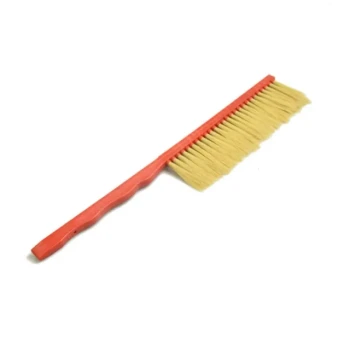
- Plastic Handle Single Row Artificial Fiber Bee Brush
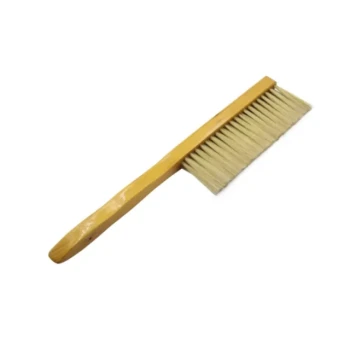
- Wooden Bee Brush with Triple Row Artificial Fiber for Beekeeping
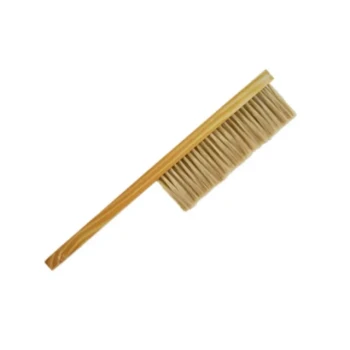
- Double Row Artificial Fiber Bee Brush for Beekeeping
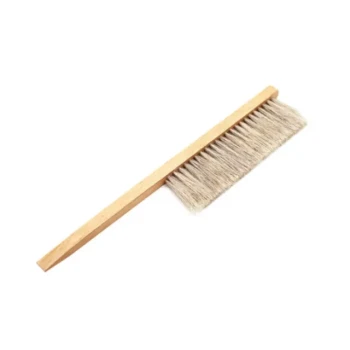
- Wooden Bee Brush with Double-Row Horsehair Bristles
- Premium Triple-Row Horsehair Bee Brush
People Also Ask
- What is the specific function of a bee brush? Ensure Pure Harvests and Colony Welfare During Honey Extraction
- What is the purpose of using a bee brush during the inspection of hive components? Safe & Precise Hive Management
- What problem does a bee brush solve? Protect Your Colony with Gentle Precision Tools
- What are the key features of a popular bee brush? Essential Design for Bee Safety and Hive Hygiene
- What are the key characteristics of the bristles on a bee brush? Master Gentle and Efficient Bee Removal