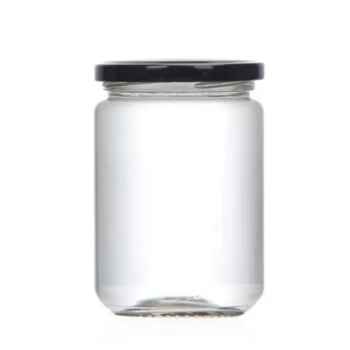
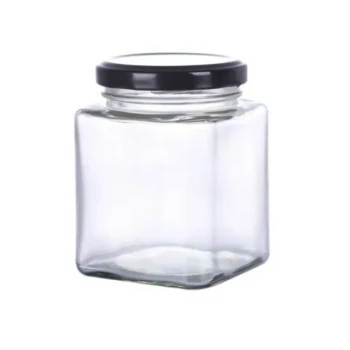
Glass containers are universally regarded as the superior choice for storing stingless bee honey because they provide a chemically inert environment that does not react with the honey's unique biological composition. By offering an exceptional airtight seal, glass effectively locks out moisture and oxygen, preventing rapid fermentation and preserving the volatile medicinal properties that define this high-value product.
The Core Insight Stingless bee honey differs from standard honey due to its higher moisture content, high acidity, and complex enzymatic activity, making it naturally unstable. Glass is the only material that provides the necessary chemical stability and barrier protection to transform a perishable raw ingredient into a shelf-stable, medicinal-grade supplement.
Preserving Chemical Integrity
Unmatched Chemical Inertness
Stingless bee honey is distinctively acidic and rich in bioactive compounds. Glass is chemically inert, meaning it will not react with these acids or leach foreign substances into the honey.
This neutrality ensures that the flavor profile and safety of the honey remain unaltered. Unlike some plastics or metals, glass guarantees that the product inside is exactly what nature intended.
Protecting Bioactive Components
The primary value of stingless bee honey lies in its enzymes, antioxidants, and phenolic compounds. Glass acts as a stabilizer, preventing chemical reactions that would otherwise degrade these sensitive medicinal elements.
By maintaining this stability, the honey retains its anti-inflammatory and antioxidant activities, which are critical for its classification as a functional food.
Preventing Fermentation and Spoilage
The Moisture Control Barrier
Stingless bee honey has a significantly higher moisture content than common honey, making it highly susceptible to fermentation. Glass offers superior impermeability, creating a barrier that completely blocks the entry of external moisture.
Stopping Oxidation
In addition to moisture, exposure to oxygen can degrade the quality of the honey. Glass containers provide a hermetic (airtight) seal that prevents oxidation.
This isolation from the atmosphere is critical for inhibiting microbial activity. It ensures the honey remains stable during storage and transportation, significantly extending its viable shelf life.
Enhancing Economic Value
Enabling Natural Aging
Under the stable conditions provided by glass, stingless bee honey can undergo a beneficial natural aging process. Over several months, this controlled environment allows for a reduction in moisture and an increase in antioxidant concentration.
This maturation process enhances the health benefits of the honey, directly increasing its market value.
Consumer Trust and Positioning
The transparency of glass allows for clear visual presentation, enabling consumers to inspect the consistency and color of the product. This visual clarity builds trust and supports a "premium" market positioning, justifying the higher price point often associated with stingless bee honey.
Understanding the Trade-offs
Light Sensitivity
While clear glass is excellent for display, it offers poor protection against UV light. Ultraviolet and visible light can cause photochemical degradation of the honey's light-sensitive bioactive substances.
Fragility and Logistics
Glass is heavier and more fragile than food-grade plastic. This increases transportation costs and requires more robust packaging solutions to prevent breakage during shipping.
Making the Right Choice for Your Goal
To maximize the potential of your stingless bee honey, select your glassware based on your specific end-goal:
- If your primary focus is Medicinal Potency: Use sterile amber glass containers to block UV light and prevent the degradation of light-sensitive phenolic compounds.
- If your primary focus is Retail Appeal: Use high-quality clear glass to showcase the product's purity and build consumer confidence through visual inspection.
- If your primary focus is Long-Term Maturation: Ensure the glass container has a high-integrity seal to allow for safe physicochemical changes without the risk of spoilage.
By selecting the right glass vessel, you protect not just the liquid, but the potent biological engine that makes stingless bee honey unique.
Summary Table:
| Feature | Benefit for Stingless Bee Honey | Impact on Product |
|---|---|---|
| Chemical Inertness | No leaching or reaction with high acidity | Maintains purity & flavor |
| Airtight Seal | Blocks moisture and oxygen entry | Prevents rapid fermentation |
| UV Protection | Available in amber glass to block light | Preserves bioactive enzymes |
| Transparency | High visual clarity for consumers | Supports premium positioning |
| Stability | Enables controlled natural aging | Increases antioxidant levels |
Elevate Your Honey Production with HONESTBEE
At HONESTBEE, we understand that premium honey deserves premium protection. We cater to commercial apiaries and distributors by providing a comprehensive wholesale range of professional beekeeping tools, honey-filling machinery, and high-quality storage solutions. Whether you need specialized hardware to maintain product integrity or honey-themed merchandise to expand your brand, we deliver the expertise and equipment you need to succeed.
Ready to scale your stingless bee honey business? Contact us today to discover how our tailored solutions can optimize your operations and increase your market value.
References
- Roberta Monique Amâncio de Carvalho, José da Silva Mourão. Meliponiculture in Quilombola communities of Ipiranga and Gurugi, Paraíba state, Brazil: an ethnoecological approach. DOI: 10.1186/1746-4269-10-3
This article is also based on technical information from HonestBee Knowledge Base .
Related Products
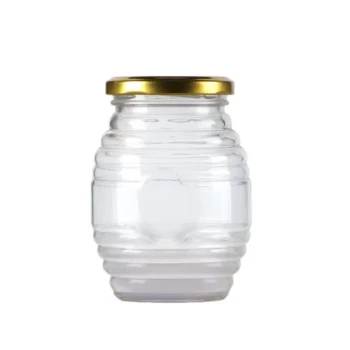
- Classic Glass Honey Jar with Metal Lug Cap for Beehive Storage
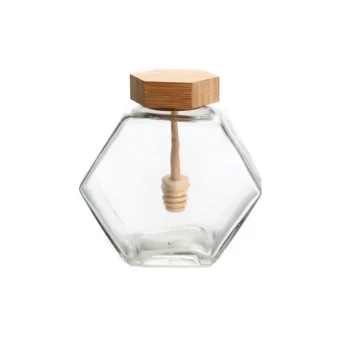
- Hexagonal Glass Honey Jar with Wooden Lid Integrated Dipper Elegant Functional Storage
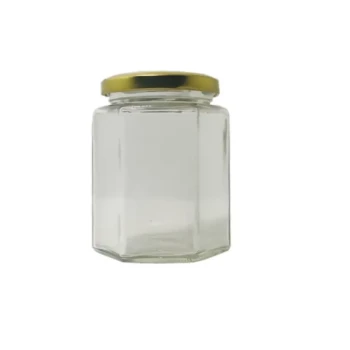
- Hexagonal Glass Honey Jars with Metal Lug Caps Elegant Versatile Packaging
- Classic Drum Shaped Glass Honey Jar with Airtight Lid
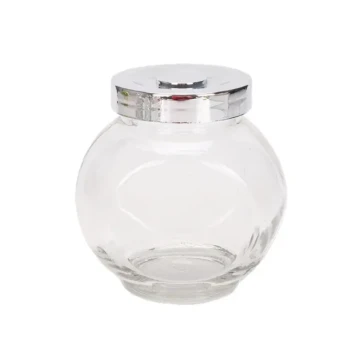
- Classic Round Glass Honey Jar with Lid
People Also Ask
- What are the benefits of glass jars regarding strength and safety for storing honey? Ensure Purity and Long-Term Quality
- What are the advantages of using glass jars for honey storage? Ensure Purity and Premium Appeal for Your Product
- What are the benefits of using high-transparency Glass Jars for honey? Elevate Purity and Premium Branding
- What is the aesthetic appeal of using glass jars for honey? Elevate Your Brand with Premium Packaging
- Which container is best for storing honey? Preserve Purity & Flavor with the Right Choice