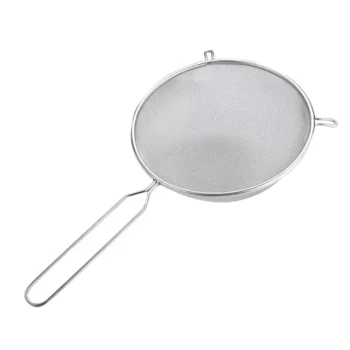
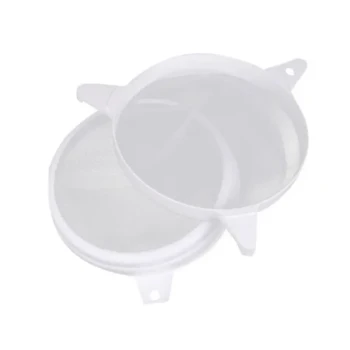
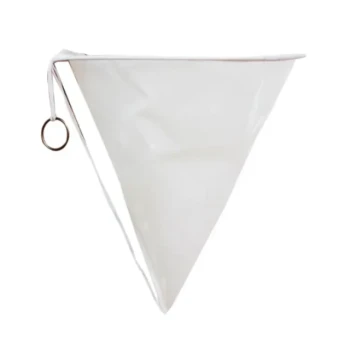
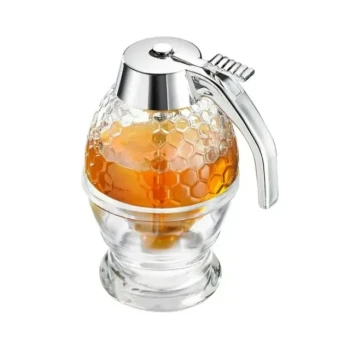
Raw honey extracted via centrifugation is inherently impure, laden with wax debris, air bubbles, and various organic suspended solids. High-precision filtration systems and settling tanks are essential because they function as the critical "kidneys" of the processing line, transforming raw agricultural yield into a stable, clear, and commercially viable product. While filtration actively screens out physical contaminants, settling tanks employ gravity to naturalize the texture and remove trapped air, ensuring the final product is both safe for consumption and visually appealing.
Core Takeaway: The synergy between filtration and settling is the industry standard for quality assurance. Filtration provides the mechanical removal of solids to meet hygiene benchmarks, while settling tanks utilize gravity and time to remove air and stabilize the product, ensuring clarity without destroying the honey's natural nutritional value.
The Role of High-Precision Filtration
Filtration is the active stage of purification. It is designed to address physical contaminants that compromise the safety and texture of the honey.
Removal of Insoluble Solids
Raw honey often contains pollen, hive debris, bee fragments, and sand. High-precision filtration systems use multi-stage screening to mechanically remove these insoluble solids.
For commercial and medicinal grade honey, keeping insoluble solid content below specific limits (such as 0.1%) is a core criterion for cleanliness.
Enhancing Sensory Quality
Consumers equate clarity with quality. By precisely controlling filtration accuracy, these systems remove impurities that cause cloudiness or gritty textures.
This process significantly enhances the color and visual transparency of the honey, which is particularly vital for premium dark monofloral varieties where appearance is a key selling point.
Prevention of Contamination
Beyond aesthetics, filtration is a safety measure. It removes foreign matter that could act as a vector for bacterial growth or spoilage.
Using professional food-grade equipment during this stage prevents the introduction of secondary pollutants, such as heavy metals, ensuring the product meets strict food hygiene standards.
The Function of Settling Tanks
Settling tanks represent the passive, restorative stage of processing. They are necessary to correct issues caused by extraction and filtration, such as aeration.
Gravitational Separation
Settling tanks utilize gravity to separate materials based on density. When honey is left undisturbed, usually for at least 48 hours, air bubbles and low-density impurities rise to the surface as "foam."
Simultaneously, heavier particles that may have bypassed initial filtration settle at the bottom, allowing for a pure "middle cut" of honey to be drawn off for bottling.
De-Aeration and Homogenization
The extraction process introduces significant amounts of air into the honey. Settling tanks allow these micro-bubbles to escape naturally, preventing a cloudy appearance in the final jar.
This stage also allows the honey to homogenize and balance with the ambient temperature, ensuring consistent physical properties before the bottling phase.
Preservation of Bioactive Components
Unlike aggressive heating or high-pressure processing, settling is a gentle process. It achieves high purity without subjecting the honey to mechanical stress.
When operated in a controlled environment (typically 25 to 30 degrees Celsius), settling tanks clarify the honey while specifically preserving natural minerals and bioactive nutritional components.
Understanding the Trade-offs
While these systems are essential, improper application can lead to diminished product value. It is critical to balance purification with preservation.
Precision vs. Over-Processing
The goal of filtration is to remove debris, not nutrition. An overly aggressive filtration system can strip away too much pollen, which removes the honey's botanical "fingerprint" and nutritional benefits.
Equipment must be calibrated to remove wax and bee parts while allowing natural minerals and acceptable pollen levels to pass through.
Temperature Management
Settling tanks require strict temperature control. If the temperature is too low, separation will not occur; if it is too high (above 30 degrees Celsius), the heat may degrade enzymes and flavor compounds.
Operators must maintain the 25–30 degree Celsius window to ensure the honey flows well enough for bubbles to rise without incurring heat damage.
Making the Right Choice for Your Goal
The specific configuration of your filtration and settling stages should depend on your final product requirements.
- If your primary focus is Medicinal Grade Honey: Prioritize high-precision filtration to ensure insoluble solids are strictly kept below 0.1% for maximum hygiene and safety.
- If your primary focus is Premium Raw Honey: Rely more heavily on large settling tanks and coarser filtration to maximize the retention of pollen and bioactive enzymes.
- If your primary focus is Mass Market Retail: utilize a rigorous combination of both to ensure absolute visual clarity and prevent crystallization triggers, maximizing shelf-life stability.
By integrating these technologies correctly, you ensure your honey is not only pure and safe but also retains the natural characteristics that define its value.
Summary Table:
| Feature | High-Precision Filtration | Settling Tanks |
|---|---|---|
| Primary Function | Active mechanical removal of solids | Passive gravitational separation |
| Key Targets | Wax debris, bee fragments, sand | Air bubbles, foam, micro-impurities |
| Core Benefit | Ensures hygiene & meets food standards | Natural de-aeration & homogenization |
| Processing Style | Rapid, multi-stage screening | Gentle, time-based stabilization |
| Preservation | Maintains specific pollen levels | Protects enzymes & bioactive components |
Maximize Your Honey Purity with HONESTBEE Solutions
At HONESTBEE, we understand that commercial success depends on the perfect balance between purification and preservation. We cater to commercial apiaries and distributors worldwide by providing a comprehensive wholesale offering of professional-grade honey processing technology.
From high-precision filtration systems and temperature-controlled settling tanks to specialized honey-filling machines and complete hive-making hardware, we supply the full spectrum of equipment and consumables needed to scale your operations.
Ready to enhance your product quality and shelf-life? Contact our experts today to discover how our tailored machinery and industry expertise can streamline your production line.
References
- Arianna Pignagnoli, Aldo Dal Prà. Greenhouse Gas (GHG) Emissions from Honey Production: Two-Year Survey in Italian Beekeeping Farms. DOI: 10.3390/ani13040766
This article is also based on technical information from HonestBee Knowledge Base .
Related Products
- Electric Double Wall Honey Filtering Machine Purifier Equipment for Honey Processing Plant
- Honey Concentrating and Filtering Dehumidifier Machine 2T Capacity for Honey
- Professional Honey Filter with Tripod Support Stand
- 0.5T Capacity Honey Dehumidifier Dryer with Vacuum Heating and Thickening Filtering Machine
- Professional Stainless Steel Honey Filtering Machine with Water Bath Heating for Beekeeping
People Also Ask
- What types of equipment are used in honey filtering? Build an Efficient System for Pure, Marketable Honey
- What is the process of filtering honey? A Guide to Clean, Pure, and Market-Ready Honey
- What is the overall importance of using the right equipment in honey filtering? Boost Quality & Marketability
- Why is filtering important in honey processing, and what equipment is used? A Guide to Quality & Efficiency
- What is a potential concern associated with filtering honey? Balancing Clarity and Pollen Preservation