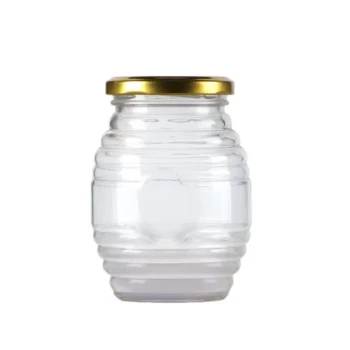
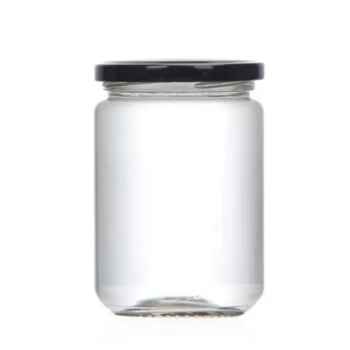
High-transparency glass wide-mouth jars are the industry standard for honey sampling because they effectively balance chemical neutrality with physical accessibility. They ensure the sample's acidity and Hydroxymethylfurfural (HMF) levels remain unaltered by the container, while the wide opening allows for lossless collection of viscous fluids and the transparent walls permit critical visual inspection of the sample's homogeneity.
The Core Insight Analytical accuracy begins with sample integrity. High-transparency wide-mouth jars are preferred not just for convenience, but because they eliminate two major sources of error: chemical contamination from container leaching and non-representative sampling due to undetected crystallization or layering.
Preserving Chemical Identity
Honey is a chemically complex, acidic substance. The primary reason for selecting glass is its chemical inertness, which guarantees that the container acts as a neutral vessel rather than a reactant.
Preventing Chemical Migration
Honey is naturally acidic. Unlike plastic or metal, glass does not react with these organic acids. This stability prevents the migration of container materials—such as plasticizers or metallic ions—into the sample, ensuring that subsequent chemical analysis reflects the honey, not the packaging.
Stabilizing Key Indicators
To obtain accurate laboratory results, the sample must maintain its original biochemical profile. Glass containers are essential for preserving critical quality indicators, specifically acidity levels and Hydroxymethylfurfural (HMF) content. Using a reactive container would skew these metrics, rendering stability tests invalid.
Protecting Enzyme Activity
Glass offers superior isolation properties compared to other materials. This helps protect heat-sensitive enzymes, such as catalase and amylase, from degradation in room-temperature laboratory environments. Preserving these enzymes is vital for assessing the honey's freshness and biological activity.
Optimizing Collection and Pretreatment
The physical properties of honey—specifically its high viscosity and stickiness—dictate the need for specific container geometry.
Lossless Sample Collection
The wide-mouth design is a functional necessity for handling viscous fluids. It allows instruments to reach the bottom of the jar easily, facilitating the "lossless" transfer of samples. Narrow-neck bottles would result in significant sample retention and wastage during transfer.
Facilitating Homogenization
Pretreatment often requires mixing or diluting the honey. A wide opening provides sufficient space for stirring and homogenization directly within the collection vessel. This ensures that microorganisms or chemical compounds are uniformly distributed before an aliquot is taken for testing.
Combating Hygroscopy
Honey is highly hygroscopic, meaning it readily absorbs moisture from the air. High-quality glass jars with tight seals offer excellent airtightness, preventing environmental moisture infiltration. This stabilizes the water content, a critical parameter in preventing fermentation and verifying quality.
The Critical Role of Transparency
While chemical stability can be achieved with opaque materials, transparency provides a unique analytical advantage during the pretreatment phase.
Visual Verification of State
Laboratory personnel must be able to inspect the honey without opening the jar and breaking the seal. Transparency allows for the immediate detection of crystallization or layering.
Ensuring Representative Sampling
If honey separates or crystallizes, a sample taken from the top may differ chemically from the bottom. Transparency ensures the technician can see these inconsistencies and homogenize the bulk product properly before testing, guaranteeing the data represents the entire lot.
Understanding the Trade-offs
While high-transparency jars are preferred for physical handling and inspection, they introduce a specific vulnerability that must be managed.
The Risk of Photodegradation
Transparency allows light to penetrate the sample. Light exposure can trigger photochemical reactions that increase HMF levels and deactivate light-sensitive enzymes and antioxidant components.
Managing the Environment
To mitigate this, high-transparency jars should not be stored in direct light. While dark glass offers better light protection, it hinders the visual inspection required for pretreatment. Therefore, the standard protocol is to use transparent jars for collection and inspection, but to store them in light-protected environments (dark cabinets or boxes) to preserve photosensitive compounds.
Making the Right Choice for Your Goal
Selecting the correct sampling vessel depends on which analytical parameters are critical to your study.
- If your primary focus is Physical handling and Homogeneity: Use transparent wide-mouth glass. The ability to visually confirm crystallization and mix the sample thoroughly outweighs light risks, provided storage is dark.
- If your primary focus is Trace Contaminant Analysis: Use glass over plastic. The chemical inertness is non-negotiable to prevent plasticizer interference with mass spectrometry results.
- If your primary focus is Long-term Storage of Photosensitive Enzymes: Consider amber glass, or strictly enforce dark storage protocols for transparent jars to prevent enzyme inactivation.
Summary: Use high-transparency wide-mouth glass to ensure your honey sample remains chemically pure, physically accessible, and visually verifiable throughout the pretreatment process.
Summary Table:
| Feature | Benefit for Honey Sampling | Impact on Analysis |
|---|---|---|
| High Transparency | Visual inspection of crystallization/layering | Ensures representative, homogeneous samples |
| Wide-Mouth Design | Easy access for stirring and lossless transfer | Simplifies pretreatment of viscous fluids |
| Chemical Inertness | Prevents leaching of plasticizers or metals | Maintains original acidity and HMF levels |
| Airtight Sealing | Blocks environmental moisture infiltration | Stabilizes water content and prevents fermentation |
| Material Stability | Protects heat-sensitive enzymes | Preserves biological activity for freshness testing |
Elevate Your Honey Quality Control with HONESTBEE
Precision in sampling is the first step toward premium honey production. At HONESTBEE, we empower commercial apiaries and distributors with the specialized tools needed to maintain the highest industry standards.
From high-precision honey-filling machines to a complete range of wholesale beekeeping equipment and consumables, we provide the hardware and expertise to streamline your operations. Whether you are scaling a commercial apiary or supplying the global market, our comprehensive portfolio is designed to enhance your efficiency and product integrity.
Ready to upgrade your beekeeping infrastructure?
Contact HONESTBEE Today to explore our wholesale solutions and cultural merchandise tailored for industry leaders.
References
- Gül Banu Çiçek Bideci, Sibel KARASALİHOĞLU. A retrospective study: physicochemical properties of the flower honey from the Black Sea region of Turkey in different years. DOI: 10.1590/fst.58120
This article is also based on technical information from HonestBee Knowledge Base .
Related Products
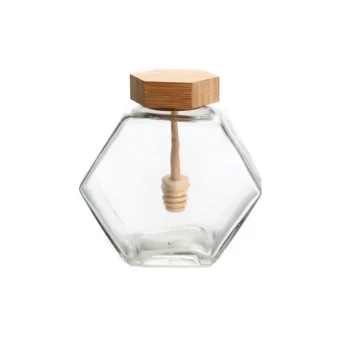
- Hexagonal Glass Honey Jar with Wooden Lid Integrated Dipper Elegant Functional Storage
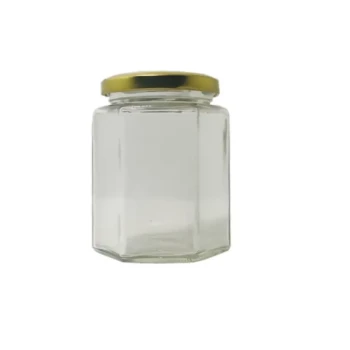
- Hexagonal Glass Honey Jars with Metal Lug Caps Elegant Versatile Packaging
- Classic Drum Shaped Glass Honey Jar with Airtight Lid
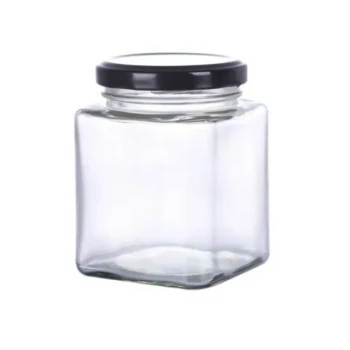
- Modern Square Glass Honey Jar with Twist Off Lid
- Classic Glass Honey Jar with Metal Lug Cap for Beehive Storage
People Also Ask
- What are the benefits of glass jars regarding strength and safety for storing honey? Ensure Purity and Long-Term Quality
- What are the advantages of using glass jars for honey storage? Ensure Purity and Premium Appeal for Your Product
- What is the aesthetic appeal of using glass jars for honey? Elevate Your Brand with Premium Packaging
- What are the advantages of glass containers for honey? Elevate Quality and Market Value with Premium Packaging
- What are the benefits of using high-transparency Glass Jars for honey? Elevate Purity and Premium Branding