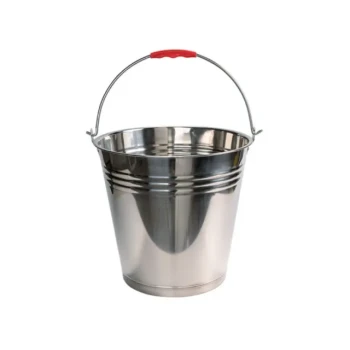
Industrial-grade plastic containers are preferred for honey storage and post-processing primarily due to their superior ability to seal out moisture and withstand physical stress. Unlike traditional vessels, which often suffer from fragility or porosity, industrial plastic ensures the honey's stability by preventing fermentation and protecting the product during rigorous transportation and distribution cycles.
Honey is naturally hygroscopic, meaning it absorbs moisture from the air. Industrial plastic offers a robust barrier against this ambient humidity, preventing the water absorption that leads to fermentation and spoilage.
The Critical Role of Moisture Control
Preventing Fermentation
The most significant threat to honey quality during post-processing is moisture absorption. When honey absorbs water from the environment, it creates conditions favorable for yeast growth.
Industrial-grade plastic containers provide critical sealing capabilities that block ambient humidity. By maintaining a low moisture content, these containers effectively eliminate the risk of fermentation.
Overcoming Porosity Issues
Many traditional vessels are constructed from materials that can be naturally porous. This porosity allows air and moisture to seep into the vessel over time, degrading the quality of the honey.
Plastic containers provide a non-porous, impermeable barrier. This ensures that the physical properties of the honey remain consistent from the moment of processing until the moment of consumption.
Logistics and Physical Stability
Ensuring Stability During Distribution
The journey from the processing facility to the consumer involves movement, vibration, and handling. The containment vessel must be able to absorb these stresses without compromising the seal.
Industrial plastic is engineered to maintain quality stability throughout this chain. It protects the honey's integrity regardless of the varying conditions encountered during shipping.
Reducing Breakage Risks
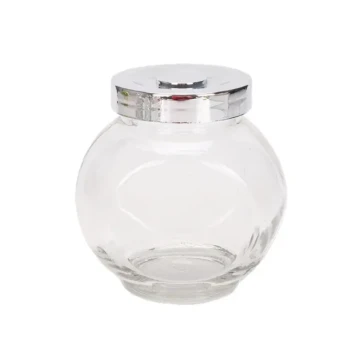
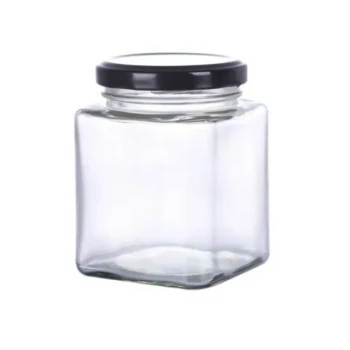
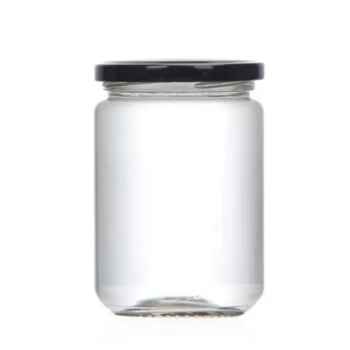
Traditional vessels, particularly those made of glass or ceramic, introduce a significant risk of breakage. This fragility can result in total product loss and safety hazards.
Plastic containers are robust and resistant to impact. They offer the durability required for safe transportation, ensuring the product arrives intact.
The Limitations of Traditional Vessels
The Fragility Factor
While traditional vessels may be aesthetically pleasing, their physical fragility makes them impractical for industrial scale. The risk of shattering during transport creates an unacceptable liability for producers.
Inconsistent Sealing
Traditional lids and stoppers often struggle to provide a hermetic seal comparable to industrial plastic. This lack of a true seal leaves the honey vulnerable to oxidation and moisture ingress, shortening its shelf life.
Making the Right Choice for Your Operation
For professional honey processing and storage, the choice of vessel dictates the longevity of the product.
- If your primary focus is preventing spoilage: Prioritize industrial-grade plastic to create a moisture-proof seal that prevents fermentation.
- If your primary focus is logistics and safety: Choose plastic containers to eliminate the fragility and breakage risks associated with traditional glass or ceramic vessels.
By selecting the correct industrial packaging, you ensure the honey remains as stable and pure as the day it was processed.
Summary Table:
| Feature | Industrial-Grade Plastic Containers | Traditional Vessels (Glass/Ceramic) |
|---|---|---|
| Moisture Barrier | Exceptional (Non-porous, prevents fermentation) | Variable (Can be porous or leak moisture) |
| Impact Resistance | High (Durable, resists cracking/breaking) | Low (Fragile, high risk of breakage) |
| Sealing Capability | Hermetic seals block ambient humidity | Often inconsistent or prone to oxidation |
| Logistics Safety | Optimized for shipping and vibration stress | High liability due to shattering risks |
| Product Shelf Life | Extended via stable moisture control | Shorter due to potential yeast growth |
Secure Your Honey Production with HONESTBEE Professional Packaging
At HONESTBEE, we understand that maintaining honey purity is critical for commercial apiaries and distributors. We provide a comprehensive range of industrial-grade beekeeping tools, machinery, and specialized storage solutions designed to eliminate fermentation risks and ensure distribution safety. From hive-making equipment to honey-filling machines and premium consumables, we empower your business with the durability and reliability it needs to scale.
Enhance your operation’s efficiency and product longevity—Contact HONESTBEE today to explore our wholesale equipment and packaging solutions!
References
- Tadesse Haftu Gezu. Survey on honey production system, challenges and Opportunities in selected areas of Hadya Zone, Ethiopia. DOI: 10.5897/jabsd2014.0232
This article is also based on technical information from HonestBee Knowledge Base .
Related Products
- Food Grade Plastic Honey Bucket Pail for Beekeeping
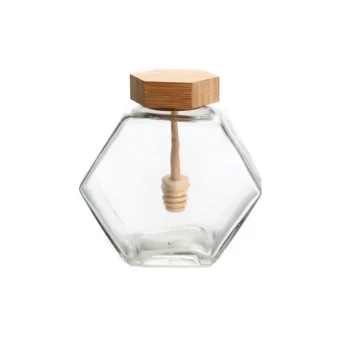
- Hexagonal Glass Honey Jar with Wooden Lid Integrated Dipper Elegant Functional Storage
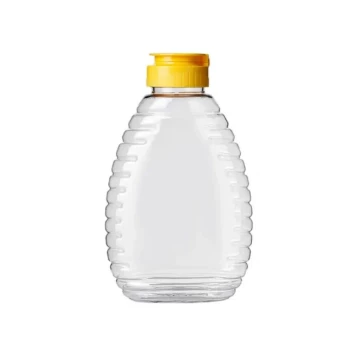
- Squeezable No-Drip Beehive-Shaped Honey Jars with Flip-Top Cap
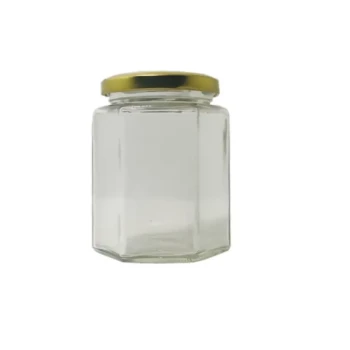
- Hexagonal Glass Honey Jars with Metal Lug Caps Elegant Versatile Packaging
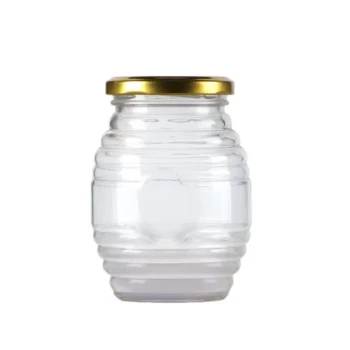
- Classic Glass Honey Jar with Metal Lug Cap for Beehive Storage
People Also Ask
- What key operational precautions should be taken when using honey buckets and extractors fitted with bottom drain taps?
- What functions do food-grade honey buckets perform? Safeguard Your Harvest and Optimize Apiary Logistics
- Why are food-grade plastic buckets preferred for honey? Protect Quality with Modern Honey Collection Tools
- What is the significance of food-grade plastic honey collection buckets? Boost Quality in Forest Honey Logistics
- What is a honey pail? The Essential Container for Protecting Your Honey's Value