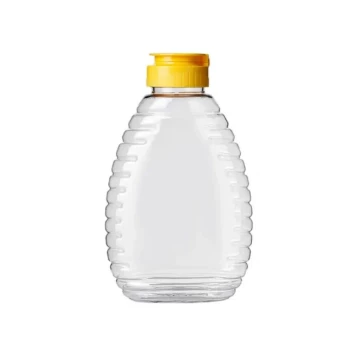
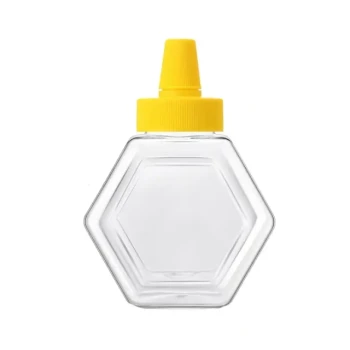
Sealed glass containers are the industry standard for storing honey samples because they offer superior chemical stability and impermeability compared to other materials. By preventing reactions with natural acids, blocking external odors, and stabilizing moisture levels, glass ensures the sample retains its original botanical and physicochemical profile for accurate analysis.
The core value of using sealed glass is neutrality. Unlike plastic or metal, glass acts as an inert barrier that prevents the container itself from altering the sample's composition, ensuring that laboratory data reflects the honey's true state rather than storage artifacts.
Preserving Chemical Integrity
Unwavering Chemical Inertness
Honey is naturally acidic. Metal containers can react with these acids, altering the chemical composition of the sample. Glass is chemically inert, meaning it does not react with the honey's natural components, preserving the original flavor and chemical structure.
Preventing Contaminant Migration
In precision testing, particularly for pesticide residues, the container must not introduce new variables. Airtight glass prevents the migration of container materials into the honey. This eliminates "background interference," ensuring that any detected residues are actually from the sample and not the vessel.
Controlling Environmental Variables
Impermeability to Gases and Odors
Glass is impermeable, creating a total barrier against the outside environment. This prevents the honey from absorbing external odors that could skew sensory evaluations. It also traps the honey's natural volatile compounds, keeping the botanical flavor profile intact.
Stabilizing Moisture Content
Honey is hygroscopic, meaning it naturally absorbs moisture from the air. A sealed glass environment stops this exchange completely. This is critical for maintaining the accuracy of moisture content measurements during physicochemical index testing.
Protection from Photodegradation
While clear glass offers chemical protection, brown (amber) glass offers an additional layer of defense against light. Many bioactive components in honey are light-sensitive. Using brown glass blocks UV rays, preventing photodegradation reactions that can destroy these fragile compounds.
Understanding the Trade-offs
Fragility and Transport Risks
The primary downside of glass is its physical fragility. A broken container means a lost sample and potential contamination of others. To mitigate this, food-grade secondary sealing bags are essential to contain leaks and provide an extra moisture barrier during transport.
The Necessity of Temperature Control
While glass protects the chemistry, it cannot protect against heat on its own. Glass containers must still be kept in temperature-controlled environments (refrigeration) to suppress biochemical reactions. Without cooling, antibiotic residues like tetracycline can degrade regardless of the container type.
Ensuring Analytical Accuracy
To guarantee the validity of your laboratory results, select your storage method based on your specific analytical goals:
- If your primary focus is Pesticide Analysis: Use chemically inert glass to strictly prevent container material migration and background interference.
- If your primary focus is Moisture and Physical Chemistry: Prioritize the quality of the airtight seal on the glass to prevent atmospheric water absorption.
- If your primary focus is Bioactive or Sensory Profiling: Utilize brown (amber) glass to prevent light-induced degradation of flavor compounds and nutrients.
The integrity of your analysis is defined by the quality of your sample preservation.
Summary Table:
| Benefit | Why It Matters | Impact on Analysis |
|---|---|---|
| Chemical Inertness | Prevents reactions with honey's natural acids. | Preserves original chemical profile. |
| Impermeability | Blocks external odors and stabilizes moisture. | Ensures accurate sensory and physical data. |
| UV Protection | Brown glass shields light-sensitive compounds. | Prevents photodegradation of bioactive parts. |
| Contaminant Shield | Stops migration of container materials into sample. | Eliminates background interference in testing. |
Elevate Your Beekeeping Standards with HONESTBEE
At HONESTBEE, we understand that precision in the lab starts with professional-grade tools in the field. As a leading provider for commercial apiaries and distributors, we offer a comprehensive wholesale selection of beekeeping machinery, specialized hardware, and essential industry consumables.
Whether you need hive-making machines to scale your operations or high-quality equipment to maintain sample purity, our portfolio is designed to maximize your efficiency and product value. Contact us today to discover how our tailored equipment solutions can support your business growth and ensure your honey meets the highest global standards.
References
- Леонора Адамчук, Ivan Galyasnyj. Methods for determining the botanical origin of honey. DOI: 10.5219/1386
This article is also based on technical information from HonestBee Knowledge Base .
Related Products
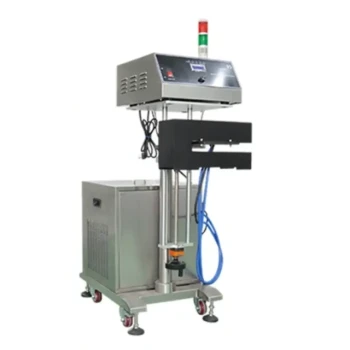
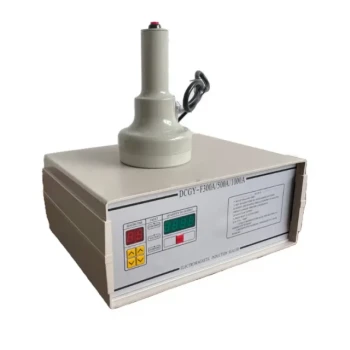
- Professional Water Cooled Induction Sealing Machine for Bottles and Containers
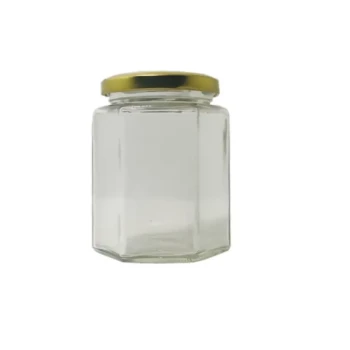
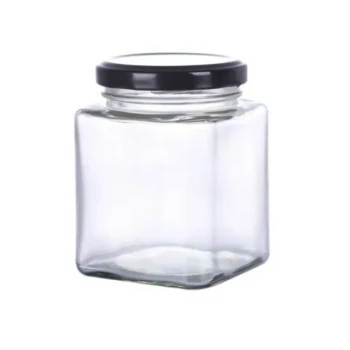
- Hexagonal Glass Honey Jars with Metal Lug Caps Elegant Versatile Packaging
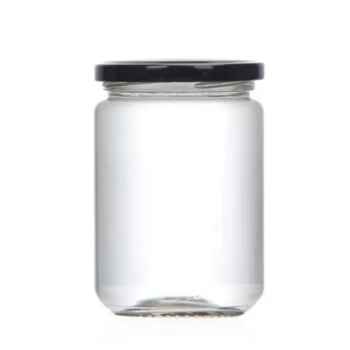
- Classic Round Glass Honey Jar with Lid
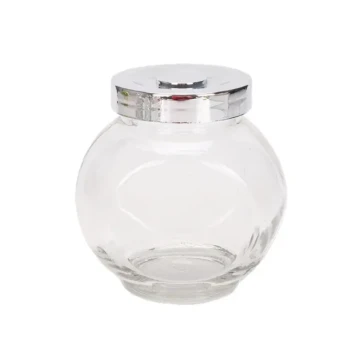
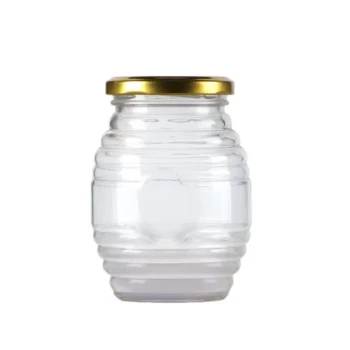
- Classic Drum Shaped Glass Honey Jar with Airtight Lid
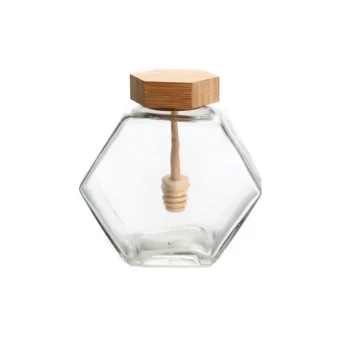
- Hexagonal Glass Honey Jar with Wooden Lid Integrated Dipper Elegant Functional Storage
People Also Ask
- How does tamper-evident sealing equipment benefit the honey trade? Ensure Product Integrity and Market Trust
- What is the function of an induction sealing machine in packaging? Secure Your Brand with Tamper-Evident Seals
- How does an induction sealing machine work? Enhance Honey Packaging with Hermetic Seals & Tamper Evidence
- What is an induction sealing machine and how does it work? Achieve Airtight, Tamper-Evident Seals
- How does the induction sealing process work? Create Tamper-Evident, Airtight Seals for Your Products