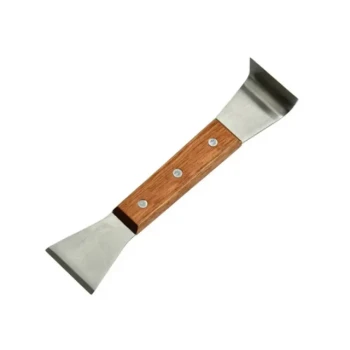
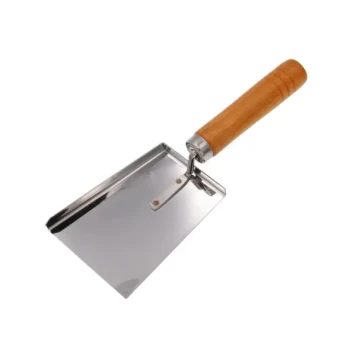
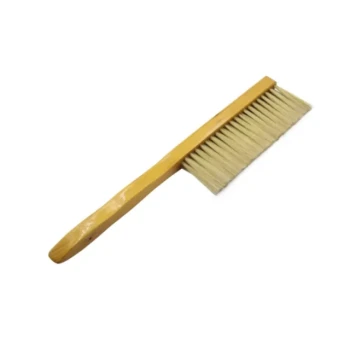
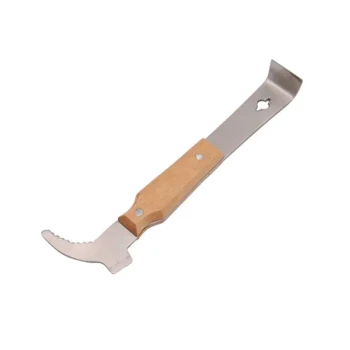
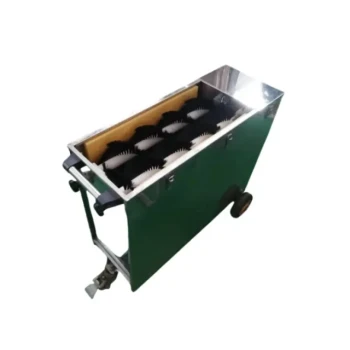
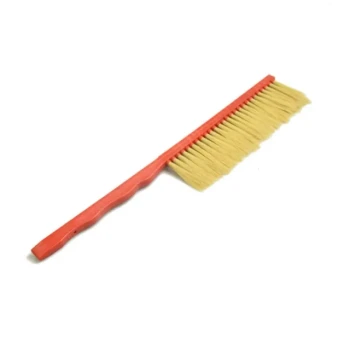
Precision is the prerequisite for accurate diagnosis. Specialized sampling tools are necessary for collecting fungal samples from dead and worker bees because the microbial flora is inextricably linked to the specific health status of the bee. Using dedicated instruments for different physiological states—such as recently dead versus dysfunctional live bees—prevents cross-contamination and ensures the sample accurately reflects the biological reality of the colony.
Core Insight The formation of fungal flora is not uniform; it varies drastically depending on the health and vitality of the bee. Specialized tools allow for the isolation of these distinct biological states, ensuring that diagnostic data reveals the true microbial distribution rather than artifacts caused by handling or contamination.
The Critical Link Between Bee State and Fungal Flora
Capturing Representative Biological Samples
The primary reason for using specialized tools is to ensure the collection of representative biological samples.
A recently dead bee and a dysfunctional living worker bee represent two distinct biological environments. Specialized tools allow researchers to target and extract these specific subjects without inadvertently collecting healthy bees or debris that would skew the data.
Correlating Health Status with Microbial Load
The composition of fungal flora is closely related to the bee's current health status.
To understand the pathology of a colony, one must distinguish between fungi that killed the bee and fungi that colonized the bee after death. Specialized sampling ensures that the sample source is identified correctly, allowing for precise correlation between the bee's condition and the fungi present.
Ensuring Diagnostic Accuracy
Preventing Sample Contamination
The greatest risk in microbial sampling is contamination.
Using general-purpose or unsterilized tools can transfer spores between samples or introduce environmental contaminants. Precise tools designed for specific sampling tasks help isolate the target specimen, maintaining the integrity of the fungal culture being studied.
Identifying Specific Pathologies
Accurate sampling is required to detect specific pathological changes, such as aspergillosis or melanosis.
These conditions are caused by specific fungal infections that may be localized or dependent on the bee's developmental stage. Specialized tools enable the targeted collection required to identify these distinct pathological signatures within the broader microbial distribution of the colony.
Understanding the Trade-offs
Specificity vs. Speed
While specialized tools ensure data integrity, they add complexity to the workflow.
Using a different tool for every state of bee (dead, dysfunctional, healthy) requires more time and logistical preparation than using a single, multi-purpose tool. However, in pathological studies, speed must often be sacrificed for accuracy.
Risk of Mechanical Damage
Even with specialized tools, there is a risk of physical damage if used incorrectly.
As noted in broader beekeeping contexts, improper handling can crush bees or damage wax structures. The goal of using specialized equipment is to minimize this damage, but it requires a higher degree of operator skill and care to preserve the physical structure of the sample.
Making the Right Choice for Your Goal
Select your sampling strategy based on the level of diagnostic precision required for your project.
- If your primary focus is Scientific Pathology: Prioritize strict tool segregation for dead and live bees to prevent cross-contamination of fungal markers.
- If your primary focus is Routine Hive Monitoring: Focus on using clean, standardized tools that allow for safe extraction without damaging the hive structure.
True diagnostic power comes not just from finding the fungus, but from accurately attributing it to the specific biological context of the host.
Summary Table:
| Factor | Specialized Sampling Tools | General-Purpose Tools |
|---|---|---|
| Data Integrity | High; isolates specific biological states | Low; risk of mixing healthy and dead bee markers |
| Contamination Risk | Minimized via dedicated instruments | High; potential for cross-spore transfer |
| Diagnostic Accuracy | Precise correlation with pathology | General/Vague results |
| Workflow Speed | Slower; requires tool segregation | Faster; simplified process |
| Best Use Case | Scientific pathology and disease research | Routine hive monitoring and basic observation |
Elevate Your Apiary’s Health Standards with HONESTBEE
At HONESTBEE, we understand that commercial success in beekeeping starts with health precision. Whether you are a professional researcher or a high-volume distributor, our comprehensive wholesale portfolio offers everything from specialized beekeeping tools and hive-making machinery to advanced honey-filling equipment and essential consumables.
We empower commercial apiaries to move beyond routine monitoring toward advanced biological management. Partner with us to access the industrial-grade hardware and expertise needed to safeguard your colonies and scale your honey production.
Ready to optimize your beekeeping operations? Contact us today to explore our wholesale solutions and industry-leading equipment.
References
- Aysel F. İsayeva, Panah Z. Muradov. Characteristic of Species Composition of Fungi Involved in the Formation of Mycobiota of Honey Bees in Azerbaijan. DOI: 10.4236/abb.2019.109022
This article is also based on technical information from HonestBee Knowledge Base .
Related Products
- Professional Dual-End Stainless Steel Hive Tool for Beekeeping
- Plastic Beekeeping Honey Bee Larvae Grafting Tools for Queen Rearing and Chinese Grafting
- HONESTBEE Professional Mini J-Hook Hive Tool for Beekeeping
- Stainless Steel Queen Grafting Tool for Beekeeping and Bee Queen Grafting
- Stainless Steel J Hook Hive Tool for Beekeeping
People Also Ask
- What specific challenges do beekeeping hive tools address during hive maintenance? Essential Solutions for Apiaries
- Why are professional hive tools considered indispensable? Master Beekeeping Maintenance with Precision Leverage
- What is the role of professional hive tools in routine apiary maintenance? Expert Tips for Hive Health and Longevity
- What role do professional beehives and beekeeping tools play in honey prosumption? Scale yield & commercial success.
- What are the primary functions of a stainless steel hive tool? Essential Equipment for Professional Beekeeping