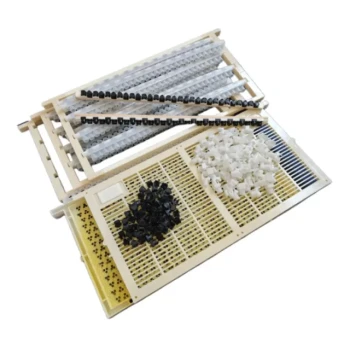
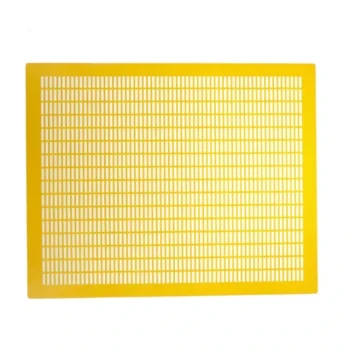
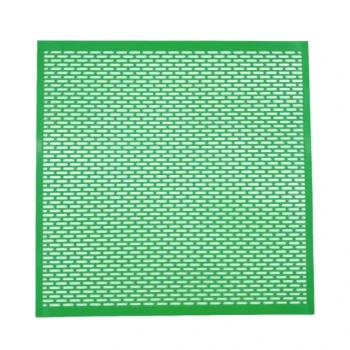
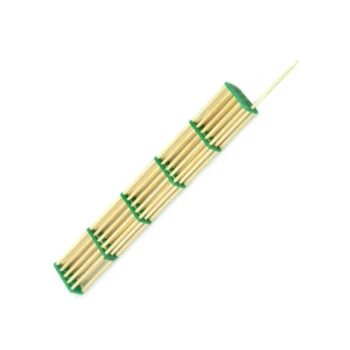
A Queen Excluder serves as a strategic partition that separates a hive into two distinct functional zones: a lower breeding area and an upper production area. Its primary purpose during royal jelly production is to confine the queen to the lower hive body while allowing worker bees free access to the upper "queenless" zone. This physical separation manipulates the colony’s social structure, triggering an intense nursing response from worker bees toward the artificial queen cells housed above.
Core Insight The Queen Excluder is not just a barrier; it is a behavioral trigger. By isolating the queen, beekeepers create a controlled "queenless" environment in the upper super that compels nurse bees to flood artificial cells with royal jelly, all while protecting those cells from the queen’s natural instinct to destroy competitors.
The Mechanics of Hive Segmentation
Triggering the Nursing Instinct
The primary biological driver for royal jelly production is the worker bees' urge to rear a new queen when they perceive their colony is queenless.
By keeping the queen in the lower chamber, the upper chamber effectively functions as a queenless production area. This isolation stimulates the worker bees to focus their energy on feeding the larvae in the Artificial Queen Cells, resulting in high and continuous production of royal jelly.
Ensuring Social Stability
While the upper section operates under a queenless dynamic, the lower section remains queen-right.
The queen continues to lay eggs and maintain colony population in the bottom chamber. This ensures the hive remains socially stable and populated with new workers, providing a sustainable workforce to support the intensive production happening above.
Regulating Worker Movement
The design of the excluder utilizes precise physical gaps.
These gaps are sized specifically to prevent the larger-bodied queen from passing through, yet they are large enough to allow worker bees to move freely between the two zones. This ensures that the larvae in the production zone receive constant attention and feeding from the nurse bees.
Quality Control and Asset Protection
Preventing Biological Sabotage
A queen bee views other developing queens as rivals.
Without an excluder, the queen would naturally enter the production area and destroy the artificial queen cells or attack the developing larvae. The excluder physically blocks this aggression, ensuring high larval acceptance rates and preventing the loss of the production crop.
Maintaining Product Purity
For royal jelly production, precise control over the contents of the queen cells is mandatory.
The excluder prevents the queen from laying eggs in the experimental cups. This ensures that the cells contain only the manually grafted larvae of a uniform age. Consequently, the final harvest is pure royal jelly, uncontaminated by unexpected brood or eggs.
Understanding the Trade-offs
Risk of "Honey Barrier"
While the excluder is essential, it can sometimes inhibit worker movement if not managed correctly.
If the excluder becomes clogged with burr comb or propolis, or if the workers are reluctant to cross it, the larvae above may be underfed. Beekeepers must ensure the excluder allows for seamless traffic flow to maintain production volume.
Queen Confinement Stress
Restricting the queen to a single box reduces her laying space compared to a full hive.
In high-production scenarios, this requires careful monitoring to ensure the queen does not run out of room to lay in the lower chamber, which could lead to swarming behavior or a decline in colony strength over time.
Making the Right Choice for Your Goal
When implementing a Queen Excluder for royal jelly production, consider your specific objectives:
- If your primary focus is Maximizing Yield: Ensure the "queenless" illusion is maintained by keeping the queen strictly in the bottom chamber to drive the workers' nursing instinct upward.
- If your primary focus is Product Purity: Inspect the excluder regularly for damage to guarantee the queen cannot breach the barrier and lay eggs in your production cups.
Successful royal jelly production relies on balancing the colony's natural instincts with precise physical exclusion.
Summary Table:
| Feature | Purpose in Royal Jelly Production | Benefit to Beekeeping |
|---|---|---|
| Hive Segmentation | Creates a "queenless" upper zone and queen-right lower zone | Triggers nurse bees to overproduce royal jelly in upper cells |
| Physical Barrier | Prevents the queen from reaching the production area | Protects artificial queen cells from being destroyed by the queen |
| Size-Specific Gaps | Allows worker passage while blocking the larger queen | Ensures larvae receive constant feeding without queen interference |
| Laying Regulation | Prevents eggs from being laid in graft cups | Ensures product purity and uniform larval age for easier harvesting |
Maximize Your Royal Jelly Output with HONESTBEE
Efficient royal jelly production demands precision tools that respect the delicate biology of the hive. HONESTBEE provides professional-grade queen excluders and specialized beekeeping equipment designed for commercial apiaries and global distributors.
From durable hive-making machinery to precise honey-filling solutions and high-quality industry consumables, we offer the full spectrum of tools needed to scale your operations and ensure product purity.
Ready to elevate your wholesale beekeeping supply? Contact us today to discover how our comprehensive equipment portfolio can bring superior value to your business and your customers.
References
- Dimitrios Kanelis, Chrysoula Tananaki. The Impact of Grafted Larvae and Collection Day on Royal Jelly’s Production and Quality. DOI: 10.3390/app15158200
This article is also based on technical information from HonestBee Knowledge Base .
Related Products
- No Grafting Queen Rearing Kit: System for Royal Jelly Production and Queen Rearing
- Professional Plastic Queen Excluder for Modern Beekeeping
- Wooden Queen Bee Excluder for Beekeeping
- Metal Queen Bee Excluder for Beekeeping
- Plastic Chinese Queen Grafting Tool for Bee Queen Rearing
People Also Ask
- What is the primary function of a queen rearing kit? Eliminate Manual Grafting for Superior Bee Breeding
- How do specialized queen rearing kits and queen management tools improve the success rate of bee colony expansion?
- What are some alternative methods to grafting for queen cell production? Discover Graft-Free Queen Rearing Systems
- Are queen rearing systems generally suitable for all honeybee species? Master Efficient Breeding Methods
- Are queen rearing systems suitable for all beekeepers? Modern Tools for Every Experience Level