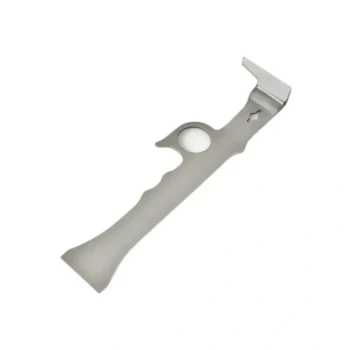
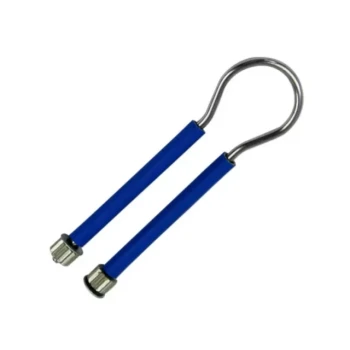
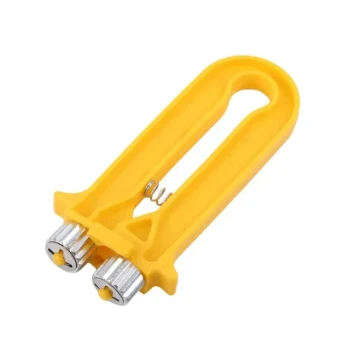
Precision-engineered grafting tools are the linchpin of the Doolittle Method because they ensure the non-destructive transfer of delicate, 24-hour-old larvae from worker cells to artificial queen cups. This specialized hardware is critical for maintaining high larval survival rates and ensuring the consistent production of high-quality queens across large-scale operations. For distributors and wholesalers, providing these precision instruments is essential to meeting the technical demands of professional queen breeders who prioritize genetic integrity and colony productivity.
The success of the Doolittle Method relies on the minimal-trauma transfer of larvae, which only a specialized tool with a flexible, high-precision tip can achieve. By facilitating the simultaneous transfer of royal jelly and larvae, these tools directly dictate the acceptance rates and genetic consistency of the resulting queen population.
Maximizing Larval Survival and Acceptance
Protecting Delicate Biological Material
The Doolittle Method requires moving larvae that are typically only one to three days old. At this stage, larvae are incredibly fragile; even microscopic physical damage from an unspecialized tool can lead to developmental failure or rejection by nurse bees.
The Role of Royal Jelly Transfer
High-quality grafting tools are designed to scoop a small amount of royal jelly along with the larva. This provides a vital buffer and immediate nourishment, which significantly increases the acceptance rate once the larva is placed in the artificial queen cell cup.
Ensuring Genetic Consistency
For large-scale breeding projects, the ability to transfer larvae with uniform precision is vital. Specialized tools allow for the rapid propagation of superior bee strains, ensuring that the genetic traits of the mother queen are preserved across thousands of new queens without variation caused by handling stress.
Driving Commercial Efficiency for Professional Breeders
Scaling Production for Wholesalers
Professional queen rearing is a high-volume business that demands speed and reliability. Specialized tools allow beekeepers to perform hundreds of grafts per hour with consistent results, making them an indispensable inventory item for distributors serving commercial clients.
Standardized Results in Artificial Environments
The use of specialized tools, alongside matching queen cell molds and frames, creates a standardized production environment. This synergy reduces the margin of error, allowing for the timely replacement of old queens and the expansion of honeybee populations with predictable outcomes.
Impact on Colony Genetic Improvement
The precision of the tool's design—often featuring elastic materials or fine spatulas—is a decisive factor in the success of genetic improvement projects. Without these instruments, the scale of the breeding population would be limited by high mortality rates during the transfer process.
Understanding the Trade-offs and Technical Challenges
Material Durability vs. Flexibility
The most effective grafting tools often use elastic or thin-gauged materials to protect the larvae. While these materials offer the necessary delicacy, they may be more prone to wear and tear compared to heavier, less precise alternatives, requiring beekeepers to maintain a consistent supply of replacement tips.
The Learning Curve for Precision Tools
Despite being "specialized," these tools require a high degree of manual dexterity and experience. Distributors should be aware that even the best hardware cannot compensate for poor technique, though ergonomic designs can significantly reduce fatigue during long grafting sessions.
Environmental Sensitivities
Precision tools can be sensitive to temperature and cleanliness. If the tip of a tool becomes contaminated or loses its shape due to improper storage, the survival rates of the larvae will drop, highlighting the need for tools that are easy to sterilize and maintain.
Optimizing Your Inventory for Professional Demand
When sourcing queen-rearing hardware, the focus must remain on the technical specifications that drive beekeeping success. Providing a comprehensive portfolio of high-precision tools ensures your clients can meet their production targets with confidence.
- If your primary focus is satisfying high-volume commercial breeders: Prioritize tools with ergonomic grips and replaceable, high-elasticity tips to facilitate rapid, fatigue-free grafting.
- If your primary focus is supporting genetic research and hobbyist excellence: Offer specialized kits that include precision needles, artificial cell cups, and molds to provide a complete, standardized solution.
- If your primary focus is supply chain reliability: Leverage our deep professional expertise and rapid response times to ensure your inventory of essential grafting hardware is always replenished before peak breeding season.
By providing the right specialized tools, you empower beekeepers to transform the delicate task of grafting into a predictable, high-yield commercial process.
Summary Table:
| Key Factor | Functional Benefit | Commercial Impact for Professionals |
|---|---|---|
| Larval Integrity | Minimizes physical trauma to 24-hour-old larvae. | Ensures high survival rates and colony productivity. |
| Royal Jelly Transfer | Scoops vital nutrients alongside the larva. | Increases immediate acceptance by nurse bees. |
| Precision Tips | Flexible, high-elasticity materials for delicate handling. | Maintains genetic consistency across large populations. |
| Ergonomic Design | Reduces manual fatigue during high-volume sessions. | Enables hundreds of successful grafts per hour. |
| Standardization | Matches perfectly with artificial queen cups/molds. | Facilitates predictable, scalable breeding operations. |
Scale Your Queen Rearing Supply Chain with HONESTBEE
Maximize your profit margins and supply reliability with HONESTBEE, your premier partner for high-precision beekeeping hardware. We provide a comprehensive one-stop sourcing solution for distributors and commercial apiaries, offering everything from specialized grafting tools and queen cell molds to advanced honey-filling machinery.
Why Partner with HONESTBEE?
- Full-Spectrum Portfolio: Access a complete range of professional tools and industry consumables.
- Rapid Fulfillment: Benefit from ultra-fast delivery and efficient order processing to meet peak seasonal demands.
- Industry Expertise: Leverage our deep technical knowledge and premium trading services (including OEM/ODM support).
- Exceptional Support: Experience dedicated customer service and rapid response times tailored to B2B resellers.
Ready to elevate your inventory with professional-grade equipment? Contact our expert team today to discuss wholesale opportunities and bulk pricing!
References
- Edymeiko de Souza Maciel, Gardênia Holanda Cabral. Overview of bee research in Roraima, Brazil. DOI: 10.18227/1982-8470ragro.v19i00.8471
This article is also based on technical information from HonestBee Knowledge Base .
Related Products
- Stainless Steel Queen Grafting Tool for Beekeeping and Bee Queen Grafting
- Plastic Chinese Queen Grafting Tool for Bee Queen Rearing
- Stainless Steel Beekeeping Queen Grafting Tool for Honey Bee Rearing
- Plastic Beekeeping Honey Bee Larvae Grafting Tools for Queen Rearing and Chinese Grafting
- Double Head Beekeeping Grafting Tools for Beekeepers
People Also Ask
- What is grafting in queen rearing? Take Control of Your Apiary's Genetics
- What are the steps involved in using a queen grafting tool? A Guide to Successful Queen Rearing
- What are the benefits of using a queen grafting tool for queen rearing? Master Precision for Superior Bee Genetics
- What is the step-by-step process for using a queen grafting tool? Master Larva Transfer for Better Queen Rearing
- What is the primary function of a queen grafting tool? Master Precise Larval Transfer for High Queen Acceptance