Acid-resistant protective equipment creates a vital chemical barrier between the beekeeper and the caustic substances used in disease treatment, specifically formic, lactic, and oxalic acids. Without professional-grade gloves, respirators, and aprons, operators face a high risk of severe chemical burns to the skin and significant damage to the respiratory tract from toxic vapors.
While organic acids are critical for low-residue Varroa mite control, their caustic nature presents an immediate physical threat to the operator. Using industry-standard Personal Protective Equipment (PPE) is a non-negotiable prerequisite for safely executing these chemical protocols.
Understanding the Chemical Hazard
The Nature of Organic Acids
Organic acids used in apiculture are potent chemical consumables. While they are "organic" in nature, substances like formic and oxalic acid are highly caustic.
They function by inhibiting the reproduction and survival of Varroa destructor mites. However, the same chemical mechanism that makes them effective against pests makes them hazardous to human soft tissue.
Risks of Exposure
The danger exists in two forms: liquid splashes and airborne vapors.
Direct contact with the liquid can cause immediate chemical burns to the skin. Inhalation of the vapors—common with volatile acids like formic acid—can severely damage the respiratory tract.
The Components of Defense
Respiratory Protection
Standard dust masks are insufficient against organic acid fumes.
Beekeepers must use respirators specifically rated for acid vapors. This prevents the inhalation of caustic fumes that can burn the lungs and throat during application.
Dermal Protection
Clothing provides inadequate protection against acid spills.
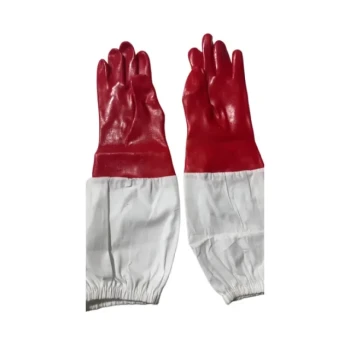
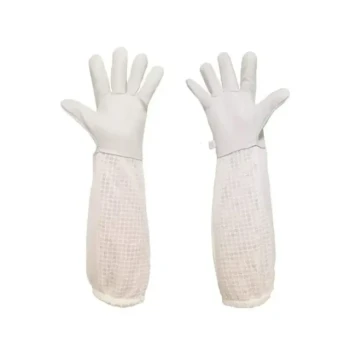
Operators require acid-resistant aprons and professional gloves. These create an impermeable seal, ensuring that accidental spills or splashes do not reach the skin.
The Strategic Context of Acid Use
Why Risk Using Acids?
Despite the handling risks, organic acids are preferred for their high biodegradability and low fat solubility.
Unlike synthetic miticides, organic acids significantly reduce the risk of leaving chemical residues in beeswax and honey. This ensures the final product meets natural market standards and avoids export restrictions.
Preserving Colony Health
These acids are essential for breaking the transmission pathways of honeybee viruses carried by mites.
With rising temperatures extending mite breeding cycles, the precise application of these acids is often the only way to prevent colony collapse.
Understanding the Trade-offs
Application Risk vs. Product Purity
The primary trade-off in using organic acids is accepting higher operator risk to achieve higher product purity.
Synthetic drugs may be easier to handle safely but often leave persistent residues in the hive. Organic acids preserve the purity of the honey and wax but require a higher standard of operator discipline and safety gear.
Precision vs. Danger
Effective treatment requires precise application to protect the honeybee immune system.
However, "precise application" often brings the operator into closer proximity with the chemicals, increasing the necessity for flawless PPE usage.
Making the Right Choice for Your Safety
Safety equipment is not just about compliance; it is about ensuring you can continue to care for your hives long-term.
- If your primary focus is Operator Safety: Prioritize a full-face respirator and heavy-duty acid-resistant gloves, treating every application as a potential hazmat event.
- If your primary focus is Product Quality: Accept that achieving zero-residue honey requires using caustic organic acids, and view the investment in high-quality PPE as a necessary cost of producing premium, export-grade products.
Protecting yourself is the first step in successfully protecting your colonies.
Summary Table:
| Hazard Type | Organic Acid Source | Required Protective Equipment | Health Risk if Unprotected |
|---|---|---|---|
| Liquid Splashes | Formic, Oxalic, Lactic Acids | Acid-resistant gloves & aprons | Severe chemical skin burns |
| Toxic Vapors | Volatile Formic Acid | Acid-vapor rated respirators | Respiratory tract damage & lung irritation |
| Eye Exposure | Acid splashes or fumes | Full-face respirator or safety goggles | Permanent vision damage |
| Residue Risks | Synthetic miticides | Use Organic Acids + Proper PPE | Honey & wax contamination |
Secure Your Apiary Safety with HONESTBEE
Handling caustic organic acids like formic and oxalic acid requires professional-grade protection to ensure both operator safety and honey purity. At HONESTBEE, we specialize in supporting commercial apiaries and distributors with high-quality, industry-standard safety gear and beekeeping equipment. From essential acid-resistant consumables to advanced hive-making and honey-filling machinery, our comprehensive wholesale solutions are designed to scale your operations safely and efficiently.
Ready to upgrade your safety standards and equipment efficiency? Contact HONESTBEE today to explore our full spectrum of beekeeping tools and hardware tailored for industry professionals.
References
- Milorad Vojvodić, Dragan Bubalo. Rad na siguran način u pčelarskoj proizvodnji. DOI: 10.31306/s.59.4.6
This article is also based on technical information from HonestBee Knowledge Base .
Related Products
- Premium Cowboy Beekeeper Hat with Visibility Veil Outdoor Professional Beekeeping Protective Gear
- Beekeeping Gloves Goatskin Leather with Long Cotton Sleeve for Beekeepers
- Goat Skin Leather Bee Sting Proof Beekeeping Gloves with Canvas Sleeve
- White Cotton Beekeeping Jacket and Veil for Bee Keepers
- Heavy Duty Red Rubber Beekeeping Gloves with Vented Mesh Cotton Sleeves
People Also Ask
- What design features contribute to the stability and fit of the beekeeper hat? Key Features for Maximum Hive Safety
- How is the beekeeper hat designed for comfort and practicality? Explore Key Features for Enhanced Apiary Safety
- What is the general protective gear recommendation for new beekeepers? Your Essential Beginner's Safety Guide
- How does beekeeping protective gear facilitate the queen bee selection process? Enhancing Precision in Queen Breeding
- What should beekeepers consider when choosing protective gear? A Guide for Maximum Safety & Comfort