Dipping plastic queen cups into molten beeswax is a critical camouflage technique essential for high success rates in queen rearing. It is necessary because it masks the synthetic odor of the plastic and simulates the chemical and tactile properties of a natural hive, tricking the bees into accepting the artificial hardware as part of the colony structure.
Core Takeaway This process bridges the gap between artificial equipment and biological instinct. By coating inert plastic with organic beeswax, you neutralize foreign scents and trigger the workers' natural drive to clean the cell and the queen's instinct to lay, directly influencing the colony's willingness to invest resources in the new queen.
The Mechanics of Biological Compatibility
Neutralizing Synthetic Odors
Plastic cups inherently carry residual manufacturing scents that are foreign to the hive.
Bees rely heavily on olfactory cues to interpret their environment. The molten beeswax effectively seals the plastic surface, eliminating these synthetic odors.
This prevents the bees from perceiving the cup as debris or a foreign object that needs to be removed.
Simulating Natural Chemical Signals
Beeswax is not just a building material; it carries the chemical signature of the colony.
Coating the cup aligns the artificial hardware with the internal chemical properties of the hive.
This "scent matching" assures the bees that the cup is a safe, natural part of their environment.
Triggering the "Polishing" Instinct
Before a queen lays an egg or a larva is accepted, worker bees must prepare the cell.
The texture of the wax coating induces worker bees to clean and polish the cup.
This preparation behavior is a prerequisite for the queen to view the cup as a viable vessel for egg-laying.
Ensuring Royal Jelly Secretion
The ultimate goal of the cup is to house a developing larva.
High acceptance rates depend on worker bees recognizing the environment as suitable for a future queen.
When the cup feels and smells like wax, workers are induced to secrete large amounts of royal jelly to feed the larva, ensuring proper development.
Understanding the Trade-offs
Durability vs. Acceptance
Plastic cups offer the advantage of standardized size, durability, and reusability, which natural wax cells lack.
However, plastic is biologically inert and unattractive to bees on its own.
You trade the immediate acceptance of pure wax for the durability of plastic, making the wax-dipping step the mandatory "bridge" to get the benefits of both.
The Cost of Skipping Pre-treatment
Attempting to use raw plastic cups often leads to poor results.
Without the wax coating, the acceptance rate of grafted larvae drops significantly.
Workers may ignore the cups entirely, or the queen may refuse to lay in them, leading to a failure in the rearing cycle.
Making the Right Choice for Your Goal
To ensure success in your queen rearing project, consider the following:
- If your primary focus is High Acceptance Rates: Ensure every plastic cup is evenly dipped in molten beeswax to fully mask the plastic scent and encourage immediate cleaning by workers.
- If your primary focus is Standardization: Use high-quality plastic cups for consistent cell size, but never neglect the wax coating to maintain biological compatibility.
The wax coating transforms a piece of plastic hardware into a biologically active vessel that the colony is eager to support.
Summary Table:
| Feature | Raw Plastic Queen Cups | Beeswax-Dipped Plastic Cups |
|---|---|---|
| Scent Profile | Synthetic/Foreign (Manufacturing odors) | Organic/Familiar (Hive chemical signature) |
| Bee Behavior | Avoidance or removal as debris | Cleaning, polishing, and royal jelly secretion |
| Acceptance Rate | Significantly lower | High (Optimal for grafting success) |
| Durability | High/Standardized | High/Standardized with biological bridge |
| Primary Goal | Equipment longevity | Successful queen production and development |
Maximize Your Apiary’s Productivity with HONESTBEE
High-quality queen rearing starts with the right equipment and expert techniques. At HONESTBEE, we support commercial apiaries and distributors with a comprehensive range of professional-grade beekeeping tools and machinery. Whether you need specialized hive-making equipment, honey-filling machines, or essential consumables like premium plastic queen cups, our wholesale portfolio is designed to scale your operations.
Partner with HONESTBEE for:
- Standardized Hardware: Durable equipment that ensures consistency across your colony management.
- Comprehensive Wholesale Range: From specialized machinery to honey-themed cultural merchandise.
- Industry Expertise: Tools built to bridge the gap between biological needs and commercial efficiency.
Ready to elevate your beekeeping business? Contact us today to discuss your wholesale needs and discover the value of a professional equipment partnership.
References
- Letícia Carlesso de Paula Sena, Mariana Nikolla. Seasonal Aplication of Jenter's Method for a Successful Queen Bees' Rearing in Albania. DOI: 10.1080/13102818.2010.10817878
This article is also based on technical information from HonestBee Knowledge Base .
Related Products
- JZBZ Type Wide Base Plastic Queen Cell Cups for Base Mounting and Queen Rearing
- Clear Black Plain Polystyrene Queen Bee Grafting Cell Cups No Lug for Bee Queen Cup
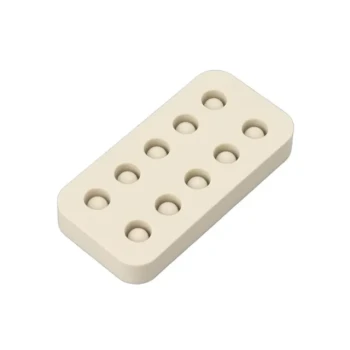
- 10-Cell Silicone Beeswax Bee Queen Cups Forming Mold
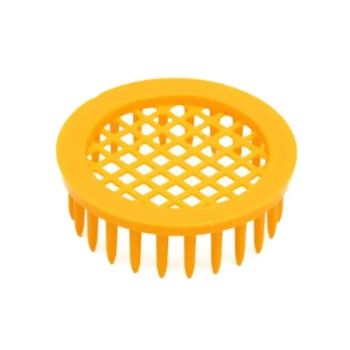
- Durable Plastic Push In Queen Bee Cage
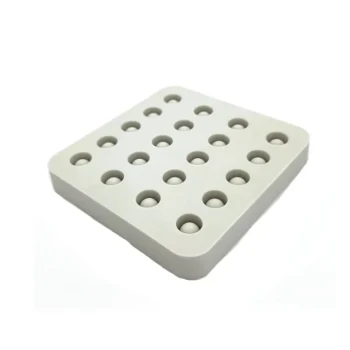
- High-Efficiency 20-Cell Silicone Mold for Beeswax Bee Queen Cup Production
People Also Ask
- What is the primary function of commercial plastic queen cell cups? Driving Efficiency in Mass Queen Rearing
- What are the primary advantages of using plastic queen cell cups? The Industrial Choice for High-Efficiency Apiaries
- What technical advantages do commercial plastic queen cell cups offer? Scale Your Queen Rearing for Maximum Efficiency
- What is the function of standardized plastic Queen Cell Cups? Boost Efficiency in Commercial Larval Grafting
- Why are standardized plastic queen cell cups preferred? Boost Commercial Queen Rearing Efficiency