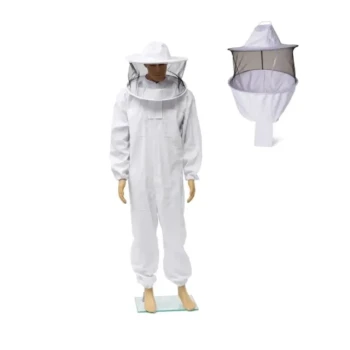
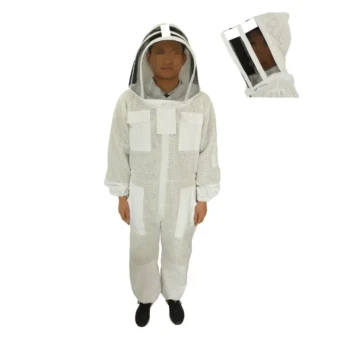
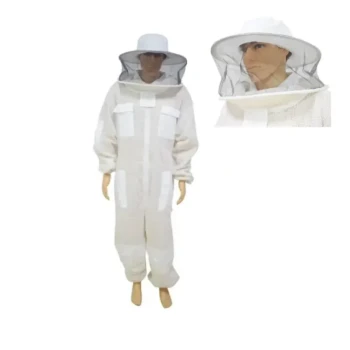
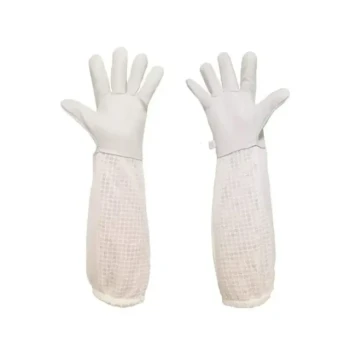
Regularly washing a beekeeping suit is a critical safety protocol, not just a cosmetic preference. The primary necessity is to remove accumulated alarm pheromones and venom left by previous bee stings, which serve as invisible chemical markers that incite other bees to attack during subsequent hive visits. Furthermore, washing prevents the buildup of hive debris such as propolis, wax, and pollen, ensuring the protective gear remains functional and professional in appearance.
Core Takeaway While general cleanliness helps preserve the fabric, the biological imperative for washing is to "reset" the suit's chemical signature. By eliminating residual alarm pheromones and venom, you neutralize the signals that trigger defensive aggression in the colony, protecting yourself from being targeted in future inspections.
The Biological Impact on Safety
Neutralizing Chemical Triggers
Bees communicate danger through scent. When a bee stings your suit, it releases alarm pheromones that linger on the fabric long after the bee is gone.
If you do not wash the suit, these pheromones remain active. Returning to a hive with a pheromone-laden suit effectively marks you as a threat immediately, increasing the likelihood of aggressive behavior and mass stinging.
Removing Embedded Venom
Beyond pheromones, the fabric can trap dried venom from previous stings. A thorough cleaning is the only way to ensure these biological remnants are completely removed.
Eliminating these residues resets the suit to a neutral state, preventing an escalation of defensive behavior from the colony.
Equipment Longevity and Hygiene
Managing Hive Debris
Beekeeping is messy work; suits inevitably accumulate layers of pollen, propolis, wax, and dirt.
Regular washing prevents these substances from permanently staining or stiffening the fabric. Keeping the suit clean helps maintain the material's breathability and ensures you project a professional image.
Fabric Preservation
While the suit is durable, dirt and grit can act as abrasives within the fibers over time. Regular cleaning removes these particulates, potentially extending the lifespan of the garment if done correctly.
Understanding the Trade-offs
The Risk of Over-Washing
While hygiene is essential, excessive washing can accelerate wear and tear. Beekeeping suits do not necessarily require washing after every single use unless the inspection was particularly aggressive or messy.
Frequent machine washing can degrade the fabric's protective weave and weaken zippers. A general rule of thumb is to wash the suit weekly during the active season, or strictly when it becomes visibly dirty or marked by stings.
Protecting Delicate Components
A common pitfall is treating the entire suit the same way. The detachable veil is fragile and often incompatible with machine washing.
To avoid ruining the mesh—which compromises your face protection—always remove the veil and wash it by hand. Additionally, ensure all zippers are closed and buttons fastened before washing the main suit to prevent mechanical damage to the fabric.
Making the Right Choice for Your Goal
Deciding when to wash your suit depends on your recent activity and your maintenance goals.
- If your primary focus is Safety: Wash the suit immediately following an aggressive hive inspection to remove alarm pheromones that will trigger future attacks.
- If your primary focus is Gear Longevity: Wash the suit only when it is visibly stained or dirty to avoid unnecessary wear on the fabric fibers.
By balancing biological safety with careful fabric care, you ensure your equipment remains a protective barrier rather than a target.
Summary Table:
| Reason for Washing | Primary Benefit | Recommended Frequency |
|---|---|---|
| Pheromone Removal | Neutralizes chemical markers that trigger colony aggression | Immediately after aggressive hive inspections |
| Venom Elimination | Removes dried biological residues that mark the wearer as a threat | After any sting incident |
| Debris Management | Cleans off propolis, wax, and pollen to maintain breathability | Weekly during the active season |
| Fabric Preservation | Prevents dirt and grit from acting as abrasives on fibers | When visibly soiled or stained |
Elevate Your Commercial Apiary with Professional-Grade Gear
At HONESTBEE, we understand that beekeeping safety and equipment efficiency go hand in hand. As a dedicated partner to commercial apiaries and global distributors, we provide more than just protective wear; we offer a comprehensive wholesale solution for your entire operation.
Our extensive portfolio includes:
- High-Durability Beekeeping Gear: Designed to withstand rigorous washing and field use.
- Precision Machinery: From hive-making equipment to high-speed honey-filling machines.
- Full Spectrum Supplies: Essential consumables and specialized hardware for large-scale production.
- Cultural Merchandise: Honey-themed products to expand your brand's reach.
Maximize your apiary's productivity and safety today. Whether you are stocking a distribution center or scaling a commercial bee farm, our team is ready to provide the tools you need to succeed.
Related Products
- Premium Cotton Beekeeper Suit with Reinforced Fencing Veil
- Professional Cotton Beekeeper Suit with Round Veil Design for Commercial Apiaries
- Professional Beekeeper Suit with Square Folding Cotton Veil
- Vented Beekeeping Jacket with Hood and Veil for Beekeepers
- Three-Layer Ventilated Beekeeper Suit with Structured Fencing Veil
People Also Ask
- What material and design specifications are recommended for a high-quality beekeeper suit? Top Gear Selection Guide
- How to Pre-treat Propolis Stains on Beekeeping Suits? Master Advanced Fabric Care and Soil Removal
- What features should be considered for sting protection in a beekeeping suit? Ensure Total Safety and Comfort
- What are the differences between full suits and jackets with veils in beekeeping? Choose Your Best Protection
- What features should be looked for in a beekeeping suit for maximum comfort? Prioritize Ventilation and Fit