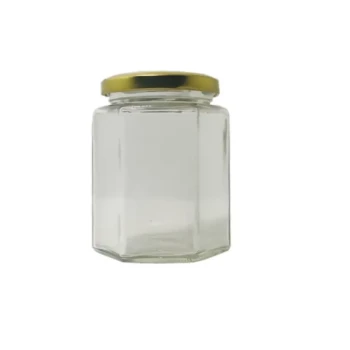
Light-shielded sampling jars are strictly necessary to prevent chemical degradation. The active ingredients in miticide strips, such as fluvalinate, are highly sensitive to ultraviolet (UV) light and degrade rapidly upon exposure. Shielding the jar protects the chemical potency during the required contact time, ensuring that the resulting mite counts are accurate and not artificially low due to weakened ingredients.
Core Takeaway Accurate Varroa monitoring relies on the stability of the chemical agents used to dislodge mites. Because these chemicals break down under UV light, utilizing opaque or black-painted jars is the only way to maintain the necessary concentration for an effective kill-rate, ensuring your data reflects the true infestation level.
The Chemistry of Vulnerability
Sensitivity of Active Ingredients
Many miticide strips rely on complex chemical compounds to function effectively. Specifically, ingredients like fluvalinate are inherently unstable when exposed to sunlight.
The Mechanism of Degradation
When UV light penetrates a standard clear sampling jar, it initiates a chemical breakdown of the miticide. This reaction reduces the concentration of the active agent available to act on the mites.
Impact on Efficacy
As the chemical degrades, its ability to paralyze or kill the Varroa mite diminishes. If the miticide loses potency during the contact period, mites that should have been collected will remain attached to the bees.
Ensuring Data Integrity
Preserving Contact Time Stability
For a mite count to be statistically valid, the miticide must operate at a consistent strength for the full duration of the test. Light-shielded jars, often coated with black paint, act as a barrier to maintain this stability.
Preventing False Negatives
The greatest risk of using non-shielded jars is the generation of false negative data. A degraded chemical yields a lower mite count, potentially leading a beekeeper to believe a heavily infested colony is safe.
Consistency Across Samples
Scientific monitoring requires that every sample be treated under identical conditions. Eliminating light exposure as a variable ensures that fluctuations in data are due to actual mite population differences, not the time of day or sunlight intensity.
Understanding the Trade-offs
Visibility vs. Validity
The primary downside of light-shielded jars is the loss of visual confirmation inside the container. You cannot easily inspect the bees or the strip placement without opening the jar, which requires a strictly disciplined workflow.
Material Requirements
While standard industrial-grade plastic bottles offer benefits like ethanol resistance and sealing, they are often transparent. Achieving light shielding requires the additional step of sourcing opaque materials or modifying standard jars with exterior coatings.
Making the Right Choice for Your Goal
If your primary focus is Data Accuracy:
- Prioritize jars with a complete blackout coating to prevent UV degradation of fluvalinate, ensuring every mite drop is counted.
If your primary focus is Field Efficiency:
- Utilize industrial-grade plastic materials that offer light shielding alongside durability, ensuring samples do not leak or degrade during transport.
If your primary focus is Long-Term Monitoring:
- Standardize your equipment to include light shielding across all sites to eliminate environmental variables that could skew historical data comparisons.
By protecting the chemistry of your sampling tools, you protect the validity of the decisions you make for your apiary.
Summary Table:
| Feature | Light-Shielded Jars | Standard Clear Jars |
|---|---|---|
| UV Protection | Full barrier prevents chemical breakdown | None; rapid degradation of active agents |
| Data Accuracy | High; prevents false negative results | Low; counts may be artificially reduced |
| Active Agent Stability | Maintains potency (e.g., fluvalinate) | Causes rapid loss of chemical efficacy |
| Primary Benefit | Reliable monitoring for treatment decisions | Visual monitoring (at the cost of accuracy) |
Scale Your Apiary Operations with HONESTBEE Professional Equipment
Precise Varroa mite monitoring is the foundation of a healthy colony, and the right equipment makes all the difference. At HONESTBEE, we specialize in supporting commercial apiaries and distributors with a comprehensive range of high-performance beekeeping tools. From industrial-grade sampling equipment and specialized hive-making machinery to honey-filling systems and cultural merchandise, we provide the full-spectrum wholesale solutions your business needs to thrive.
Ready to upgrade your inventory or streamline your commercial production?
Contact HONESTBEE today to explore our wholesale offerings and discover how our specialized beekeeping hardware and consumables can enhance your operational efficiency and data integrity.
References
- M. Taylor, Bernard C. Dominiak. Relative effectiveness of methods that sample worker honey bees to estimate Varroa destructor populations in Apis mellifera colonies. DOI: 10.1007/s13592-024-01143-y
This article is also based on technical information from HonestBee Knowledge Base .
Related Products
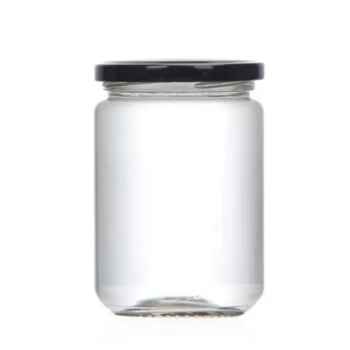
- Classic Round Glass Honey Jar with Lid
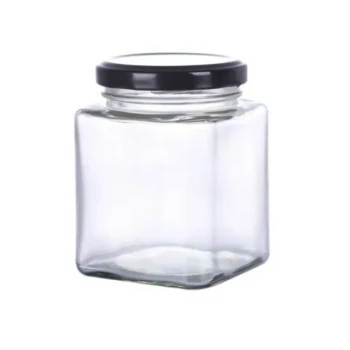
- Modern Square Glass Honey Jar with Twist Off Lid
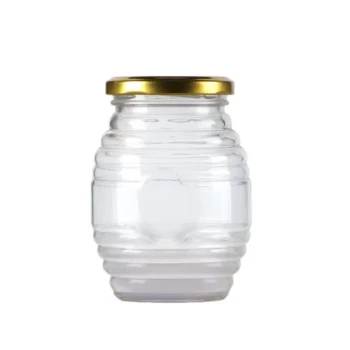
- Classic Drum Shaped Glass Honey Jar with Airtight Lid
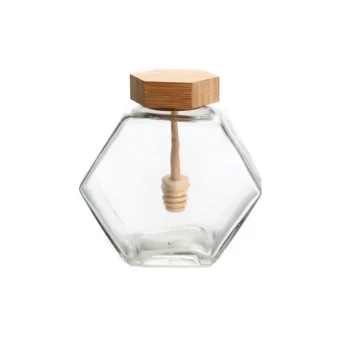
- Hexagonal Glass Honey Jar with Wooden Lid Integrated Dipper Elegant Functional Storage
- Classic Glass Honey Jar with Metal Lug Cap for Beehive Storage
People Also Ask
- What is the aesthetic appeal of using glass jars for honey? Elevate Your Brand with Premium Packaging
- What are the advantages of glass containers for honey? Elevate Quality and Market Value with Premium Packaging
- How does the appearance of glass jar packaging affect the sales and perception of honey? Boost Your Premium Brand Value
- Why is a glass jar preferred for packaging honey? Ultimate Protection for Purity & Flavor
- What are the advantages of using high-quality glass containers in the commercial packaging of honey? Boost Premium Value