The necessity of professional equipment lies in the critical balance between biological safety and nutritional preservation. Fresh bee pollen is an unstable raw material that serves as an ideal breeding ground for dangerous fungi. Professional equipment is required to rapidly reduce moisture content to safe levels and maintain strict hygiene, thereby preventing the formation of toxins like Ochratoxin A while preserving heat-sensitive nutrients.
Core Takeaway Deep processing of bee pollen requires a strictly controlled environment to mitigate the risk of mycotoxin contamination caused by fungal growth. Professional equipment provides the precise temperature regulation and sanitation protocols necessary to ensure product safety without destroying the delicate bioactive compounds that give pollen its commercial and medicinal value.
The Critical Role of Biological Safety
Preventing Fungal Proliferation
Fresh bee pollen is naturally rich in moisture and nutrients. This makes it an ideal substrate for the growth of Aspergillus, a fungus capable of producing dangerous mycotoxins.
Without rapid and effective intervention, the biological integrity of the pollen degrades immediately. Professional drying equipment is essential to halt this biodegradation process before it begins.
Eliminating Ochratoxin A Risks
The primary safety threat in pollen processing is Ochratoxin A, a toxic by-product of fungal growth.
Once present, mycotoxins are difficult to remove. Professional processing focuses on prevention by utilizing industrial-grade drying technology to rapidly lower moisture content, destroying the conditions required for fungal survival.
Machinery Sanitation and Hygiene
Drying the pollen is only half the battle; the processing environment itself must be sterile.
Industrial honey processing mandates strict cleaning and disinfection protocols for machinery. Professional equipment is designed to be sanitized effectively, preventing the equipment itself from becoming a vector for cross-contamination or mold spore retention.
Preserving Nutritional Integrity
Protecting Heat-Sensitive Compounds
Bee pollen is valued for its complex profile of bioactive substances, including enzymes, vitamins (specifically Vitamin B complexes), and amino acids.
These components are highly thermolabile, meaning they degrade rapidly under high heat. Professional equipment offers precise temperature controls that standard or manual drying methods cannot match.
Maintaining Bioactivity
To market bee pollen as a functional food or medicinal ingredient, its biological value must remain intact.
Specialized equipment stabilizes the thermal environment with minimal fluctuations. This prevents the denaturation of proteins and oxidative degradation, ensuring the final product retains its potential health benefits.
Avoiding Environmental Damage
Traditional drying methods, such as sun drying, expose pollen to ultraviolet (UV) radiation.
UV radiation can destroy bioactive substances. Professional equipment utilizes controlled airflow and temperature in a closed environment, protecting the raw material from UV damage and environmental contaminants.
Operational Consistency and Shelf Life
Uniform Dehydration
Inconsistent drying leaves "wet pockets" in the product, which become focal points for spoilage.
Industrial equipment ensures a uniform thermal field, often through convective drying technologies. This guarantees that every granule of pollen reaches the same safe moisture level, significantly extending the product's shelf life.
Enhancing Antioxidant Concentration
Properly regulated dehydration does more than just preserve; it can potentially improve the product profile.
Research indicates that appropriate professional dehydration technology can enhance the concentration of antioxidant substances. This adds value to the processed pollen compared to fresh or improperly dried alternatives.
Understanding the Trade-offs
The Risk of Thermal Overkill
While professional equipment is necessary, it must be calibrated correctly. The most common pitfall in industrial processing is prioritizing speed over quality.
Aggressive drying at high temperatures will effectively kill mold, but it will also destroy the enzymes and vitamins that make the product valuable. Operators must find the optimal balance—often using convective drying systems—to manage production costs without compromising nutritional quality.
Making the Right Choice for Your Goal
If your primary focus is Food Safety and Compliance:
- Prioritize equipment with high-throughput moisture removal and rigorous clean-in-place (CIP) sanitation features to eliminate the risk of Ochratoxin A.
If your primary focus is High-End Medicinal Quality:
- Select equipment with precision temperature controls and low-fluctuation thermal environments to maximize the retention of enzymes and Vitamin B complexes.
If your primary focus is Cost-Effective Production:
- Utilize industrial convective drying systems, which offer a strong balance between uniform drying efficiency and manageable investment costs for small-to-medium enterprises.
Ultimately, professional processing is not merely an option for efficiency; it is a mandatory safeguard against toxicity and the only method to deliver a stable, effective product.
Summary Table:
| Feature | Professional Equipment | Traditional/Manual Methods |
|---|---|---|
| Biological Safety | Eliminates Ochratoxin A risks through rapid drying | High risk of fungal growth and mold spores |
| Nutrient Retention | Precise temp control protects heat-sensitive vitamins | High risk of nutrient loss and UV degradation |
| Consistency | Uniform dehydration eliminates "wet pockets" | Uneven drying leads to localized spoilage |
| Hygiene Standards | Industrial-grade sanitation & CIP protocols | Difficult to disinfect; high contamination risk |
| Shelf Life | Significantly extended via stable processing | Short and unpredictable due to moisture |
Elevate Your Bee Product Quality with HONESTBEE
Transitioning from raw pollen to high-value commercial products requires precision and safety. HONESTBEE specializes in supporting commercial apiaries and distributors with professional-grade solutions. From specialized drying and honey-filling machines to a full spectrum of beekeeping tools and consumables, we provide the industrial hardware you need to eliminate biological risks and maximize nutritional potency.
Ready to scale your production and ensure market compliance? Contact HONESTBEE today to discover how our wholesale equipment and technical expertise can grow your beekeeping business.
References
- TOXIC RISKS ASSOCIATED WITH APITHERAPY PRODUCTS. DOI: 10.34302/crpjfst/2022.14.1.12
This article is also based on technical information from HonestBee Knowledge Base .
Related Products
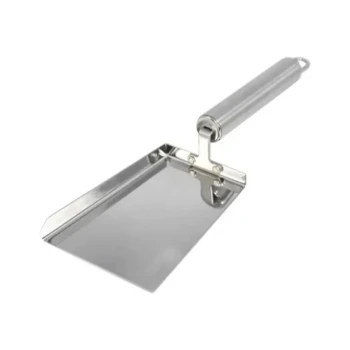
- Stainless Steel Pollen Shovel with Wooden Handle
- Heavy-Duty Ergonomic Stainless Steel Pollen Shovel
- Heavy-Duty Ergonomic Grip Galvanized Pollen Shovel
- Plastic Bee Pollen Trap Strips Comb Catcher Collector
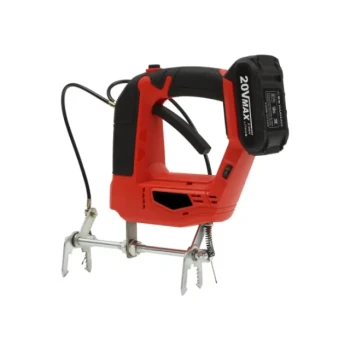
- High Performance Cordless Electric Bee Shaker for Beekeeping
People Also Ask
- How do bee pollen collection tools affect the quality of bee pollen used in functional dairy ice cream production?
- Why should commercial apiaries focus on the collection of diversified bee products? Maximize Your Hive’s Profit Potential
- How does a specialized pollen collector facilitate the harvesting of diverse bee products? Automate High-Value Yields
- What is the impact of pollen collectors and associated equipment on the cost structure of pollen production? Maximize ROI
- What is the technical significance of using specialized cutting tools for propolis? Master Precision Pollen Harvesting