Professional beekeeping protective gear is the fundamental enabler of safe, invasive hive management. Its primary function is to block bee attacks when a colony is disturbed, granting the beekeeper the security needed to perform close-range observations. Without this physical barrier, the high-frequency manual checks required to monitor colony health, reproductive progress, and honey reserves would be impractical and dangerous.
While the immediate benefit of protective gear is injury prevention, its deeper purpose is operational continuity. It allows the beekeeper to ignore defensive behavior and focus entirely on the precise, invasive inspections necessary for advanced apiary management.
The Operational Necessity of Protection
Enabling Invasive Management
To effectively manage an apiary, a beekeeper must frequently disrupt the colony's environment. Protective gear is a prerequisite for these invasive checks, allowing you to dismantle the hive structure to assess deep internal conditions without retreating.
Blocking Defensive Attacks
When a hive is opened, the colony perceives a threat and naturally launches a defensive attack. Professional gear creates an impenetrable seal, blocking stings and allowing you to stand your ground during these inevitable aggressive surges.
Facilitating Close-Range Observation
Accurate diagnosis requires getting close to the frames. The protection offered by veils and suits allows you to bring your face within inches of the comb to identify subtle signs of disease or locate the queen, regardless of the air density of flying bees.
Enhancing Inspection Quality
Promoting Calmness and Accuracy
Fear of pain causes rushing and jerky movements, which further agitates bees. By reducing the risk of stings, protective clothing allows the operator to work calmly and accurately, ensuring that inspections are thorough rather than hasty.
Preventing Predator Triggers
Professional gear is specifically designed with white, smooth materials. Dark or textured fabrics mimic natural predators (like bears or badgers) and trigger defensive instincts; proper gear minimizes this aggression, keeping the colony quieter during your work.
Protecting Critical Areas
Even with peaceful colonies, environmental factors can cause sudden agitation. Head protection (veils or helmets) is non-negotiable, as stings near sensitive areas like the eyes or lips are debilitating and can end an inspection immediately.
Understanding the Trade-offs: The Tactile Debate
The Limit of Gloves
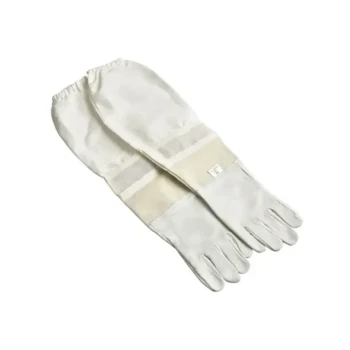
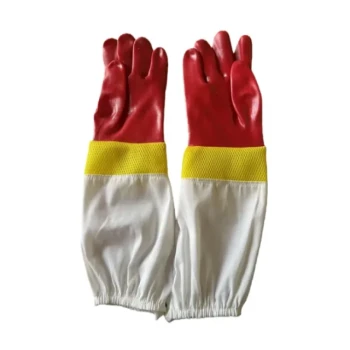
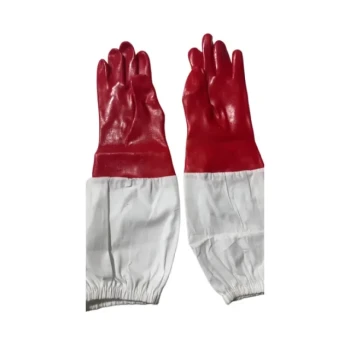
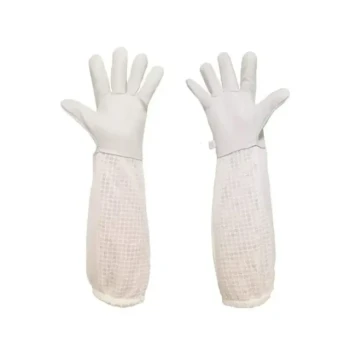
While suits and veils are universally recommended, full protection involves a trade-off in dexterity. Thick leather gloves provide maximum safety but significantly reduce tactile sensitivity.
The Argument for Bare Hands
Experienced beekeepers may forgo gloves to maintain high tactile sensitivity. This allows them to perceive internal hive temperature and feel the subtle movements of bees, preventing the accidental crushing of bees—which itself releases alarm pheromones and triggers more stinging.
The Protocol for Removal
Regardless of the level of protection chosen, safety protocols extend beyond the inspection. You must rigorously check zippers and folds after finishing to ensure no stray bees are trapped or transported away from the hive.
Making the Right Choice for Your Goal
- If your primary focus is safety and confidence: Wear full protective gear, including gloves, to create a complete physical barrier that allows you to learn hive mechanics without fear of injury.
- If your primary focus is surgical precision: Consider wearing a full suit/veil but removing gloves to increase tactile feedback, ensuring you do not crush bees or fumble delicate queens during manipulation.
The correct protective gear does not just protect your body; it stabilizes the environment, turning a chaotic encounter into a controlled management process.
Summary Table:
| Benefit Component | Key Function | Impact on Apiary Management |
|---|---|---|
| Invasive Management | Enables deep hive checks | Allows for accurate health and honey assessment |
| Defensive Blocking | Provides an impenetrable seal | Protects the operator from stings during colony aggression |
| Observation Quality | Facilitates close-range focus | Ensures subtle disease signs and the queen are easily identified |
| Material Design | White, smooth fabrics | Minimizes predator triggers and keeps bees calmer |
| Mental Focus | Promotes operator calmness | Reduces jerky movements and prevents further hive agitation |
Elevate Your Apiary Safety with HONESTBEE
At HONESTBEE, we understand that professional-grade protection is the backbone of successful commercial beekeeping. As a dedicated partner to commercial apiaries and distributors, we provide a comprehensive wholesale range of beekeeping tools, machinery, and essential consumables.
Whether you need high-durability protective suits that ensure operational continuity or specialized hive-making and honey-filling machinery, our portfolio is designed to enhance your efficiency and safety. Let us support your growth with hardware and merchandise tailored for industry leaders.
Ready to scale your beekeeping operations? Contact us today to explore our wholesale solutions!
References
- K Satpute Sachin. Monitoring of Honey Bee Hiving System using Sensor Networks. DOI: 10.17577/ijertv9is060296
This article is also based on technical information from HonestBee Knowledge Base .
Related Products
- Premium Cowboy Beekeeper Hat with Visibility Veil Outdoor Professional Beekeeping Protective Gear
- Premium Cotton Beekeeper Suit with Reinforced Fencing Veil
- White Cotton Beekeeping Jacket and Veil for Bee Keepers
- Beekeeping Gloves Goatskin Leather with Long Cotton Sleeve for Beekeepers
- Beekeeping Jacket with Hood and Veil for Beekeepers
People Also Ask
- What design features contribute to the stability and fit of the beekeeper hat? Key Features for Maximum Hive Safety
- How is the beekeeper hat designed for comfort and practicality? Explore Key Features for Enhanced Apiary Safety
- What is the general protective gear recommendation for new beekeepers? Your Essential Beginner's Safety Guide
- How does beekeeping protective gear facilitate the queen bee selection process? Enhancing Precision in Queen Breeding
- What should beekeepers consider when choosing protective gear? A Guide for Maximum Safety & Comfort