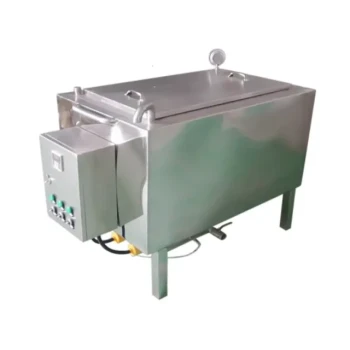
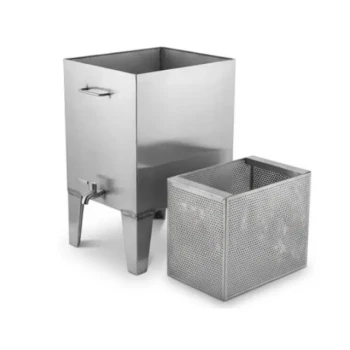
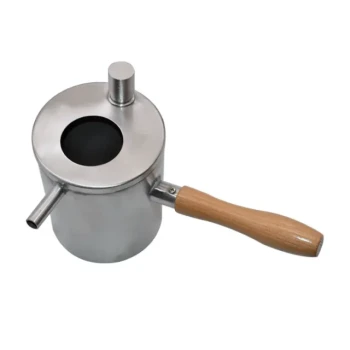
Specialized melting and filtration equipment is the critical link between raw apiary byproducts and high-value industrial materials. In a commercial supply chain, this technology is necessary to transform variable, impure raw wax into a standardized product with a uniform specification. It achieves this by mechanically removing contaminants while utilizing precise thermal controls to prevent the chemical degradation of the wax.
Core Takeaway: Raw beeswax is inherently inconsistent and contaminated; specialized processing is the only way to standardize it. By balancing rigorous filtration with precise thermodynamic control, this equipment maximizes market value and renders the wax suitable for sensitive applications like cosmetics and honeycomb foundations.
Transforming Raw Inputs into Commercial Assets
Ensuring Consistency and Uniformity
Raw beeswax varies significantly in quality depending on its source within the hive, such as old foundation or burr combs.
Commercial supply chains require a uniform specification to ensure reliability for downstream manufacturers.
Specialized equipment homogenizes these variable inputs, producing refined beeswax blocks that meet strict industrial standards.
Mechanical Removal of Impurities
Raw material often contains physical contaminants, including bee cocoons, mechanical debris, and general hive waste.
Processing machinery employs multi-stage filtration systems to effectively separate these impurities from the liquid wax.
This purification is a prerequisite for manufacturing honeycomb foundation sheets, which serve as the core consumables for guiding nest building inside hives.
Maximizing Economic Value
Unrefined beeswax is considered a raw material with limited application and lower value.
By processing this material into high-purity refined wax, producers can command significantly higher market prices.
This equipment allows businesses to accurately reflect asset values in their workflow and establish a clear basis for valuing production byproducts.
The Science of Preservation
Preventing Oxidative Degradation
Beeswax is sensitive to heat and oxygen; improper processing can destroy its chemical structure.
Advanced equipment creates specific thermodynamic conditions that allow for melting and decolorization without triggering oxidative degradation.
This ensures the final product remains stable and suitable for high-grade applications in the pharmaceutical and cosmetic sectors.
Precise Temperature Control
To filter wax effectively, it must be fully melted, yet excessive heat causes irreversible damage.
Specialized machines utilize controlled heating mechanisms, such as steam or electric systems, to maintain the optimal processing temperature.
This minimizes thermal damage, preserving the wax's structural integrity and preventing discoloration.
Retaining Biological Characteristics
High-quality beeswax is valued for more than just its physical structure; its aroma and biological properties are distinct assets.
Proper filtration removes dirt while preserving the biological activity and original aroma of the beeswax.
This balance is essential for industries that rely on the natural characteristics of the wax, rather than just its binding properties.
Understanding the Processing Trade-offs
Balancing Purity with Character
The primary challenge in beeswax refining is removing contaminants without stripping the wax of its essential identity.
Aggressive over-processing can lead to a sterile product that lacks the unique color and aroma required for certain markets.
Specialized equipment is designed to navigate this trade-off, ensuring the wax is clean enough for industry but remains biologically "authentic."
Thermal Efficiency vs. Processing Speed
Rapid melting often requires high heat, which poses a risk of burning or darkening the wax.
The trade-off for higher quality is often a more controlled, gradual heating process managed by the equipment.
Operators must rely on the machine's thermodynamic controls rather than rushing the process, as thermal damage significantly reduces the commercial value of the final block.
Making the Right Choice for Your Goal
Whether you are producing foundation sheets or supplying the cosmetic industry, the refining process dictates the utility of your end product.
- If your primary focus is Hive Health: High-purity filtration is essential to create clean honeycomb foundation sheets that effectively guide nest building.
- If your primary focus is Market Value: Use equipment that prevents oxidative degradation to produce premium, uniform wax blocks that command the highest prices.
- If your primary focus is Cosmetics or Pharma: Ensure your processing maintains strict thermodynamic conditions to preserve biological activity and meet safety standards.
Ultimately, specialized equipment converts a variable by-product into a predictable, high-value industrial asset.
Summary Table:
| Feature | Specialized Equipment Benefit | Impact on Commercial Value |
|---|---|---|
| Thermal Control | Prevents oxidative degradation & discoloration | High-purity grade suitable for pharma/cosmetics |
| Filtration | Multi-stage removal of cocoons and hive debris | Essential for producing honeycomb foundation sheets |
| Consistency | Homogenizes variable raw wax sources | Creates uniform specs for industrial reliability |
| Bio-Preservation | Retains natural aroma and biological activity | Commands premium market pricing for authentic wax |
| Efficiency | Optimizes thermodynamic processing speed | Reduces waste and protects structural integrity |
Scale Your Apiary Operations with HONESTBEE
At HONESTBEE, we specialize in transforming raw apiary byproducts into high-value commercial assets. We provide commercial apiaries and distributors with a comprehensive wholesale range of professional beekeeping machinery, including high-precision beeswax melting and filtration systems, hive-making machines, and honey-filling lines.
Our equipment is designed to ensure your wax meets the highest industrial standards while preserving its biological integrity. Whether you are manufacturing honeycomb foundations or supplying the global cosmetic market, our tools empower your business to maximize economic value and operational efficiency.
Contact HONESTBEE today to optimize your production line
References
- Modeste RANDRIANAMPIANA, Helinoro Diamondra RAZAIVAOVOLOLONIAINA. Study of factors limiting the development of beekeeping in the conservation of natural resources. DOI: 10.53771/ijstra.2022.3.1.0105
This article is also based on technical information from HonestBee Knowledge Base .
Related Products
- Electric Commercial Beeswax Melter for Factory Use
- Beeswax Melter for Candle Making Honey Bee Wax Melter
- Steam Beeswax Melter Wax Warmer for Wax Processing
- Solar Beeswax Melter Easy Solar Wax Melter for Beeswax
- Professional Stainless Steel Wax Melter for Beekeeping and Crafts
People Also Ask
- Why might a commercial beekeeper prefer an electric beeswax melter? Maximize Profit with Speed & Scale
- What safety precautions should be taken when melting beeswax? A Guide to Flammable Wax Handling
- What types of beeswax melters are available for different scales of beekeeping? Solar vs. Electric Melters Compared
- What are the three popular methods for melting beeswax? Safely Process Your Wax with Ease
- How do you melt beeswax without making a mess? Master Safe & Clean Techniques