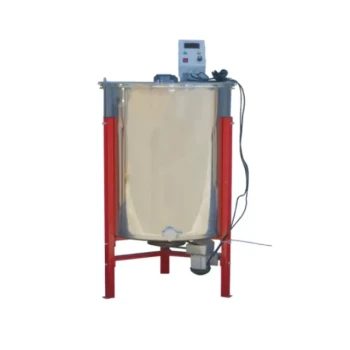
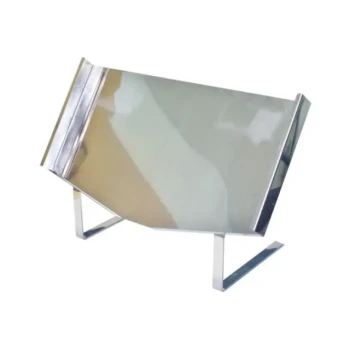
Stainless steel is the non-negotiable standard for honey extraction and processing due to its inert chemical properties and extreme durability. It provides the necessary corrosion resistance to withstand honey’s natural acidity (pH 3.2–4.5), preventing heavy metal leaching and ensuring compliance with international food safety standards. For B2B distributors and wholesalers, providing stainless steel machinery is a prerequisite for serving clients who target regulated global export markets.
High-grade stainless steel safeguards honey purity by neutralizing the corrosive effects of organic acids and preventing metal ion migration. For resellers, offering equipment made from these materials ensures long-term product reliability and legal compliance for end-users, stabilizing the entire supply chain.
The Science of Honey Acidity and Material Selection
Neutralizing Organic Acid Corrosion
Natural honey has a low pH, typically ranging from 3.2 to 4.5, which creates a highly acidic environment. Unlike galvanized steel or low-quality alloys, food-grade stainless steel does not react with these organic acids. This resistance prevents equipment degradation, protecting the commercial beekeeper's significant investment in machinery.
Preventing Heavy Metal Contamination
Unsuitable materials like aluminum or zinc can trigger chemical leaching when they come into contact with acidic honey. Stainless steel prevents the migration of heavy metals—such as lead, nickel, and chromium—into the final product. Maintaining this chemical purity is essential for exporters who must pass rigorous laboratory testing for international trade.
Preserving Sensory and Physicochemical Properties
Metal ion migration can cause honey to discolor or develop an "off" metallic taste. Stainless steel ensures that the sensory quality and biochemical activity of the honey remain stable from extraction to bottling. This stability is critical for distributors who market premium, high-grade honey products to health-conscious consumers.
Operational Advantages for Commercial Processing
Superior Hygiene and HACCP Compliance
The smooth, non-porous surface of industrial stainless steel prevents microbial buildup and the accumulation of impurities. This makes the equipment exceptionally easy to clean and disinfect, a core requirement for HACCP-certified facilities. Distributors can leverage these hygiene benefits as a primary selling point for large-scale commercial operations.
Moisture Control and Atmospheric Isolation
Honey is highly hygroscopic, meaning it readily absorbs moisture from the air, which can lead to fermentation. Professional stainless steel settling tanks provide a hygienic barrier that isolates the product from external humidity. This protection maintains the honey’s viscosity and prevents the pressure changes that lead to premature crystallization.
Durability in High-Volume Environments
Centrifuges and extraction lines undergo significant mechanical stress during the harvesting season. Stainless steel offers the structural integrity required to handle these loads without warping or surface cracking. For wholesalers, this translates to lower return rates and higher customer satisfaction due to the equipment's long service life.
Understanding the Trade-offs and Common Pitfalls
The Risk of Lower-Grade "Stainless" Options
Not all stainless steel is created equal; some lower-grade alloys lack the nickel content required for acid resistance. Using non-compliant materials can lead to "pitting," where small holes form in the metal, creating pockets for bacteria to grow. Wholesalers must ensure their suppliers provide certified food-grade materials (such as SUS304 or SUS316L) to avoid liability.
Initial Investment vs. Lifecycle Cost
Stainless steel equipment requires a higher upfront investment compared to plastic or galvanized alternatives. However, the lifecycle cost is significantly lower because it does not require frequent replacement or specialized coatings. Resellers should frame this as a "total cost of ownership" advantage to sophisticated B2B buyers.
Making the Right Choice for Your Distribution Portfolio
When selecting a manufacturing partner for your sourcing needs, consider the specific goals of your target market:
- If your primary focus is International Export Compliance: Prioritize equipment certified as SUS304 or SUS316L to ensure your clients meet strict heavy-metal residue limits.
- If your primary focus is Operational Scalability: Source from suppliers with a full-spectrum product portfolio and rapid response times to handle seasonal spikes in demand.
- If your primary focus is High-Turnover Retail: Look for polished, high-aesthetic finishes and "easy-clean" features that appeal to small-to-medium-scale commercial apiaries.
By prioritizing high-specification stainless steel, you empower your clients to produce world-class honey while securing your position as a trusted, expert partner in the global supply chain.
Summary Table:
| Key Feature | Benefit for Honey Quality | Advantage for B2B Resellers |
|---|---|---|
| Acid Resistance | Prevents heavy metal leaching (pH 3.2–4.5). | Meets strict international export standards. |
| Non-porous Surface | Inhibits microbial growth; easy to disinfect. | High HACCP compliance; lower return rates. |
| Chemical Inertness | Preserves natural flavor, color, and aroma. | Enhances premium market positioning. |
| Structural Durability | Resists warping under high mechanical stress. | Longer lifecycle and higher ROI for clients. |
| Hygroscopic Barrier | Prevents moisture absorption and fermentation. | Ensures product stability and shelf life. |
Scale Your Business with HONESTBEE’s Premium Equipment Solutions
Are you a distributor or wholesaler looking to dominate the commercial apiary market? HONESTBEE provides the one-stop sourcing edge you need. We offer a comprehensive, full-spectrum portfolio of beekeeping machinery—from precision honey-filling machines to industrial-grade extraction lines—all crafted from certified food-grade stainless steel.
Partner with us to unlock:
- Superior Profit Margins: High-quality OEM/ODM support tailored to your brand.
- Reliable Supply Chain: Ultra-fast delivery and efficient order fulfillment to meet seasonal demands.
- Expert Technical Support: Deep industry expertise to assist with complex commercial projects.
- Global Compliance: Equipment designed to pass the most rigorous international food safety certifications.
Ready to elevate your inventory with industry-leading technology? Contact our expert team today to discuss wholesale pricing and customized solutions.
References
- Willhams Andrade Silva, Glayciane Costa Góis. Physicochemical Analysis of Honey Produced and Sold in the Municipality of Senhor do Bonfim, Bahia. DOI: 10.4025/actascianimsci.v47i1.71987
This article is also based on technical information from HonestBee Knowledge Base .
Related Products
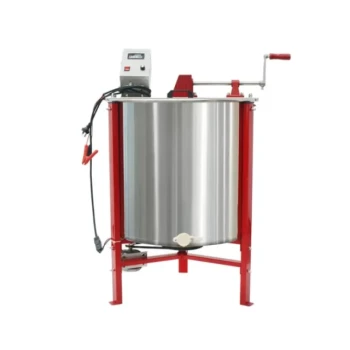
- electric honey extractor honey centrifuge 3 frame honey extractor stainless steel honey frame extractor
- Precision Stainless Steel Frame Cleaner for Hive Grooves and Corners
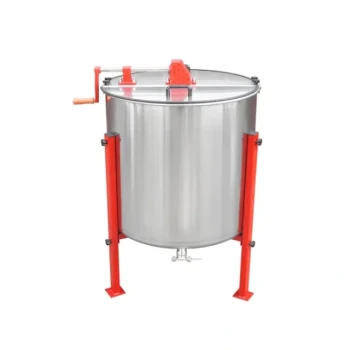
- Manual Hand Crank 4 Frame Honey Extractor Centrifuge for Beekeeping
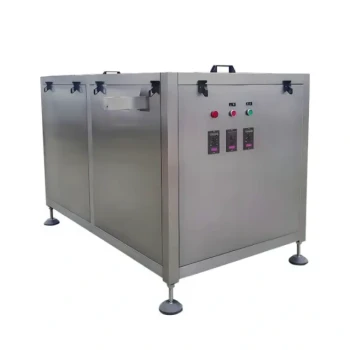
- Heavy Duty Stainless Steel Honey Processing Machine Decrystallizing Tank
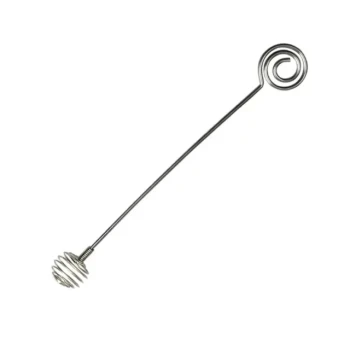
- Heavy Duty 304 Stainless Steel Honey Dipper
People Also Ask
- What are the characteristics of electric honey extractors? Boost Your Apiary Efficiency with Automated Technology
- What are the disadvantages of using an electric honey extractor? Weighing Cost, Power, and Comb Safety
- What are the advantages of an electric honey extractor? Boost Efficiency and Scale Your Honey Production
- What are the technical advantages of electric honey extractors? Maximize Yield and Protect Your Bee Colony
- How does an electric honey extractor affect the quality of honey? Preserve Flavor & Purity with Precision Extraction