Standardized beehive hardware is the structural backbone of migratory beekeeping. For operations involving frequent long-distance transport, uniform hardware provides the essential mechanical strength and physical compatibility required to survive the journey. It enables mechanized handling, ensures hives remain securely sealed to prevent livestock loss, and maintains the internal stability necessary for colony survival.
In the context of migratory beekeeping, standardization is not merely a convenience; it is a prerequisite for scalability. Uniform equipment guarantees physical integrity during transit, optimizes logistical efficiency through mechanization, and preserves the precise environmental conditions required for rapid colony recovery.
Ensuring Physical Integrity During Transport
Mechanical Strength and Durability
Migratory beekeeping subjects equipment to significant stress, including constant road vibration and varying environmental conditions. Standardized hardware is engineered with high mechanical strength to withstand these physical demands without structural failure. This durability prevents the collapse or warping of boxes, which could otherwise prove catastrophic during long hauls.
Preventing Livestock Loss and Stress
A critical function of standardized hardware is maintaining a seal that is both secure and breathable. When components fit together precisely, they prevent the accidental opening of gaps that allow worker bees to escape. By minimizing box damage and physical instability, standardization directly reduces stress on the colony, lowering mortality rates associated with transport.
Controlled Ventilation
Beyond physical containment, standardized designs ensure balanced ventilation throughout the hive stack. Uniform airflow is critical during transit to prevent overheating and suffocation. This controlled environment significantly reduces honeybee stress, ensuring colonies arrive at their destination in viable condition.
Operational Efficiency and Logistics
Mechanized Loading and Unloading
Speed is a critical factor in migratory operations. Standardized equipment facilitates the use of mechanized loading systems, such as forklifts and palettes. Because every unit shares the exact dimensions, hives can be stacked rapidly and securely, drastically reducing the manual labor and time required for mobilization.
Secure Fastening
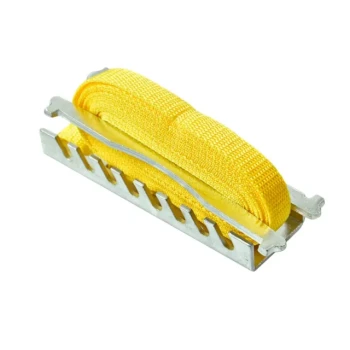
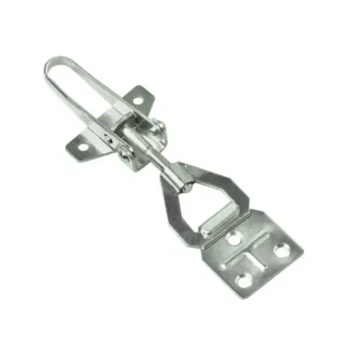
Uniform hive specifications allow for the rapid application of securing mechanisms on transport platforms. Standardized boxes align perfectly, allowing straps and fasteners to apply even pressure across the load. This prevents shifting during transit, which is a primary cause of equipment damage and colony loss on the road.
Biological Consistency and Management
The "Bee Space" Principle
Standardized manufacturing ensures that the gap between the hive body and the frames adheres strictly to the bee space principle. Industrial-grade woodworking guarantees that components are precise, preventing bees from gluing frames together with propolis or building burr comb. This precision is vital for maintaining a manageable internal structure.
Component Interchangeability
The result of precise manufacturing is total interchangeability. Frames and boxes can be moved between different hives without friction. This capability is the technical foundation for intensive management tasks, such as artificial swarming, queen replacement, and frame transfer, all of which are essential for large-scale production.
Rapid Colony Recovery
By providing a stable micro-environment with consistent temperature and humidity, standardized hives allow colonies to recover their vitality quickly after a move. Upon reaching nectar-rich regions, the colony can immediately focus on foraging and brood rearing rather than repairing the hive, thereby improving overall honey production efficiency.
The Economic Dimension
Beeboxes as Tradable Assets
In a migratory system, the standardized beebox functions as a tradable asset unit. Because the equipment is uniform, it materializes production capacity in a way that is easily quantified and transferred. Beekeepers can generate immediate cash flow by selling surplus boxes during peak seasons, treating the hardware itself as a liquid asset.
Understanding the Trade-offs
Initial Capital Investment
Implementing a fully standardized system requires purchasing industrial-grade equipment, which often carries a higher upfront cost than non-standard or DIY solutions. This can be a barrier to entry for smaller operations or those transitioning from traditional methods.
Rigidity of System
Standardization creates a rigid framework. If a specific local condition or unique biological situation calls for a modification to the hive structure, it is difficult to implement without breaking the interchangeability of the system. You trade flexibility for efficiency.
Making the Right Choice for Your Operation
For migratory beekeeping, the question is rarely if you should standardize, but how strictly you adhere to industrial tolerances.
- If your primary focus is logistical efficiency: Prioritize hardware compatible with mechanized loading systems to minimize labor costs and turnaround time.
- If your primary focus is colony health: Ensure your standardized components strictly adhere to the "bee space" principle to minimize internal stress and maximize ventilation during transit.
- If your primary focus is asset liquidity: Invest in widely accepted standard sizes (such as Langstroth dimensions) to ensure your equipment retains resale value and tradability.
Ultimately, standardized hardware transforms the beehive from a simple shelter into a scalable, industrial unit capable of sustaining high-yield production across changing geographies.
Summary Table:
| Key Feature | Benefit for Migratory Beekeeping | Impact on Operations |
|---|---|---|
| Mechanical Strength | Resists road vibration and stacking stress | Prevents hive collapse and damage |
| Uniform Dimensions | Enables mechanized loading (forklifts/pallets) | Reduces labor costs and loading time |
| Precise Bee Space | Eliminates burr comb and propolis buildup | Facilitates rapid frame interchangeability |
| Balanced Ventilation | Prevents overheating during long-distance hauls | Minimizes colony stress and mortality |
| Asset Liquidity | Standardized units are easily traded or sold | Increases ROI and cash flow flexibility |
Maximize Your Apiary's Potential with HONESTBEE
Standardization is the foundation of a profitable, industrial-scale beekeeping business. At HONESTBEE, we specialize in supporting commercial apiaries and distributors with high-precision, standardized beekeeping solutions. From durable beehive hardware and automated honey-filling machines to industrial hive-making equipment, we provide the tools you need to scale efficiently.
Whether you are managing thousands of colonies or supplying the next generation of beekeepers, our comprehensive wholesale portfolio ensures your operations remain stable, mobile, and highly productive.
Ready to upgrade your infrastructure? Contact our experts today to explore our wholesale equipment solutions!
References
- Carlos Aurelio Medina-Flores, Alison Gray. Honey Bee Colony Losses in Mexico’s Semi-Arid High Plateau for the Winters 2016–2017 to 2021–2022. DOI: 10.3390/insects14050453
This article is also based on technical information from HonestBee Knowledge Base .
Related Products
- Ergonomic Plastic Frame Spacer Tool for Rapid Hive Management Beekeeping
- Professional Galvanized Hive Strap with Secure Locking Buckle for Beekeeping
- Heavy Duty Adjustable Hive Connector
- Copper Bee Frame Eyelets for Beekeeping
- Durable Plastic Interlocking Hive Connector for Beekeeping
People Also Ask
- What specific challenges do beekeeping hive tools address during hive maintenance? Essential Solutions for Apiaries
- How do specialized beehive management tools assist in the routine maintenance of bee colonies? Boost Hive Efficiency
- How do specialized beehive management tools support high-purity honey production? Master Monofloral Isolation
- What are the approximate costs of basic beekeeping tools? Start Your Apiary for Under $85
- How do spring inspections for honeybee starvation symptoms guide apiary management? Optimize Colony Survival & Growth