Standardization turns disease control from a reactive task into a measurable operating system. In commercial bee operations, consistent hive hardware, feeding systems, layouts, and microclimate conditions reduce colony stress and limit management-related variation that can accelerate pathogen transmission. They also make health assessments more reliable, allowing teams to identify abnormal colonies earlier and apply population-level controls more effectively.
The core principle is control and comparability: standard equipment creates consistent physical conditions, while managed shade, ventilation, moisture, feeding, and hive placement reduce environmental stress and disease-spreading opportunities.
Why Variation Increases Disease Risk
Environmental stress weakens colony resilience
Temperature fluctuations, excess moisture, poor ventilation, and wind exposure can place continuous stress on colonies. A stressed colony may allocate more resources to thermoregulation and recovery, leaving fewer resources for brood care, food storage, hygienic behavior, and defense against pathogens and parasites.
Standardized hive designs with appropriate insulation, ventilation, frame dimensions, and joint alignment help buffer colonies against these physical stresses. They do not eliminate disease, but they reduce avoidable conditions that can make outbreaks more likely or more severe.
Inconsistent management obscures true health trends
If one apiary uses different hive types, feeding systems, shade conditions, or inspection routines, colony outcomes cannot be compared reliably. A higher disease rate may reflect equipment or environmental differences rather than a biological change in the bees.
Standardization reduces these confounding factors. Commercial operators can then distinguish genuine health problems from effects caused by inconsistent housing, feeding, or site management.
Localized microclimates create uneven exposure
Two hives only a few meters apart can experience different levels of sun, wind, humidity, and ventilation. These localized microclimates influence brood development, moisture accumulation, bee flight behavior, and the persistence of conditions favorable to pests or pathogens.
Controlling these variables does not require making every hive identical in every environmental detail. It requires identifying the relevant factors and managing them consistently enough that disease risk can be monitored and compared.
How Standardized Equipment Supports Disease Reduction
Consistent hive construction improves moisture and ventilation control
Precisely manufactured hive components create predictable internal conditions. Properly aligned joints and appropriately designed ventilation reduce moisture buildup and limit spaces where pests or pathogens may persist.
Consistent construction also makes defects easier to identify. A damaged or poorly ventilated hive can be corrected or removed without introducing an entirely different housing system into the operation.
Interchangeable components speed up sanitation and isolation
Standardized frames, boxes, covers, and other components can be exchanged across compatible hives. This allows teams to remove compromised frames, replace damaged equipment, and isolate affected colonies quickly.
Interchangeability is particularly valuable during an outbreak, when delays can increase contact between infected and susceptible colonies. It also supports repeatable cleaning, inspection, and replacement procedures.
Standard hardware improves inspection accuracy
When hive components have consistent dimensions and access points, technicians can inspect colonies using the same sequence and criteria. This makes it easier to identify changes in brood patterns, adult bee behavior, food stores, pests, or visible disease signs.
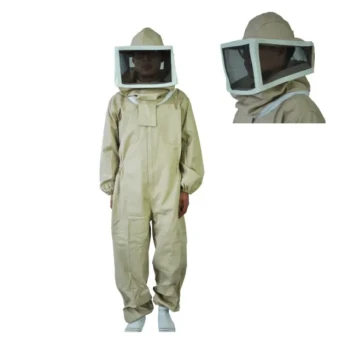
Standardized protective equipment also supports more complete inspections by reducing exposure to stings. Safer working conditions help technicians maintain regular surveillance rather than avoiding difficult or aggressive colonies.
Mechanized management becomes more reliable
Commercial operations depend on transport, extraction, hive handling, and other large-scale processes. Standardized hardware supports mechanized workflows because components are interchangeable and physical handling requirements are predictable.
This reduces management variation and makes it easier to apply consistent hygiene protocols, inspection schedules, and colony movement controls across multiple apiaries.
How Microclimate and Layout Control Transmission
Shade and sun exposure must be managed deliberately
Full sun and heavy shade can produce different thermal and humidity conditions inside hives. The correct choice depends on local climate, hive design, ventilation, and seasonal conditions, but uncontrolled differences make colony performance difficult to interpret.
Commercial operators should establish defined placement standards and document exceptions. Consistent siting makes it easier to determine whether health differences are caused by disease, environmental exposure, or management practices.
Feeding systems should be consistent and hygienic
Different feeding regimens can alter colony condition and create variation in nutritional stress. Feeding equipment and schedules should therefore be standardized wherever possible, with hygiene procedures that prevent contamination and unnecessary contact between colonies.
The objective is not simply to feed every colony identically. It is to ensure that differences in nutrition are deliberate, documented, and not the accidental result of inconsistent equipment or labor practices.
Apiary layouts influence drifting and contact
Bee drifting occurs when workers enter the wrong hive, potentially transferring pathogens, promoting robbing, and contributing to queen loss. Long, uniform rows with identical entrance orientations can increase orientation errors and inter-colony contact.
Curved, paired, or staggered arrangements with distinct entrance directions can reduce drifting. Windbreaks positioned approximately 4 to 6 feet from hive entrances may also reduce disruptive gusts that interfere with landing and orientation.
Wind and moisture require site-level controls
Wind can disrupt flight behavior and increase stress during landing, while poorly managed moisture can degrade hive conditions and support pest or pathogen persistence. Layout, elevation, drainage, ventilation, and protective barriers should be considered together rather than treated as isolated variables.
A standardized site assessment helps teams identify these risks before they become recurring disease-control problems.
Why Standardization Improves Epidemiological Decision-Making
Comparable data enables earlier detection
Disease surveillance is more useful when measurements are collected under comparable conditions. If hardware, inspection procedures, feeding systems, and layouts are consistent, changes in colony health are more likely to represent meaningful biological signals.
This improves the value of records such as mortality, brood condition, mite levels, treatment response, and colony productivity.
Consistent conditions support population-level interventions
Commercial disease control rarely depends on treating one colony in isolation. Operators may need to adjust movement, inspect neighboring colonies, replace equipment, modify hygiene practices, or apply coordinated pest-management measures.
Standardized infrastructure makes these actions faster and more consistent across the operation. It also helps managers identify clusters and evaluate whether an intervention is working.
Standardization supports Good Agricultural Practices
Good Agricultural Practices depend on repeatable processes, traceability, sanitation, and controlled inputs. Standardized hive equipment and documented microclimate controls provide the physical foundation for these systems.
High-quality equipment is especially important because substandard materials can create cracks, poor fit, moisture traps, and difficult-to-clean surfaces. However, equipment quality must be paired with hygiene and monitoring; hardware alone is not a biosecurity program.
Understanding the Trade-offs
Standardization is not the same as uniformity at any cost
A single hive configuration may not be optimal for every climate, bee strain, season, or production objective. The better approach is to standardize within defined operating zones while allowing documented adjustments for local conditions.
For example, ventilation or shade requirements may differ between hot, humid regions and cooler, drier sites.
Standard equipment does not remove disease risk
Pathogens, parasites, drifting, robbing, contaminated tools, and colony movement can still spread disease in a highly standardized operation. Standardization reduces avoidable variation and improves response capacity; it does not replace testing, sanitation, quarantine, or integrated pest management.
Layout changes require operational planning
Curved or staggered hive arrangements may reduce drifting, but they can affect transport access, mechanized handling, land utilization, and worker movement. Layout decisions should balance bee orientation and biosecurity with safe, efficient logistics.
Quality and compatibility must be verified
Equipment that is nominally standardized but poorly manufactured can introduce new risks through inaccurate dimensions, weak joints, inadequate ventilation, or incompatible replacement parts. Distributors and operators should verify specifications, material quality, interchangeability, and supply continuity before adopting a system at scale.
Making the Right Choice for Your Goal
A practical commercial program should connect equipment sourcing, site design, operating procedures, and health monitoring rather than treating them as separate purchases.
- If your primary focus is reducing disease transmission: Standardize hive components, feeding systems, inspection tools, sanitation procedures, and colony layouts, then add quarantine and monitoring protocols.
- If your primary focus is improving health data: Control shade, ventilation, moisture, feeding, and placement variables so colony comparisons reflect biological differences rather than inconsistent conditions.
- If your primary focus is operational efficiency: Choose compatible, interchangeable hardware that supports mechanized handling, rapid inspections, frame replacement, migratory transport, and efficient order fulfillment.
- If your primary focus is distributor or reseller value: Build a complete, compatible product portfolio covering hives, frames, feeders, protective equipment, machinery, and replacement parts, supported by reliable technical guidance and fast delivery.
- If your primary focus is long-term biosecurity: Prioritize durable, cleanable equipment with precise dimensions, and pair it with documented hygiene, drifting-reduction, and microclimate-management practices.
Consistent infrastructure gives commercial beekeepers the control, comparability, and response speed needed to manage disease risk at scale.
Summary Table:
| Key Factors | How It Reduces Disease Risk |
|---|---|
| Standardized Hive Construction | Predictable moisture & ventilation; easy defect identification |
| Interchangeable Components | Quick sanitation, isolation, and component replacement |
| Consistent Inspection | Reliable health data; early detection of anomalies |
| Mechanized Management | Uniform hygiene protocols; less management variation |
| Managed Microclimate | Reduced stress from temperature, humidity, and wind |
| Controlled Feeding | Prevent contamination; deliberate nutritional input |
| Layout & Hive Orientation | Less drifting & inter-colony contact |
| Comparable Data | Supports population-level interventions & GAPs |
Ready to strengthen your apiary's disease control? HONESTBEE offers a complete range of standardized hives, feeders, protective gear, and machinery—plus expert guidance on microclimate management and biosecurity. For distributors and commercial beekeepers, we ensure reliable supply, rapid delivery, and support for OEM/ODM needs. Contact us today to discuss your requirements and receive a tailored quote.
Related Products
- Professional Grade Foldable Beehive Handles
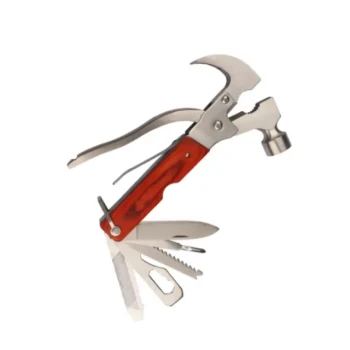
- HONESTBEE 15-in-1 Beekeeper Multi-Tool with Hammer and Pliers for Beekeeping
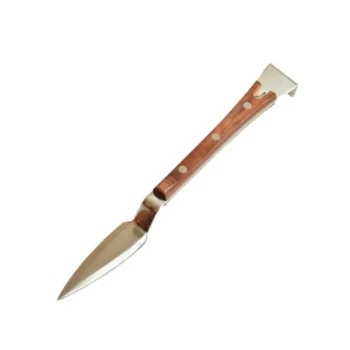
- HONESTBEE Professional Long Handled Hive Tool with Precision Cutting Blade
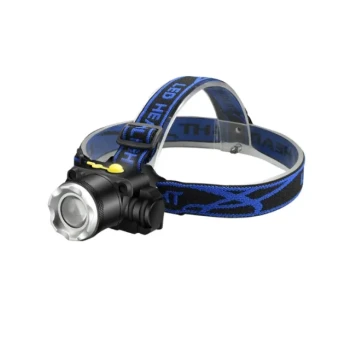
- Professional Rechargeable Beekeeping Headlamp Flashlight with Red Light Mode and Type-C Charging
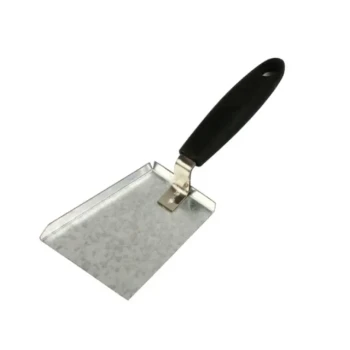
- Heavy-Duty Ergonomic Grip Galvanized Pollen Shovel
People Also Ask
- How do bee hive handles facilitate the evaluation of food stores? Use the Lift Test for Winter Survival
- How do hive handling tools and propolis management affect bee colony behavior during routine apiary maintenance? Minimize Disturbance with Precise Techniques
- How do the geometry and dimensions of hive handles influence operational safety and control? Expert Design Insights
- What is a bee hive tool? Discover Why It’s the Most Essential Hand Tool for Every Beekeeper
- What are the common sizes and features of bee hive tools? Choose the Right Tools for Your Apiary