Starting with two hives is recommended because it turns beekeeping into a manageable comparison-and-support system. Two colonies let you compare queen performance, population growth, brood patterns, stores, and health. They also allow carefully managed transfers of brood, eggs, pollen, or honey from a stronger colony to help a weaker one, while keeping labor and equipment requirements practical.
Two hives provide both a diagnostic reference and an operational backup. Each colony still requires its own complete hive, but many management tools and extraction assets can be shared.
Why Two Hives Are a Practical Starting Point
Compare colony health side by side
A single hive gives you limited context: you may recognize that something looks unusual, but you cannot easily determine whether it reflects a problem or normal variation.
With two colonies, you can compare queen-laying patterns, brood development, adult bee populations, food stores, and colony behavior under broadly similar conditions. Differences are easier to identify, which supports earlier intervention.
Support a weaker colony
Two colonies create an important management option that does not exist with only one. If one hive becomes weak or queenless, the stronger hive may be able to provide a frame containing eggs, young brood, pollen, or honey, depending on the situation.
A frame with suitable young brood can allow a queenless colony to attempt queen rearing, but this is not guaranteed and depends on colony condition, timing, and the availability of appropriate brood. Transfers should also be made with attention to disease and pest risks.
Increase productive capacity without doubling complexity
Two hives offer approximately double the colony capacity and potential honey output of one hive, but they do not require a completely separate set of tools for every colony.
The beekeeper can share smokers, hive tools, protective clothing, and honey-processing equipment. This makes two hives a practical entry point for learning, production, and gradual expansion.
Build a useful management baseline
The second hive is more than an additional production unit. It acts as a reference colony, helping the beekeeper evaluate whether a change in weather, forage, management, or equipment is affecting both colonies or only one.
This comparison can improve decision-making before problems become severe, particularly when inspecting colonies at the same time and recording observations consistently.
What Equipment Infrastructure Two Hives Require
Two complete hive assemblies
Each colony needs its own functional hive system. A two-hive setup should therefore include:
- Two bottom boards
- Two brood chambers
- Honey supers as required for colony development and production
- Frames for every brood chamber and super
- Two inner covers
- Two outer covers or roofs
The exact number of supers and frames depends on the hive design, local conditions, and operating goals. The essential principle is that each colony must have a complete, compatible housing system.
Standardized, interchangeable frames
Using hives and frames built to the same standard is particularly important in a two-colony operation.
Interchangeable frames make it easier to move brood, pollen, or stores between colonies and simplify replacement, expansion, inspection, and inventory management. For distributors and commercial suppliers, consistent dimensions and component compatibility are central to reliable fulfillment and repeat purchasing.
Shared inspection and handling equipment
The following items can generally serve both hives:
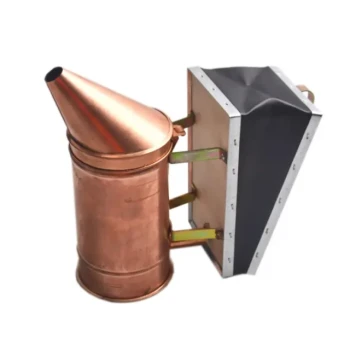
- Smoker
- Hive tools
- Protective veil or suit
- Gloves, where appropriate
- Bee brush or other inspection accessories
- Feeders and replacement components as needed
Protective equipment should be selected for the beekeeper’s working environment and handling method. Shared tools should also be managed carefully to reduce the risk of spreading pests or disease between colonies.
Honey extraction equipment
If the operation will harvest honey, it needs a suitable processing setup. Core equipment may include:
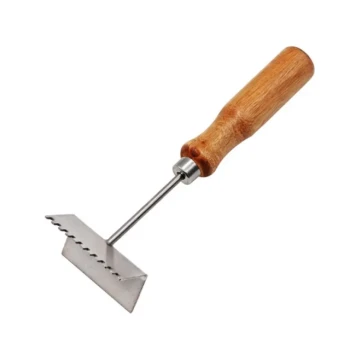
- Uncapping tools or an uncapping station
- Honey extractor
- Food-safe collection containers
- Strainers or filters
- Storage vessels
- Bottling equipment, if selling finished honey
For two hives, manual or small-capacity extraction equipment is usually more proportionate than a commercial extraction line. However, selecting modular equipment can make later expansion easier.
Apiary site infrastructure
The hives also require a suitable physical location with stable placement, adequate working space, and conditions that support regular inspection.
The site should allow safe access to the rear and sides of each hive, provide space for adding supers, and support orderly movement of equipment. A clean, organized layout becomes increasingly valuable as the number of colonies grows.
How Standardization Supports Expansion
Simplify purchasing and replenishment
A standardized hive platform allows a distributor or beekeeper to maintain a more efficient inventory of boxes, frames, covers, and hardware.
This supports one-stop sourcing, reduces compatibility problems, and makes urgent replacement orders easier to process. It also allows suppliers to provide a more complete product portfolio rather than isolated components.
Improve operational consistency
Uniform hive components help the beekeeper apply the same inspection methods across colonies. They also make it easier to compare colony performance because differences in equipment dimensions are less likely to influence the observations.
For B2B buyers, standardization can improve order accuracy, fulfillment speed, and customer service because recurring equipment requirements are easier to identify and stock.
Prepare for commercial requirements
Two hives do not require industrial-scale infrastructure. As an apiary expands toward substantial honey production or pollination work, however, the equipment requirements change.
Larger operations may eventually need durable hive hardware, mechanized uncapping equipment, and higher-capacity centrifugal extractors. The appropriate investment depends on colony count, labor availability, harvest volume, and sales commitments.
Understanding the Trade-offs
Resource sharing is not risk-free
Moving frames between colonies can help a weak hive, but it can also transfer pests or disease if the source colony is not healthy.
Resource balancing should therefore be based on inspection records and sound apiary hygiene. A stronger colony is not automatically a safe donor colony.
Two hives still require independent housing
Shared equipment does not eliminate the need for two complete hive bodies and their associated frames, covers, and bases.
The main savings come from shared tools and processing equipment—not from reducing the physical infrastructure required for each colony.
More honey is potential, not a guarantee
Two colonies provide greater production capacity, but actual honey yield depends on colony strength, queen quality, weather, forage availability, seasonal timing, and management.
The two-hive model should be evaluated as a way to improve resilience and learning as well as output.
Avoid overinvesting too early
A new two-hive operation generally does not need the same machinery as a large commercial apiary.
Buying high-capacity extraction or manufacturing equipment before production volume justifies it can tie up capital unnecessarily. Modular, durable equipment is usually the more rational path until growth is demonstrated.
Two colonies are not a complete backup for every loss
A second hive gives the beekeeper options, but it cannot eliminate biological risk. A serious disease event, pesticide exposure, queen failure, or forage shortage can affect both colonies.
The correct goal is greater flexibility and earlier detection, not guaranteed protection from loss.
How to Apply This to Your Apiary or Product Program
A two-hive setup should balance complete colony-level infrastructure with shared, reusable management equipment.
- If your primary focus is learning and colony health: Start with two standardized complete hives so you can compare development and identify abnormal conditions earlier.
- If your primary focus is colony resilience: Maintain interchangeable frames and inspect donor colonies carefully before transferring brood, stores, or other resources.
- If your primary focus is honey production: Equip both colonies with appropriate supers and use shared uncapping, extraction, filtering, and storage equipment sized to expected harvest volume.
- If your primary focus is distribution or wholesale supply: Offer complete hive packages alongside compatible replacement parts, protective equipment, tools, and extraction products to provide a reliable one-stop sourcing solution.
- If your primary focus is future expansion: Choose standardized, modular hive components and scalable extraction equipment rather than investing immediately in industrial machinery.
Two hives provide the smallest practical apiary structure that combines comparison, resource flexibility, and manageable operating costs.
Summary Table:
| Aspect | Two Hives | Single Hive |
|---|---|---|
| Colony Comparison | Enables side-by-side health and performance checks | Limited context for normal vs. abnormal variation |
| Resource Support | Can transfer brood, pollen, or honey to bolster weak colonies | No support option for weak colonies |
| Equipment Sharing | Tools and processing equipment can be shared, reducing costs | No sharing benefit |
| Expansion Potential | Modular, standardized equipment supports gradual growth | Less adaptable for future expansion |
| Risk Management | Greater flexibility and earlier detection of issues | Higher vulnerability to losses |
Equip your two-hive setup with HONESTBEE's complete, standardized hive packages and shared management tools. Our one-stop sourcing provides durable hardware, protective gear, and scalable extraction equipment, backed by rapid delivery and dedicated support. Whether you're a beekeeper or distributor, we help you enhance colony resilience and operational efficiency. Contact us today to discuss your needs and grow with confidence.
Related Products
- Professional Grade Foldable Beehive Handles
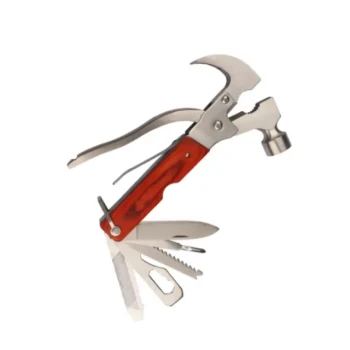
- HONESTBEE 15-in-1 Beekeeper Multi-Tool with Hammer and Pliers for Beekeeping
- Professional Rechargeable Beekeeping Headlamp Flashlight with Red Light Mode and Type-C Charging
- HONESTBEE Professional Long Handled Hive Tool with Precision Cutting Blade
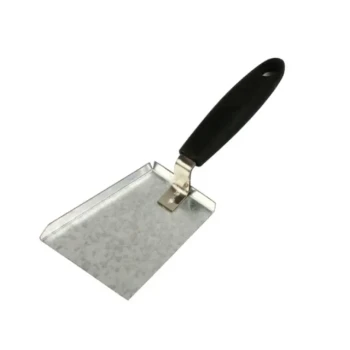
- Heavy-Duty Ergonomic Grip Galvanized Pollen Shovel
People Also Ask
- How do bee hive handles facilitate the evaluation of food stores? Use the Lift Test for Winter Survival
- How do hive handling tools and propolis management affect bee colony behavior during routine apiary maintenance? Minimize Disturbance with Precise Techniques
- How do the geometry and dimensions of hive handles influence operational safety and control? Expert Design Insights
- What is a bee hive tool? Discover Why It’s the Most Essential Hand Tool for Every Beekeeper
- What are the common sizes and features of bee hive tools? Choose the Right Tools for Your Apiary