Determining the true productive potential of a colony requires more than a simple headcount of hives. The estimation of total beehive comb surface area is necessary because it defines the biological and economic upper limits of the apiary, specifically quantifying the capacity for honey storage, brood rearing, and beeswax production.
By shifting focus from the number of hives to the total available comb surface area, apiary managers transform biological data into a concrete financial asset. This metric is the foundational baseline for accurately calculating current value and modeling future growth.
The Direct Correlation to Production Capacity
Defining the Storage Ceiling
The total surface area of the comb dictates the physical limit of your operation's inventory. A larger comb surface area directly indicates a higher upper limit for honey storage. Without calculating this area, you cannot accurately predict the maximum yield per hive during peak flow.
Quantifying Brood-Rearing Capability
Beyond storage, the comb serves as the nursery for future generations. The total surface area reflects the brood-rearing capacity of the colony. Knowing this metric allows you to assess the colony’s ability to sustain its population and recover from overwintering or disease.
Estimating Beeswax Output
The physical infrastructure of the hive is a marketable commodity in itself. Calculating surface area provides a reliable estimate of the potential output of beeswax. This allows for precise forecasting of secondary revenue streams beyond honey production.
From Data to Asset Management
Calculating True Asset Value
For commercial operations, a hive is a capital asset. However, not all hives are created equal. By measuring unit cell area and counting total cells per frame, owners can assign a specific data-driven value to each colony based on its productive infrastructure, rather than a generic market price.
Supporting Expansion Plans
Scaling an apiary requires precise resource allocation. Total comb surface area provides the necessary data support for future expansion. It enables managers to calculate exactly how much additional hardware is required to achieve specific production targets.
Understanding the Trade-offs
The Labor of Precision
Obtaining this data requires a granular approach, typically involving measuring unit cell areas and counting total cells per frame. This process is significantly more labor-intensive than visual inspections or weight checks. You must weigh the cost of this time investment against the value of the data it provides.
The Role of Standardization
While standardization simplifies management, it does not replace the need for calculation. As noted in industry standards, standardized beehives facilitate compatibility and maintenance. However, relying solely on hardware specifications without verifying actual comb build-out can lead to overestimating an apiary's active surface area.
Making the Right Choice for Your Goal
To apply this metric effectively, align your measurement efforts with your specific management objectives:
- If your primary focus is Asset Valuation: Calculate total surface area to prove the tangible production capacity of your apiary to investors or buyers.
- If your primary focus is Colony Health: Focus your measurements on the brood chamber frames to ensure the colony has sufficient capacity for population replacement.
- If your primary focus is Expansion: Use surface area data to model exactly how many additional frames are needed to meet your honey yield targets.
Data-driven management turns the complex biology of a beehive into a predictable, scalable business asset.
Summary Table:
| Metric | Business Impact | Management Value |
|---|---|---|
| Storage Ceiling | Defines maximum honey yield | Predicts peak flow revenue |
| Brood Capacity | Measures colony sustainability | Assesses population health and growth |
| Beeswax Output | Quantifies secondary commodities | Forecasts additional revenue streams |
| Surface Area Data | Provides precise asset valuation | Justifies investment and scaling costs |
Elevate Your Commercial Beekeeping Operation with HONESTBEE
At HONESTBEE, we understand that for commercial apiaries and distributors, precision equals profitability. Whether you are scaling your honey production or valuing your assets, having the right infrastructure is critical.
We provide a comprehensive wholesale range of:
- Advanced Machinery: Hive-making and honey-filling machines to streamline your production line.
- Durable Hardware: The full spectrum of beekeeping tools and equipment built for heavy-duty use.
- Essential Consumables: A wide array of industry-standard supplies to keep your colonies thriving.
- Branding Assets: Honey-themed cultural merchandise to help you market your final product.
Ready to maximize your total comb surface area and optimize your business growth? Contact us today to learn how our hardware and machinery solutions can empower your apiary's future.
References
- Adeolu Taiwo Ande, A.K. Musa. Annual Trends of Honeybee Activities and Their Correlation with Some Hive Characteristics in the Southern Guinea Savannah Vegetation Zone of Nigeria. DOI: 10.36108/nje/2102/92.0110
This article is also based on technical information from HonestBee Knowledge Base .
Related Products
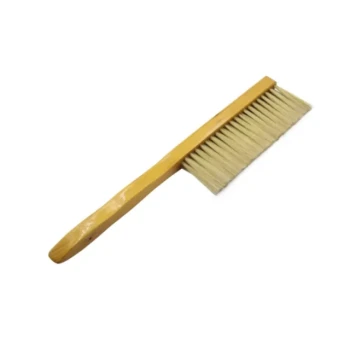
- Wooden Bee Brush with Double-Row Horsehair Bristles
- Professional Frame Comb Fork and Lifter for Efficient Handling
- Wholesales Dadant Size Wooden Bee Hives for Beekeeping
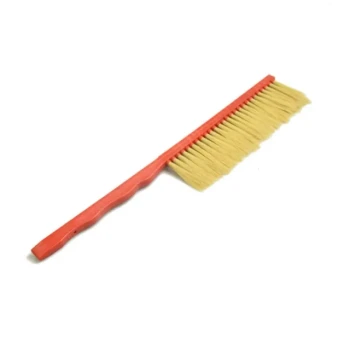
- Plastic Handle Single Row Artificial Fiber Bee Brush
- Wooden Bee Brush with Triple Row Artificial Fiber for Beekeeping
People Also Ask
- Why is a bee brush necessary when extracting honeybee hive frames that contain larvae? Protect Your Brood and Colony
- What is the correct way to use a bee brush and what actions should be avoided? Master Gentle Hive Management
- What are the specific functions of the bee brush and the sealed sampling bottle? Optimize Your Parasite Sampling.
- What is a bee brush and what is it used for? Master Precision Bee Removal with Gentle Sweeping Techniques
- What is a bee brush used for in beekeeping? Essential Tool for Safe Hive Inspections & Honey Harvesting