Regular replacement of wax foundations and combs acts as a biological reset button for the hive. By physically removing old wax structures, you directly eliminate accumulated pathogen spores and chemical residues that act as chronic stressors on the colony. This preventive maintenance significantly lowers the transmission risk of specific pathogens like Nosema ceranae, creating a safer environment for larval development and enhancing the colony's overall immunity.
Old combs function as reservoirs for bacteria, fungi, and chemical contaminants that degrade hive health over time. Replacing them breaks the chain of infection and stimulates natural wax secretion, resulting in a more vigorous and productive colony.
The Mechanism of Disease Prevention
Reducing Pathogen Load
Old wax combs are porous and retentive. Over time, they accumulate high concentrations of pathogen spores, including bacterial and fungal agents.
By removing these structures, you physically isolate the colony from these dormant threats. This drastically reduces the probability of reinfection and breaks the cycle of disease transmission within the hive.
Eliminating Chemical Residues
Pathogens are not the only contaminants trapped in old wax. Chemical residues from agricultural sprays or in-hive treatments also build up in the comb matrix.
Regular replacement prevents these toxic compounds from reaching levels that could compromise bee health or contaminate honey stores.
Enhancing Colony Vitality
A Safer Nursery for Larvae
The health of the entire colony depends on the successful development of the brood.
Providing new, clean foundations ensures that larvae develop in an environment free from the accumulated toxins and spores found in aged combs. This direct hygiene improvement boosts the immunity of the emerging workforce.
Stimulating Natural Behaviors
Introducing new foundations does more than just clean the hive; it triggers a physiological response.
The presence of new foundations stimulates the colony's wax-secreting behavior. This renewal process enhances the overall vitality and energy of the bees, contributing to a more active and robust population.
Understanding the Considerations
Energy Expenditure
While beneficial, drawing out new comb requires significant energy from the bees.
The colony must consume resources (honey or syrup) to produce the wax needed for new combs. Therefore, replacement should be timed carefully with resource availability to avoid stressing the colony during improved scarcity.
Quality of Materials
The success of this strategy relies on the input materials.
You must use high-quality wax foundations as the base for renewal. Inferior foundations may be rejected by the bees or fail to provide the structural integrity required for a healthy comb.
Making the Right Choice for Your Goal
To maximize the benefits of comb replacement, align your maintenance schedule with your specific apiary objectives.
- If your primary focus is disease control: Prioritize the immediate removal of the darkest, oldest combs to eliminate the highest concentration of Nosema spores and chemical residues.
- If your primary focus is colony vitality: Introduce high-quality foundations during periods of strong nectar flow to capitalize on the bees' natural wax-secreting drive.
By treating comb replacement as essential infrastructure maintenance, you secure the long-term resilience and productivity of your apiary.
Summary Table:
| Aspect | Old Comb Impact | New Foundation Benefits |
|---|---|---|
| Pathogen Load | High accumulation of spores (Nosema, bacteria) | Physically removes reservoirs; reduces infection risk |
| Chemical Residues | Traps pesticides and treatment residues | Provides a clean, toxin-free matrix for honey and brood |
| Brood Health | Larvae develop in contaminated environments | Enhances larval immunity and workforce vigor |
| Bee Behavior | Passive maintenance | Stimulates natural wax-secreting and hive renewal |
Secure Your Apiary’s Future with HONESTBEE
Maintaining a disease-free apiary starts with high-quality infrastructure. At HONESTBEE, we specialize in supporting commercial apiaries and distributors with a comprehensive range of professional beekeeping tools, machinery, and essential consumables.
Whether you need premium-grade wax foundations to stimulate colony vitality or advanced hive-making and honey-filling machinery to scale your operations, we provide the wholesale solutions you need to thrive. From hardware to honey-themed cultural merchandise, our portfolio is designed to enhance your productivity and honey quality.
Ready to elevate your beekeeping business? Contact us today to explore our wholesale offerings and see how HONESTBEE can strengthen your colony resilience!
References
- Ximena Araneda, Daniza Morales. Distribution, epidemiological characteristics and control methods of the pathogen Nosema ceranae Fries in honey bees Apis mellifera L. (Hymenoptera, Apidae). DOI: 10.4067/s0301-732x2015000200002
This article is also based on technical information from HonestBee Knowledge Base .
Related Products
- Manual Beeswax Comb Foundation Machine Wax Foundation Mill Embossing Machine
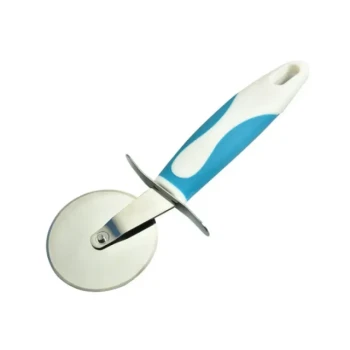
- Professional Rolling Wax Cutter with Ergonomic Handle
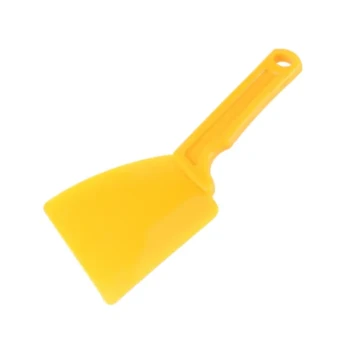
- Professional Honey Scraper for Efficient Apiary Maintenance
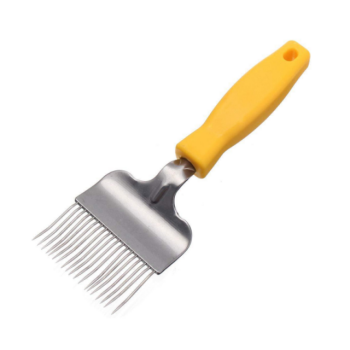
- Professional Wide Blade Honey Scraper for Beekeeping and Honey Processing
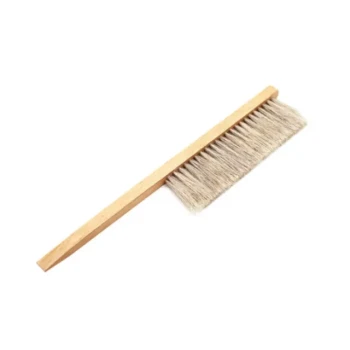
- Wooden Bee Brush with Double-Row Horsehair Bristles
People Also Ask
- What are the primary technical challenges faced by beeswax foundation production machinery? Tackling Lipophilic Residues
- What are the advantages of implementing a pulley and belt drive system in beeswax foundation machinery? Master Quality.
- What role does a foundation machine play in the recycling and resource utilization of beeswax within an apiary?
- Why is the introduction of a beeswax foundation machine considered an important step in improving honey yields?
- How do beeswax foundation machines facilitate the internal recycling of beeswax? Build a Self-Sustaining Apiary