Boiling water disinfection is necessary because it provides a definitive physical method to eradicate Small Hive Beetles (SHB) across their entire lifecycle. By subjecting contaminated tools to extreme temperatures, this process effectively denatures the proteins within SHB eggs, larvae, and adults, ensuring total elimination of the pest.
Use boiling water immersion to guarantee the interruption of mechanical transmission. This physical decontamination ensures that stored or rotated equipment does not become a vector for re-introducing beetles into healthy colonies.
The Mechanics of Thermal Decontamination
Denaturing Biological Proteins
The primary efficacy of boiling water lies in its ability to denature proteins. Small Hive Beetles, like all biological organisms, rely on specific protein structures to survive.
Subjecting the beetles to boiling water causes these structures to collapse immediately. This is effective not just against visible adults, but also against cryptic eggs and larvae that may be hiding in crevices.
Treating Inert Materials
This method is specifically optimized for inert materials, such as hive frames or empty combs.
It is particularly useful for equipment that is "no longer suitable for use" in its current state due to heavy infestation. Boiling resets the equipment, stripping it of biological contaminants so it can be reclaimed or safely discarded.
Preventing Mechanical Transmission
Stopping the Spread
The greatest risk in managing SHB is mechanical transmission. This occurs when a beekeeper unknowingly moves contaminated tools from an infested hive to a clean one.
Boiling water immersion creates a "zero-state" for your tools. It ensures that no viable biological material remains, severing the chain of transmission between colonies.
Safe Storage and Rotation
Storing equipment with latent SHB eggs creates a ticking time bomb for your operation.
By treating equipment before storage, you prevent the introduction of new contamination sources. This allows you to rotate equipment back into active hives in the future without the risk of triggering a new infestation.
Understanding the Trade-offs
Physical vs. Chemical Disinfection
While chemical disinfectants are crucial for eliminating microscopic pathogens like foulbrood or molds, they may not physically remove or kill macro-pests like SHB as instantly as heat.
Boiling water is a physical decontamination process. It does not leave chemical residues, but it focuses on heat shock rather than chemical sterilization.
Material Limitations
Boiling water is aggressive. While excellent for sanitizing frames or metal tools, it is distinct from methods like high-temperature paraffin dipping, which is designed to preserve wood and increase durability.
If your goal is to waterproof and preserve the wood while killing spores, paraffin is superior. If your goal is immediate pest eradication on existing tools, boiling water is the standard.
Making the Right Choice for Your Apiary
Different threats require different sterilization protocols. Select the method that targets your specific biosecurity risk.
- If your primary focus is eradicating Small Hive Beetles: Use boiling water to thermally destroy eggs, larvae, and adults to prevent mechanical transmission.
- If your primary focus is eliminating microscopic pathogens (Foulbrood/Mold): Utilize chemical disinfectants or ozone equipment to sterilize surfaces without relying solely on heat.
- If your primary focus is wood preservation and spore killing: Choose high-temperature paraffin dipping to sterilize deep into the wood fibers while adding a waterproof layer.
By integrating boiling water disinfection for pest control, you safeguard your apiary against the cyclical re-infestation of Small Hive Beetles.
Summary Table:
| Disinfection Method | Primary Target | Action Mechanism | Best For |
|---|---|---|---|
| Boiling Water | Small Hive Beetles (SHB) | Thermal protein denaturation | Rapid pest eradication on inert tools |
| Chemical/Ozone | Bacteria & Fungi (Foulbrood) | Chemical sterilization | Surface sanitation and pathogen control |
| Paraffin Dipping | Wood Spores & Pests | High-heat saturation & sealing | Long-term wood preservation and sterilization |
Secure Your Apiary’s Biosecurity with HONESTBEE
Don't let Small Hive Beetles compromise your commercial operation. HONESTBEE provides professional-grade beekeeping machinery and tools designed for high-efficiency disinfection and hive maintenance.
Whether you are a commercial apiary seeking high-volume honey-filling machines or a distributor looking for a comprehensive wholesale range of hive-making equipment and industry consumables, we deliver the specialized hardware you need to thrive. From hardware to honey-themed cultural merchandise, we help you scale with quality and reliability.
Ready to upgrade your equipment? Contact us today to discuss how our wholesale solutions can optimize your beekeeping business!
References
- Natalia Bulacio Cagnolo, Karina Antúnez. Current status of the small hive beetle Aethina tumida in Latin America. DOI: 10.1007/s13592-023-00995-0
This article is also based on technical information from HonestBee Knowledge Base .
Related Products
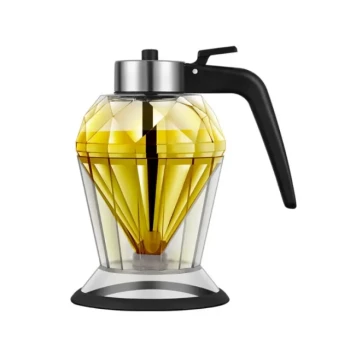
- Premium Diamond-Faceted Glass Honey Dispenser
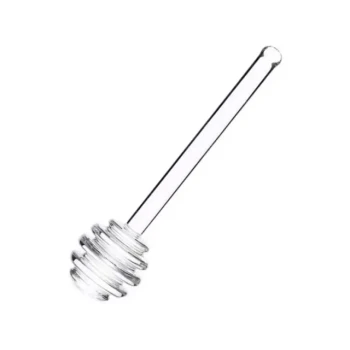
- Premium Heat-Resistant Glass Honey Dipper
- 5 Gallon Pail Opener Bucket Opener Tool for Honey Bucket
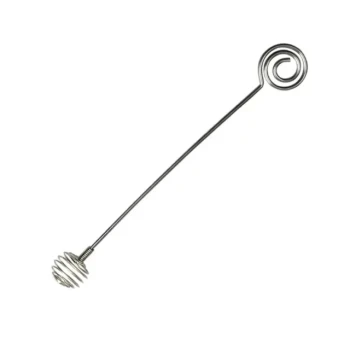
- Modern Stainless Steel Honey Dipper Stirrer
- Professional Stainless Steel Honey Filtering Machine with Water Bath Heating for Beekeeping
People Also Ask
- How to clean a honey dripper? A Simple Guide to Preserve Your Tool's Quality
- What is the proper method for cleaning a honey dipper? Maintain Pure Flavor with These Easy Pro Tips
- What is a honey dipper? Master the Art of the Perfect Drizzle with This Essential Tool
- How do you clean and store a honey dipper? Simple Steps for Long-Lasting Performance
- What is a honey taking spoon called? Discover the Tool for a Perfect, Mess-Free Drizzle