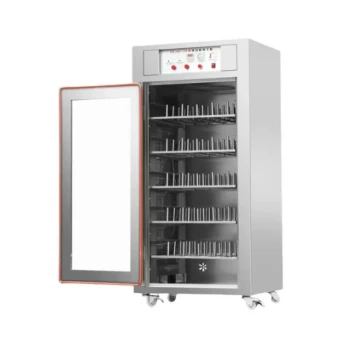
Cryogenic freezing is the definitive method for preserving the structural and chemical integrity of pollen samples. It functions by arresting microbial growth and halting enzymatic reactions triggered by moisture, which would otherwise degrade the pollen's texture, color, and chemical composition.
The Core Reality: Without substantial cold storage, pollen samples undergo rapid biological degradation that compromises scientific data. Freezing effectively "pauses" the sample's biological state, ensuring that physical characteristics and genetic material remain unaltered for future analysis.
Preserving Physical and Chemical Stability
Halting Enzymatic Degradation
Moisture is the primary catalyst for degradation in pollen. It triggers enzymatic reactions that break down the sample from the inside out.
Cryogenic freezers neutralize this threat by locking moisture in a solid state. This prevents the chemical shifts that alter the pollen's original color and texture.
Preventing Microbial Growth
Pollen is organic matter and highly susceptible to colonization by bacteria and fungi. At ambient temperatures, microbial growth can ruin a sample quickly.
Maintained at temperatures of -18°C or lower, freezers create an environment where these microorganisms cannot proliferate. This ensures the sample remains sterile enough for sensitive laboratory work.
Stopping Oxidation of Bioactive Components
Beyond visible spoilage, invisible chemical changes occur at room temperature. Bioactive substances, lipids, and vitamins are prone to oxidation.
Freezing significantly inhibits these chemical reaction rates. This preserves the original nutritional profile, which is critical if you are conducting comparative studies across different seasons.
Ensuring Reliability for Lab Analysis
Facilitating Microscopic Identification
Accurate identification relies on the visibility of specific physical traits. If the texture or shape of the pollen load degrades, microscopic assessment becomes unreliable.
Proper cold storage ensures samples withstand the rigors of separation and staining. This guarantees that the visual data collected under the microscope reflects the pollen's true state at the time of collection.
Protecting Genetic Integrity
For researchers using modern molecular techniques, physical preservation is not enough. The DNA molecules within the pollen must remain intact.
Low-temperature storage prevents the fragmentation of plant DNA. This is a non-negotiable requirement for accurate species identification using DNA metabarcoding technology.
Understanding Storage Requirements and Risks
The Role of Vacuum Sealing
Freezing alone may not be sufficient if the sample is exposed to air within the freezer. Oxygen can still cause gradual degradation over long periods.
To maximize stability, samples should be stored in vacuum packaging made of polyamide and polyethylene composites. This blocks the intrusion of both moisture and oxygen, preventing "freezer burn" or nutrient degradation.
Temperature Consistency is Critical
The specific temperature threshold matters. While "freezing" is the general term, the most effective preservation occurs at -16°C to -20°C.
Storage above these temperatures may slow degradation but fail to stop it completely. Consistent maintenance of this deep-freeze state is vital for long-term sample viability.
Optimizing Your Preservation Strategy
To ensure your data withstands peer review and analysis, align your storage method with your specific research goals:
- If your primary focus is microscopic morphology: Prioritize stopping enzymatic reactions to maintain the texture, color, and physical shape required for staining and visual identification.
- If your primary focus is genetic sequencing: Ensure temperatures remain consistently at -18°C or lower to prevent the degradation of DNA molecules essential for metabarcoding.
- If your primary focus is nutritional profiling: Combine deep freezing with vacuum sealing to prevent the oxidation of lipids and bioactive vitamins.
Ultimately, the reliability of your final assessment is directly defined by the rigorousness of your cold storage protocol.
Summary Table:
| Preservation Factor | Impact of Cryogenic Freezing | Scientific Benefit |
|---|---|---|
| Enzymatic Activity | Complete suspension of reactions | Maintains original color and texture |
| Microbial Growth | Inhibits bacteria and fungi at -18°C | Ensures sample sterility for lab work |
| Bioactive Lipids | Minimizes oxidation rates | Preserves nutritional and chemical profile |
| Genetic Material | Prevents DNA fragmentation | Enables accurate DNA metabarcoding |
| Physical Structure | Protects microscopic morphology | Ensures reliable species identification |
Secure Your Research Integrity with HONESTBEE Professional Solutions
At HONESTBEE, we understand that the quality of your output depends on the precision of your equipment. Whether you are a commercial apiary looking to maintain the value of your pollen harvest or a distributor supplying high-end research tools, we provide the industrial-grade machinery you need to succeed.
Our value to your business:
- Comprehensive Equipment Range: From specialized hive-making and honey-filling machines to advanced storage solutions.
- Quality Assurance: Wholesale tools and consumables designed to meet the rigorous demands of the modern beekeeping industry.
- Expert Support: Helping you optimize your workflow for maximum efficiency and sample preservation.
Don't let biological degradation compromise your success. Contact HONESTBEE today to explore our full spectrum of beekeeping machinery and wholesale supplies tailored for professionals.
References
- Vasilios Liolios, Chrysoula Tananaki. A Comparative Study of Methods Recording Beekeeping Flora. DOI: 10.3390/f14081677
This article is also based on technical information from HonestBee Knowledge Base .
Related Products
- Solar Beeswax Melter Easy Solar Wax Melter for Beeswax
- Heavy-Duty Ergonomic Grip Galvanized Pollen Shovel
- HONESTBEE AC Powered Wire Embedder with Alligator Clips
- Economy Small Scale Honey Dryer Dehumidifier Thickening Machine
- Classic Round Glass Honey Jar with Lid
People Also Ask
- How does a solar melter work to process beeswax? The Eco-Friendly Way to Pure Wax
- What is a solar wax melter and how does it work? Harness the Sun for Pure Beeswax
- What are the benefits of using a solar wax melter? Harness the Sun for Pure, Cost-Effective Beeswax
- What is the purpose of a solar wax melter in beekeeping? Sustainable Wax Processing for Modern Apiaries
- How does a solar-powered frame wax melter work? Harness the Sun for Sustainable Beekeeping