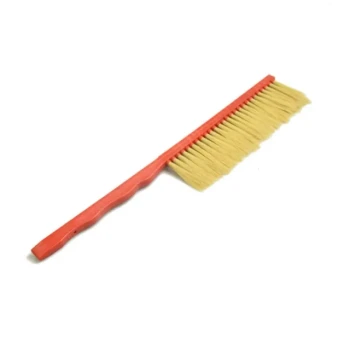
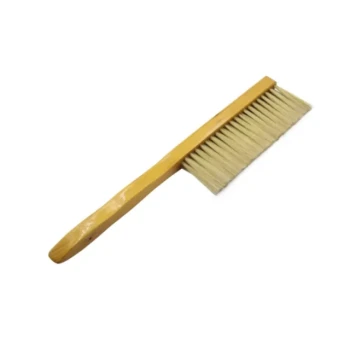
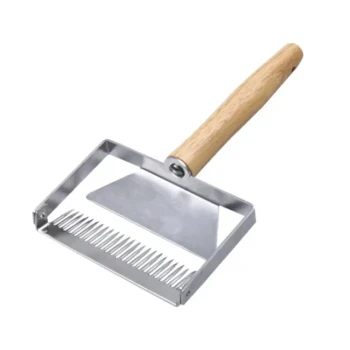
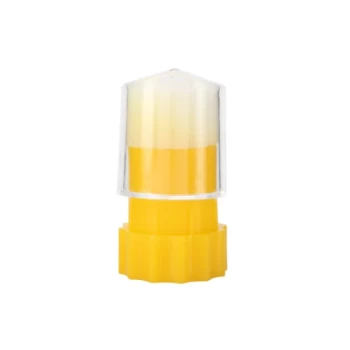
The precision application of non-toxic pigments is the fundamental reason specialized marking brushes or wire marking tools are required in honeybee research. These tools allow scientists to carefully apply distinct identifiers to the thorax of a bee, enabling the tracking of specific individuals within a large colony.
Core Insight:
These tools are not just about labeling; they are essential for distinguishing between returning foragers and new arrivals at a specific site. This distinction is the baseline for studying critical cognitive behaviors, such as site fidelity and positional memory, particularly in environments impacted by pesticides.
The Mechanics of Identification
Precision Application to the Thorax
The primary function of marking brushes and wire tools is to deposit pigment onto the thorax of the honeybee.
This body segment is the ideal location for marking because it is rigid and visible from above. Unlike the abdomen, which expands and contracts, the thorax provides a stable canvas that ensures the mark remains visible without interfering with the bee's flight or movement.
Ensuring Non-Toxic Safety
The tools are designed to work with non-toxic pigments.
Because the goal is often to measure survival or behavioral health, the marking process itself cannot harm the subject. Specialized tools ensure the correct amount of pigment is applied—enough to be seen, but not so much that it grooms off or creates toxicity issues for the bee.
Differentiating Individuals
In a hive of thousands, individual identification is impossible without artificial aids.
By using these tools to apply specific colors or marks, researchers can distinguish between a forager that has returned to a food source multiple times and a bee that is arriving for the first time. This differentiation is the only way to generate accurate data on individual performance rather than just aggregate colony activity.
Critical Research Applications
Assessing Site Fidelity
One of the most significant reasons for using these tools is to study site fidelity.
Researchers need to know if a specific bee remembers and prefers a specific feeding location. By marking the bee upon its first visit, they can track how often it returns, providing insight into the bee's loyalty to a resource patch.
Studying Positional Memory in Hazardous Areas
These tools are vital for assessing positional memory, especially in the context of environmental stressors.
When studying pesticide-contaminated areas, researchers use marked bees to understand if exposure affects the bee's ability to navigate back to a site. If a marked bee fails to return or shows erratic fidelity compared to a control group, it suggests the chemical exposure may be degrading their cognitive mapping abilities.
Understanding the Trade-offs
Manual Precision vs. Scalability
Using brushes and wire tools is a highly manual, labor-intensive process.
While this method offers high precision for identifying specific individuals, it is difficult to scale to thousands of bees quickly compared to mass-marking methods. It is best suited for targeted experiments where the behavior of specific individuals matters more than broad population averages.
Durability of the Mark
The effectiveness of the study relies entirely on the persistence of the pigment.
If the application is too light due to poor tool usage, the mark may fade or be groomed off by other bees. Conversely, if the application is too heavy, it may encumber the bee. The specialized nature of the tool helps the researcher find the "Goldilocks" zone of application durability.
Making the Right Choice for Your Goal
The necessity of these tools depends on the granularity of data you require for your study.
- If your primary focus is behavioral cognition: You must use precision tools (brushes/wire) to track individual site fidelity and memory, as aggregate counts will not reveal cognitive deficits.
- If your primary focus is toxicology assessments: You need these tools to distinguish between exposed foragers returning to a contaminated site and new, unexposed recruits entering the area.
Accurate marking transforms a honeybee colony from a collective swarm into a recognizable network of individuals with distinct histories.
Summary Table:
| Tool Feature | Purpose in Bee Research | Impact on Data Accuracy |
|---|---|---|
| Precision Tip | Targeted thorax application | Ensures mark visibility without flight interference |
| Non-toxic Compatibility | Safe pigment delivery | Maintains bee health for long-term behavioral studies |
| Individualization | Unique color/mark coding | Distinguishes between individual foragers and new recruits |
| Durability Control | Optimal pigment thickness | Prevents grooming loss while avoiding physical encumbrance |
Elevate Your Beekeeping Operations with HONESTBEE
At HONESTBEE, we understand that whether you are conducting precision research or managing a commercial enterprise, the right equipment is the foundation of success. We cater to commercial apiaries and distributors by providing a comprehensive wholesale selection of professional-grade beekeeping tools, machinery, and essential industry consumables.
From specialized hardware like hive-making and honey-filling machines to a wide array of high-quality tools and honey-themed cultural merchandise, we deliver the value and reliability your business needs to thrive.
Ready to scale your operation or stock the best in beekeeping technology?
Contact us today to explore our wholesale solutions
References
- V. Girolami, Andrea Tapparo. Effect of repeated intakes of a neonicotinoid insecticide on the foraging behaviours of Apis mellifera in field trials. DOI: 10.1007/s11356-022-22977-y
This article is also based on technical information from HonestBee Knowledge Base .
Related Products
- Classic Wooden Bee Brush with Double-Row Boar Bristles
- Plastic Handle Single Row Artificial Fiber Bee Brush
- Wooden Bee Brush with Triple Row Artificial Fiber for Beekeeping
- Queen Bee Marking Pen POSCA Queen Marking Pens for Beekeeping Bee Markers
- Wooden Bee Brush with Double-Row Horsehair Bristles
People Also Ask
- What are the key features of a popular bee brush? Essential Design for Bee Safety and Hive Hygiene
- What are the key characteristics of the bristles on a bee brush? Master Gentle and Efficient Bee Removal
- What is a bee brush and what is its primary use? A Gentle Tool for Hive Management
- What is the purpose of using a bee brush during the inspection of hive components? Safe & Precise Hive Management
- What is the specific function of a bee brush? Ensure Pure Harvests and Colony Welfare During Honey Extraction